




23:25 CET
Nigeria confirms Ebola case in Abuja
Nigerian health authorities have confirmed a case of Ebola disease in the Federal Capital Territory (FCT)...


Nearly half of Afghanistan’s population - more than 21 million people - needed humanitarian assistance in the first three months of 2026, according to the United Nations, yet aid agencies reached only 4.7 million people.
The UN’s Office for the Coordination of Humanitarian Affairs (OCHA) said its response plan aimed to assist 17.5 million people, yet only 27% of those targeted received support.
The shortfall is largely linked to funding. OCHA said U.S.$1.7 billion was required, but only U.S.$195 million had been secured. Children made up 49% of those who received aid, while women accounted for 30% and men 21%.
The situation is being driven by poverty, food insecurity and climate shocks. However, one of the greatest pressures on resources remains the return of Afghans from Pakistan and Iran, prompting warnings from the UN and NGOs of a potential reintegration crisis.
“The large-scale return of Afghan nationals from neighbouring countries, which escalated dramatically in end 2023, remains a defining humanitarian and development challenge for Afghanistan,” according to a United Nations and NGO response plan.
The plan estimates that 5.8 million Afghans have returned since September 2023, increasing the country’s population by between 10% and 12%. In 2025, 2.9 million people were recorded as returning, mostly from Pakistan and Iran.
The UN projects that another 2.69 million Afghans could return between April and December 2026, including around 1.59 million from Iran and 1.1 million from Pakistan. Many of those returning, particularly women and children, have weak links to their areas of origin, making reintegration more difficult.
The report also warned that returnees face limited livelihood opportunities, a lack of shelter, rising prices, restricted access to services and weak social support networks.
The UN and NGO response plan requires U.S.$529.2 million, including U.S.$100.7 million for border assistance and U.S.$428.5 million for reintegration support in areas receiving returnees.
Afghan authorities have not publicly responded to the latest OCHA figures. However, they have previously supported humanitarian efforts in Afghanistan and repeatedly called on international donors and NGOs to keep political issues separate from humanitarian affairs.

Nigerian health authorities have confirmed a case of Ebola disease in the Federal Capital Territory (FCT)...
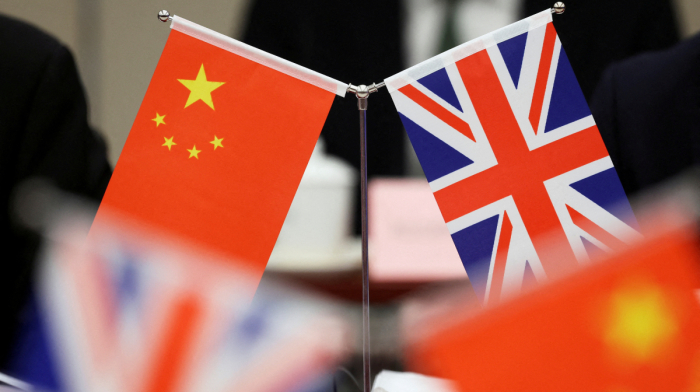
China has lodged a formal diplomatic protest with the UK after British border officials allegedly subjected Chinese travellers to lengthy questioni...
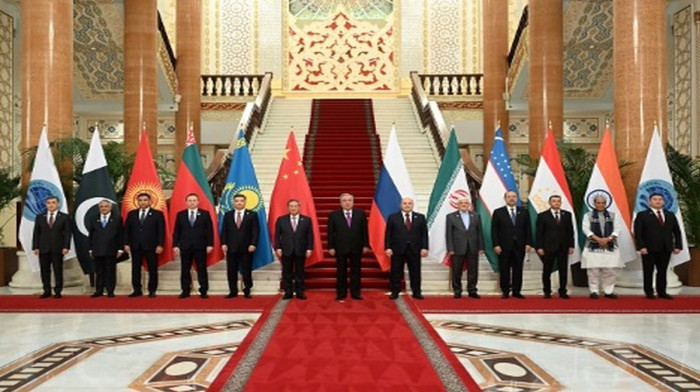
Member states of the Shanghai Cooperation Organisation (SCO) prevented 273 terrorist attacks and more than 3,000 crimes linked to terrorism, separa...
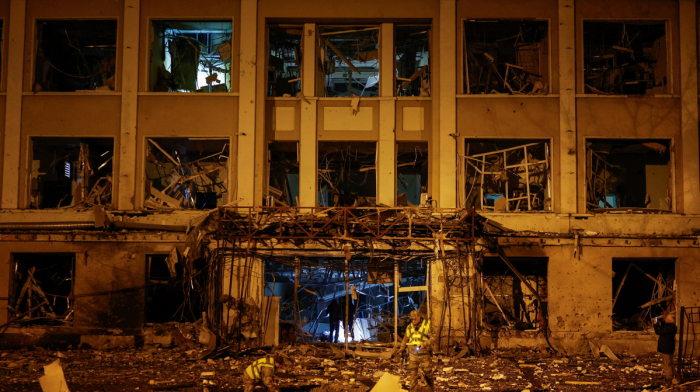
U.S. President Donald Trump has criticised Ukrainian President Volodymyr Zelenskyy for continuing to target Russia's energy infrastructure, while Russian strikes on Kyiv overnight killed at least one person and damaged a metro station.
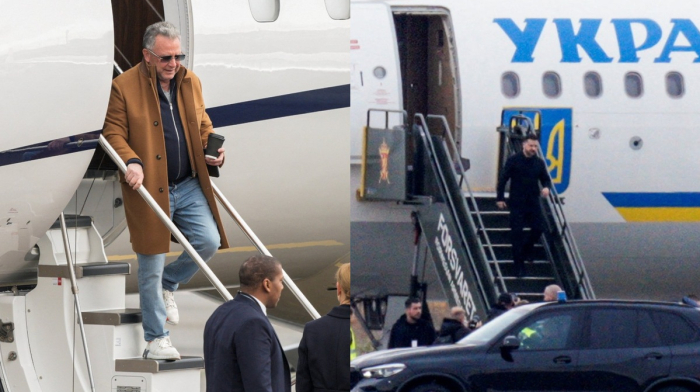
Ukrainian President Volodymyr Zelenskyy has arrived in Norway for talks about the Russia-Ukraine war. He is expected to meet with U.S. President Donald Trump's Special Envoy Steve Witkoff, who arrived in Oslo earlier. Witkoff will also meet European officials.

French President Emmanuel Macron has condemned the violence, looting and vandalism that erupted during cost-of-living protests across France. Prime Minister Sébastien Lecornu held crisis talks on Monday, calling for partial curfews and raising the possibility of a state of emergency.
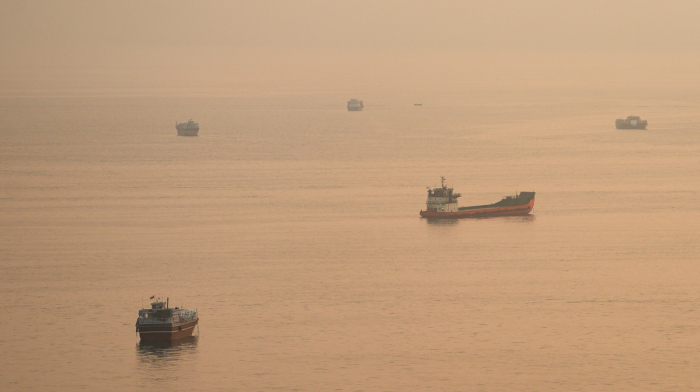
An oil tanker caught fire after striking a naval mine in the southern part of the Strait of Hormuz, Iran’s Islamic Revolutionary Guard Corps (IRGC) Navy said late Sunday.
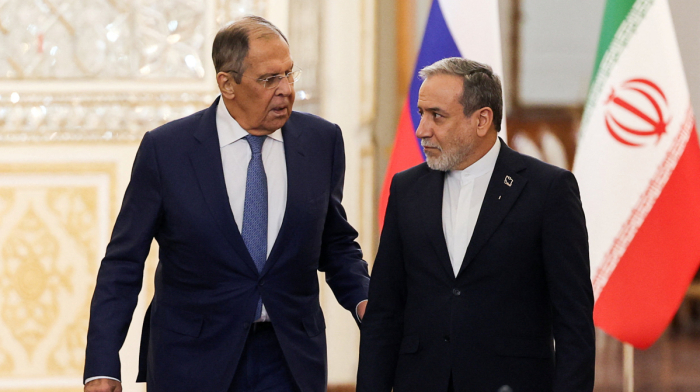
Iranian Foreign Minister Abbas Araghchi said regional issues should be resolved through diplomacy and blamed the United States for insecurity and tensions in the Strait of Hormuz, speaking at a joint news conference with Russian Foreign Minister Sergey Lavrov on Monday.
Member states of the Shanghai Cooperation Organisation (SCO) prevented 273 terrorist attacks and more than 3,000 crimes linked to terrorism, separatism and extremism in 2025, according to the bloc's regional counter-terrorism body.
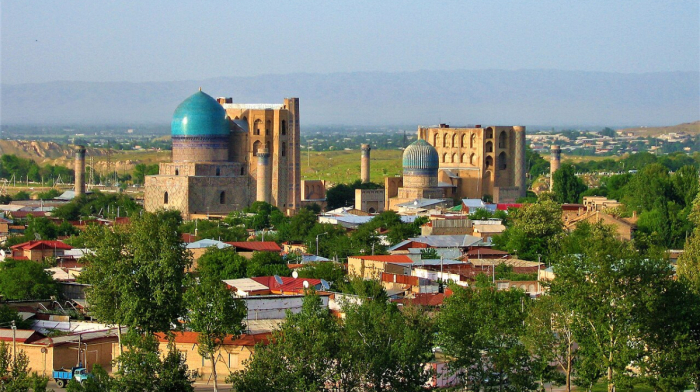
The C5+1 ministerial meeting in Samarkand has strengthened economic ties between the U.S. and Central Asia, with Uzbekistan securing 54 agreements and initiatives worth around $12 billion with U.S. companies and institutions.
Iranian Foreign Minister Abbas Araghchi said regional issues should be resolved through diplomacy and blamed the United States for insecurity and tensions in the Strait of Hormuz, speaking at a joint news conference with Russian Foreign Minister Sergey Lavrov on Monday.
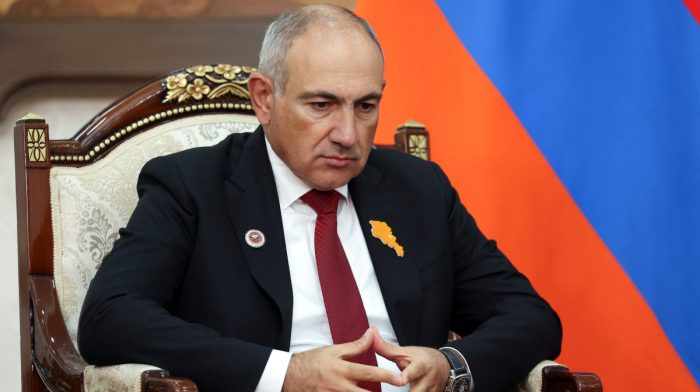
Armenia could face soaring gas prices, a sharp drop in remittances and tighter restrictions on migrant workers if its membership of the Eurasian Economic Union (EAEU) is suspended, according to a new report examining the risks of closer ties with the European Union.
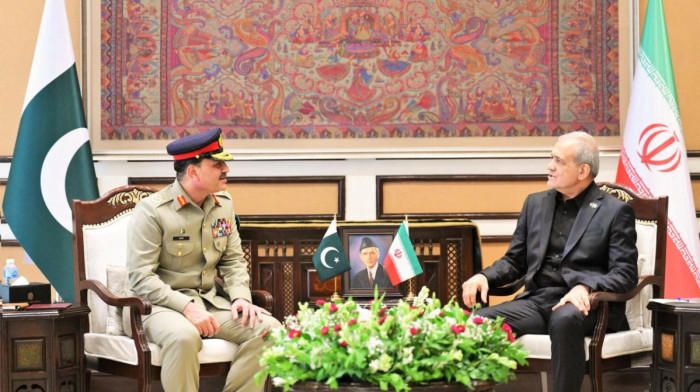
Pakistan’s military chief is heading to Iran for talks as Islamabad pushes for dialogue between Tehran and Washington, while reaffirming its defence commitment to Saudi Arabia and strengthening security ties with Qatar.
You can download the AnewZ application from Play Store and the App Store.




What is your opinion on this topic?
Leave the first comment