Türkiye, Qatar sign mutual defence pact, pledge unity
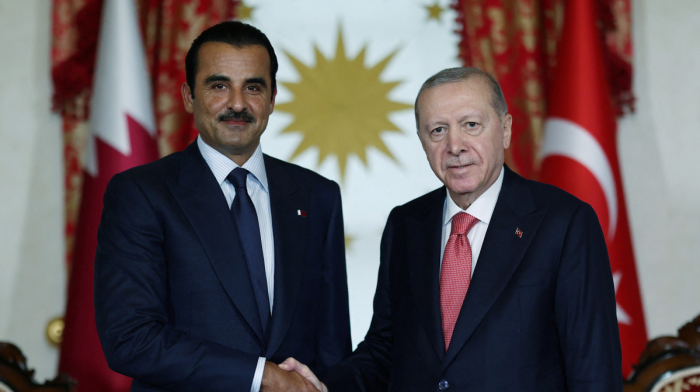
Türkiye and Qatar signed a mutual defence agreement on Friday, November 13, aimed at strengthening collective security and regional stability....
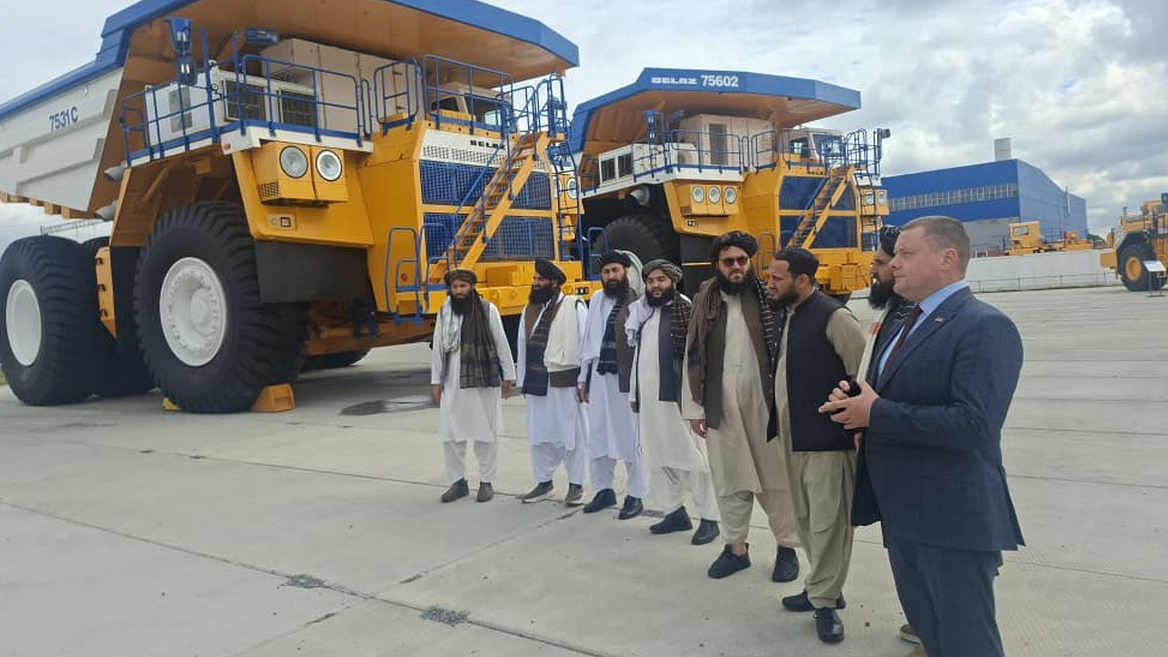
Afghanistan and Belarus have agreed to advance joint industrial projects, investment and technical cooperation following talks in Minsk, as Kabul seeks Belarusian machinery and support to develop domestic manufacturing.
A 13-member Afghan delegation led by Agriculture, Irrigation and Livestock Minister Ataullah Omari met Belarusian Agriculture and Food Minister Yury Gorlov and Deputy Industry Minister Denis Bakei, according to Afghanistan’s agriculture ministry.
The ministry said Belarus had signalled support for closer industrial ties. “The Belarusian Deputy Minister of Industry expressed readiness to expand cooperation and assured the Afghan delegation of his country’s support for strengthening industrial and trade relations with Afghanistan.”
The talks focused on the local production and assembly of agricultural and industrial machinery, packaging factories, chemical fertilisers, dairy and food processing, as well as potential Belarusian investment in Afghanistan’s mining, oil and pharmaceutical sectors.
The ministry said the two sides also discussed banking and money-transfer mechanisms and agreed to establish a joint working group, led by deputy ministers, to follow up on commitments. It said the joint commission would meet annually.
The discussions form part of Afghanistan’s push to attract foreign investment and expand exports, while Belarus is exploring opportunities to supply machinery and develop joint production.
During the visit, Omari’s delegation toured the BelAZ factory in Minsk, where it received a briefing on dump trucks, excavators, rollers and other heavy equipment.
The ministry said the machinery could be used in Afghanistan’s mining, construction and infrastructure sectors. “Both sides expressed readiness to expand cooperation in these areas.”
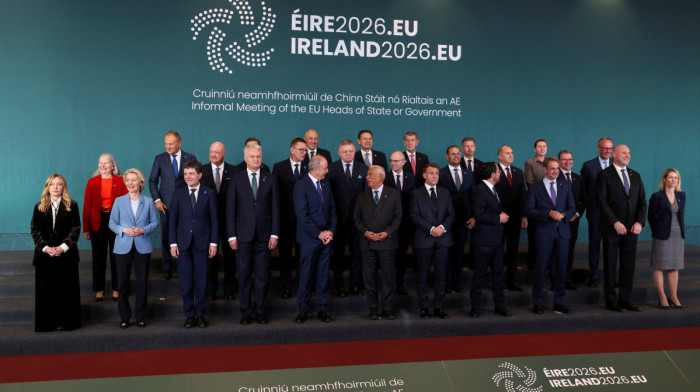
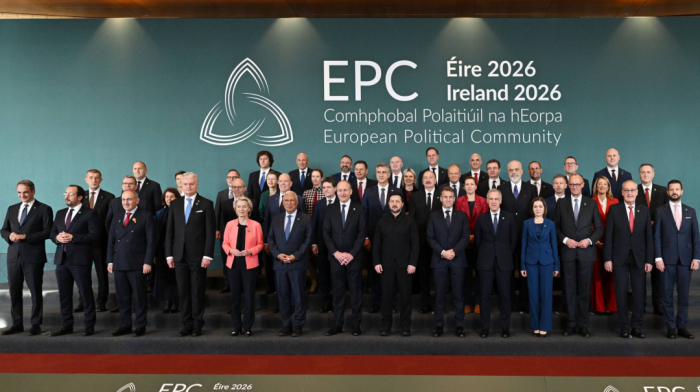
European leaders gathered in Dublin on Thursday, 12 November, for the ninth European Political Community (EPC) summit, with security, defence and energy high on the agenda. Azerbaijani President Ilham Aliyev held talks focused on peace, trade and regional cooperation.
Nvidia chief executive Jensen Huang is stepping down amid reports linking him to a woman suspected by U.S. authorities of spying for China, throwing the future of the $4 trillion chipmaker into uncertainty.
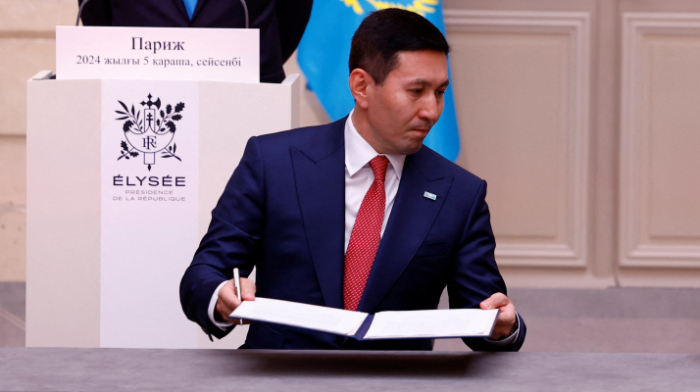
Kazakhstan’s security service has arrested Nurlan Zhakupov, CEO of Samruk-Kazyna, the country’s sovereign wealth fund, on suspicion of corruption. Yelzhas Otynshiyev, Chairman of KTZ, Kazakhstan’s national railway firm has also been detained.
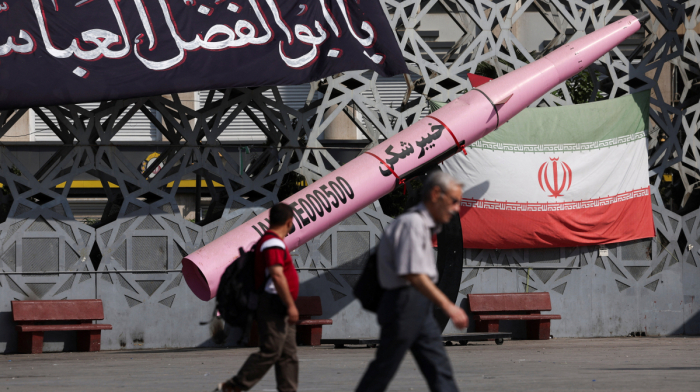
Iran’s Assembly of Experts has backed withdrawing from the Nuclear Non-Proliferation Treaty (NPT) and overhauling the country’s defence doctrine, calling both steps essential to national security and deterrence.
Eight people have been killed and at least 17 injured after an apartment building collapsed into a neighbouring construction site in Brooklyn, New York, as rescuers continued searching the rubble for possible survivors.
Türkiye and Qatar signed a mutual defence agreement on Friday, November 13, aimed at strengthening collective security and regional stability. The two countries pledged to take a united stance against any external armed attack on either nation.
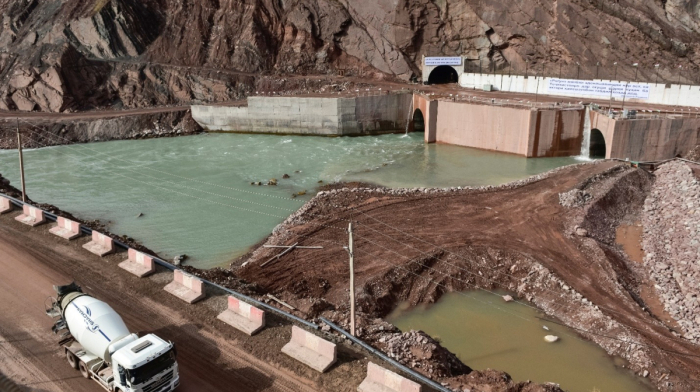
As Central Asia expands its hydropower infrastructure and high-rise construction, seismologists are examining whether large mountain reservoirs could influence earthquake activity. The question is particularly pressing in a region where major cities lie close to active tectonic faults.
As artificial intelligence (AI) becomes part of everyday life, languages with smaller speaker communities risk being left behind. Georgian, spoken by around four million people worldwide, is facing a digital challenge: making sure it is understood by the machines shaping how the world communicates.
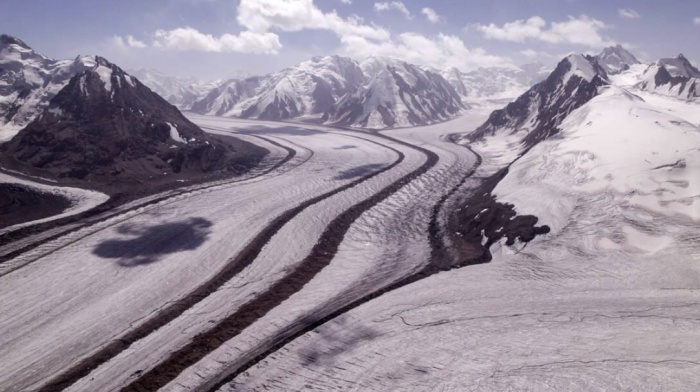
Tajikistan has urged the international community to increase funding to protect shrinking glaciers and help mountain communities adapt to climate change at the COP31 UN climate summit in Antalya, Türkiye.
Melting glaciers, recurring droughts and dust storms are putting growing pressure on Central Asia’s water resources, agriculture and public health.
You can download the AnewZ application from Play Store and the App Store.
What is your opinion on this topic?
Leave the first comment