Iran says it has delivered on its promise of a “faster, heavier and more painful” response to Washington, striking U.S. bases, warships and commercial vessels early on Wednesday.
Iran targets U.S. interests
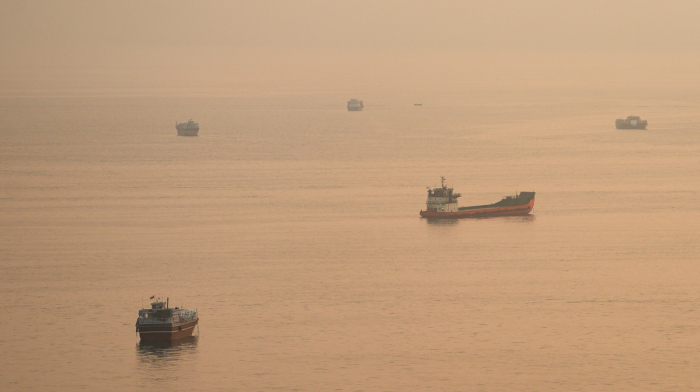
Tehran said its forces struck U.S. bases and interests, including Al-Azraq airbase in Jordan, two U.S. destroyers carrying cruise missiles and two U.S. commercial vessels in the Persian Gulf.
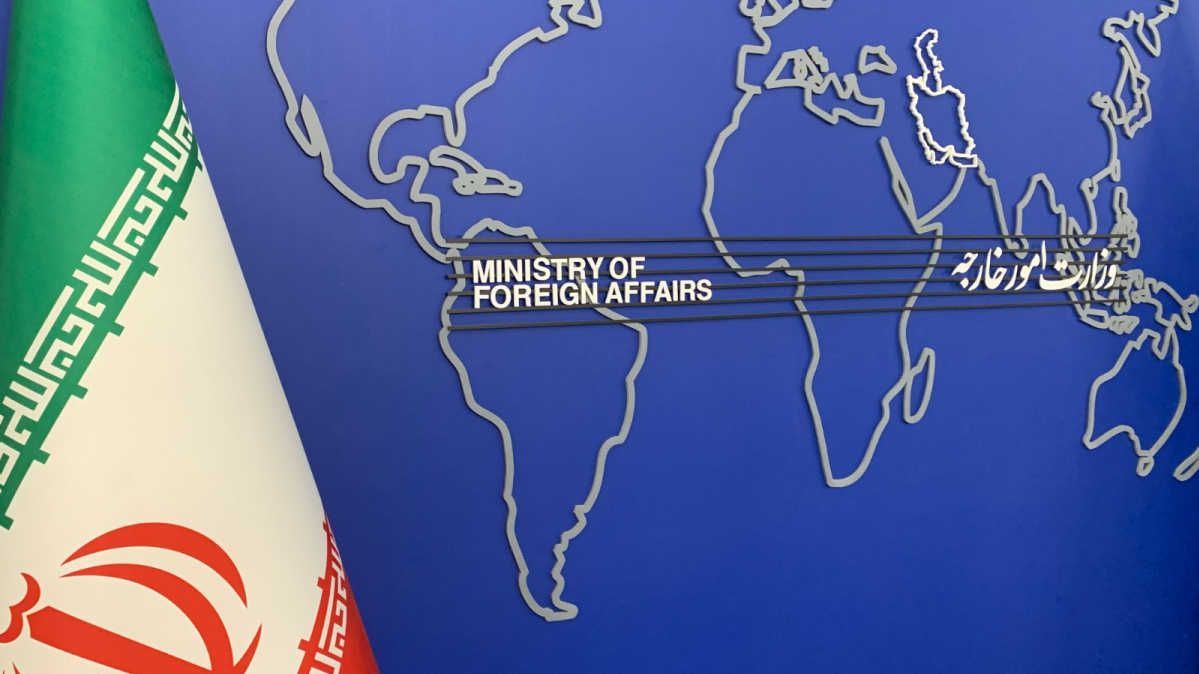
Meanwhile, Iran’s Ministry of Foreign Affairs strongly condemned U.S. attacks on five Iranian oil tankers on Tuesday, stressing that the country’s armed forces would not hesitate to exercise their “inherent right of self-defense”.
Iran’s Islamic Revolutionary Guard Corps (IRGC) said its naval and aerospace forces targeted multiple U.S. bases and interests across the region early on Wednesday in retaliation for attacks on Iranian tankers in the Strait of Hormuz.
In the biggest wave of attacks on shipping by both sides since the Israeli-U.S. war against Iran began in February, the IRGC said its navy targeted two U.S. vessels and eight oil tankers in the Persian Gulf.
According to Sepah News, which published statements from the IRGC, another 10 ships attempting to pass through unsafe areas of the strait under U.S. Navy escort were also targeted.
In a separate statement, the IRGC said its aerospace force used ballistic missiles to attack two destroyers equipped with cruise and Aegis missiles in the region.
Ballistic missiles target facilities in Jordan
Beyond the maritime confrontation, the IRGC said it launched a barrage of solid and liquid-fuel ballistic missiles at maintenance hangars for U.S. fighter jets and shelters used for their deployment in Jordan.
Major General Ali Abdollahi, chief of staff of the Iranian Armed Forces, said on Tuesday that any attack on Iranian oil tankers would trigger strikes on U.S. bases across the region.
Amid renewed U.S. strikes on Iranian tankers aimed at increasing economic pressure, Tehran warned on Sunday that such attacks would be met with a “faster, heavier and more painful” response.
Foreign ministry condemns tanker attacks
Iran’s Ministry of Foreign Affairs strongly condemned the U.S. attacks on Iranian oil tankers in a statement issued on Wednesday.
“The U.S. military assault on Iranian commercial vessels in the Persian Gulf and the Gulf of Oman, as a continuation of the U.S. military aggression, naval blockade, and economic warfare by the U.S. regime against Iran, constitutes an explicit violation of the United Nations Charter and international law.”
According to state news agency IRNA, the ministry emphasised that the “aggressive actions by the United States against Iranian commercial vessels are not only a dangerous escalation of tensions in the region, but also constitute an explicit threat to regional and international peace and security”.
“Emphasizing its firm determination to defend Iran’s sovereignty and national interests against the aggressive actions of the United States, the Islamic Republic of Iran stresses that its Armed Forces will not hesitate to exercise their inherent right of self-defense and will decisively respond, as appropriate, to any military aggression by the enemy,” the statement said.
Echoes of the 1980s ‘tanker war’
Tehran and Washington are now caught in an unprecedented cycle of attacks on tankers in the strategic waterway, recalling the so-called “Tanker War” during the Iran-Iraq War in the 1980s. The latest escalation comes as the U.S. marks the 25th anniversary of the 11 September terrorist attacks this week.
At the time of the 2001 attacks, Tehran held a candlelight vigil in memory of the victims of the attacks on the World Trade Center towers in New York.
In the years that followed, Iran’s then-reformist government made overtures aimed at improving relations with the U.S., including supporting the anti-Taliban coalition in Afghanistan. Those efforts were rebuffed by the George W. Bush administration, further deepening distrust between the former allies that has persisted since Iran’s 1979 Islamic Revolution.










What is your opinion on this topic?
Leave the first comment