More than 700 primary healthcare facilities in Afghanistan have closed since 2025 following cuts to international aid, a senior UN official has warned, as rising child malnutrition puts further pressure on the country's healthcare system.
Bruno Lemarquis, the UN's Deputy Special Representative for Afghanistan, told reporters in New York on 6 November that more than 700 of the country's 1,900 primary healthcare facilities had closed, accounting for nearly 40 per cent of the system.
Humanitarian funding halves
Humanitarian funding for Afghanistan has more than halved, falling from $2 billion in 2023 to $1 billion in 2025, with just $570 million received so far in 2026, Lemarquis said.
He added that talks were under way with authorities in Kabul over how to share the financial burden of maintaining essential healthcare services.
Urging the international community to maintain its support, Lemarquis warned against abandoning the country.
“So now is not the time for the international community to turn its back on Afghanistan.”
Child malnutrition reaches critical levels
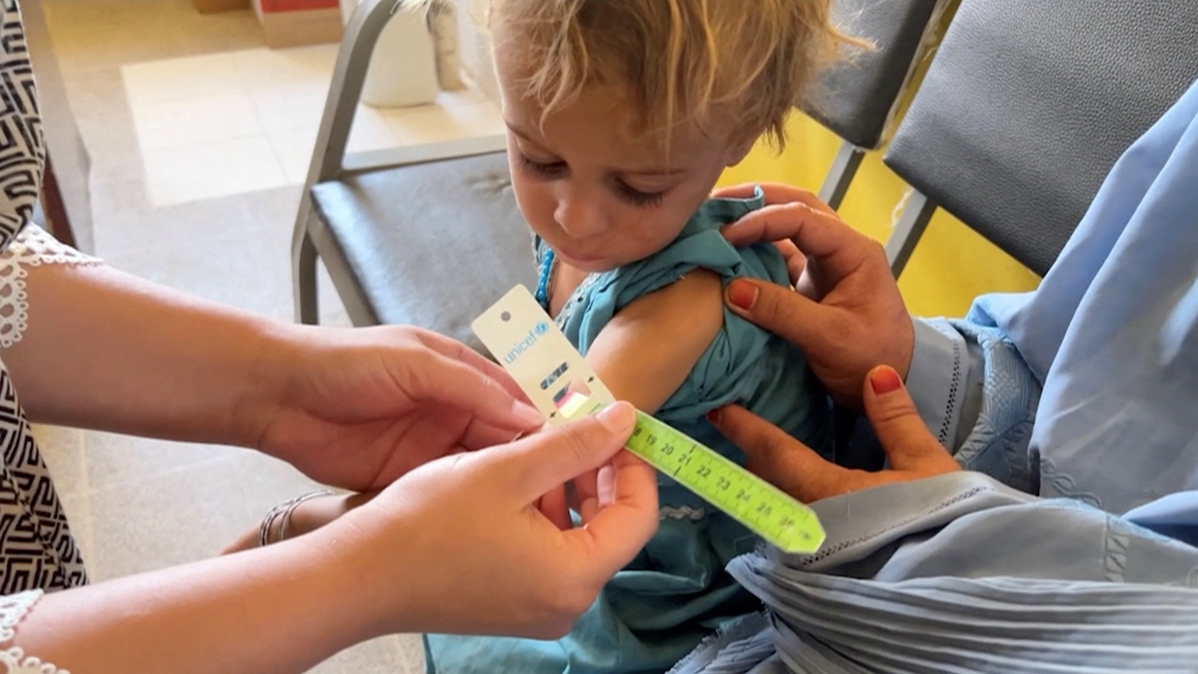
The warning comes as the United Nations Children’s Fund (UNICEF) reported a sharp rise in acute malnutrition among children under five, climbing from 9.3 per cent in the second quarter of 2026 to 12 per cent in the third quarter.
According to the report, published on Sunday, assessments involving nearly 20,000 children revealed critical levels of malnutrition in 16 of Afghanistan’s 34 provinces.
Zabul and Daykundi were among the hardest-hit provinces, with approximately one in four children assessed suffering from acute malnutrition.
UNICEF also found that 46 per cent of children surveyed faced moderate or severe food insecurity.
More than four million children could need treatment
The situation could worsen further in 2027, with UNICEF previously warning that more than four million children may need treatment for acute malnutrition, including nearly 1.1 million suffering from its most severe form.
UNICEF's Representative in Afghanistan, Dr Tajudeen Oyewale, urged greater investment in prevention and treatment, stressing the importance of acting before more children are affected.
“We know what works, and we know that early action saves lives.”
Read more:











What is your opinion on this topic?
Leave the first comment