Pakistan, Saudi Arabia and Türkiye have reaffirmed their collective defence commitments and pledged to strengthen military cooperation, as the three countries move towards establishing a joint security framework amid escalating regional tensions.
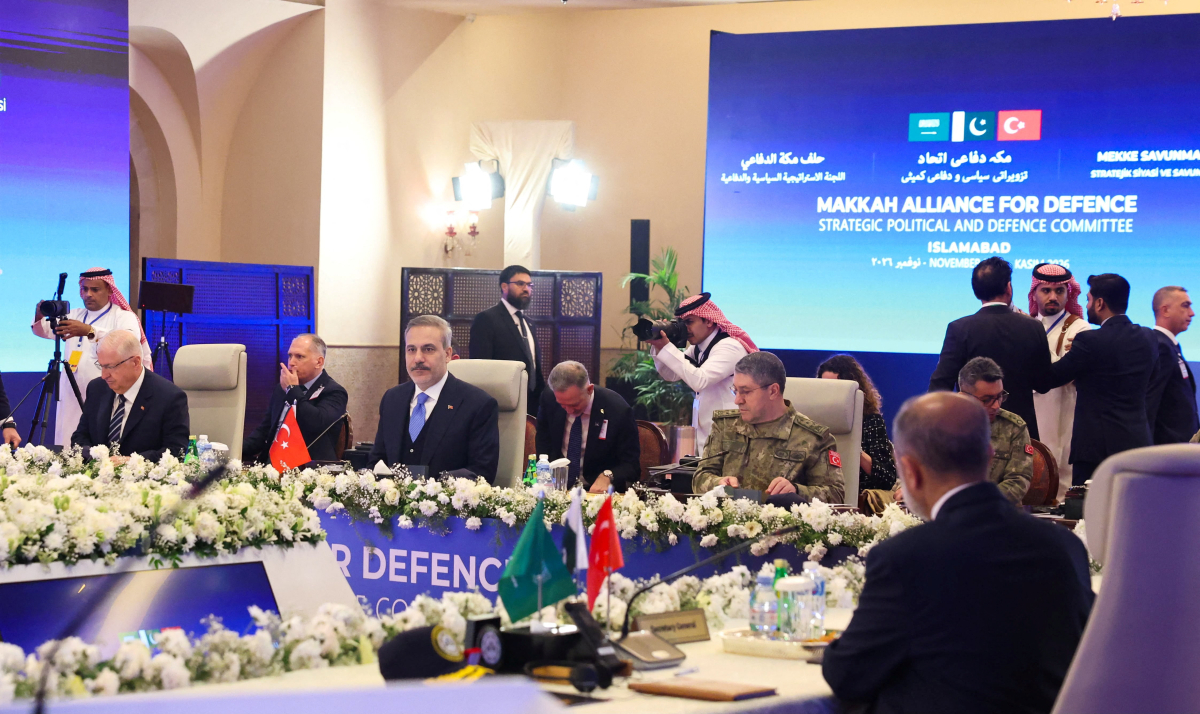
The commitments followed the second meeting of the Strategic Political and Defence Committee (SPDC) of the Mecca Alliance for Defence, hosted by Pakistan in Islamabad on Friday, 27 November.
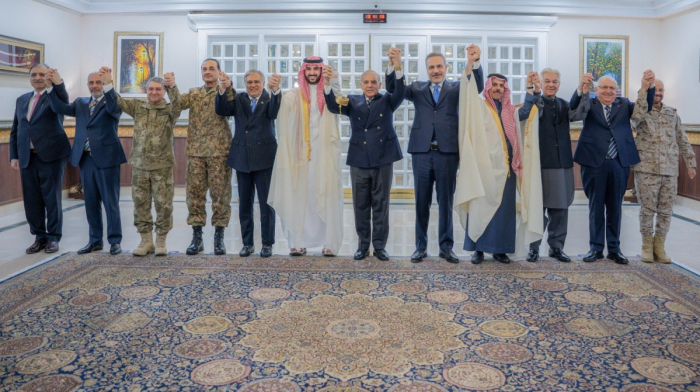
The meeting brought together the three countries' foreign ministers, defence ministers and military chiefs. Pakistan was represented by Deputy Prime Minister and Foreign Minister Ishaq Dar, Defence Minister Khawaja Asif and Chief of Defence Forces Field Marshal Asim Munir.
Pakistan, Saudi Arabia and Türkiye condemn Houthi attacks
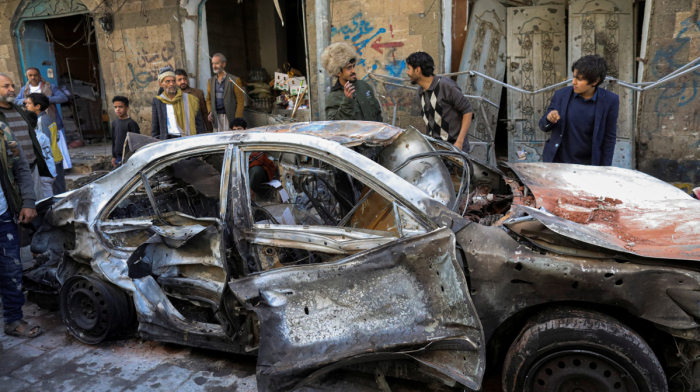
In a joint statement, the three countries specifically condemned attacks by Yemen's Houthis, also known as Ansar Allah, targeting civilians and civilian infrastructure in Saudi Arabia.
They reaffirmed their resolve to intensify support for the Kingdom in safeguarding its security, sovereignty and territorial integrity under the collective defence provisions of the agreement.
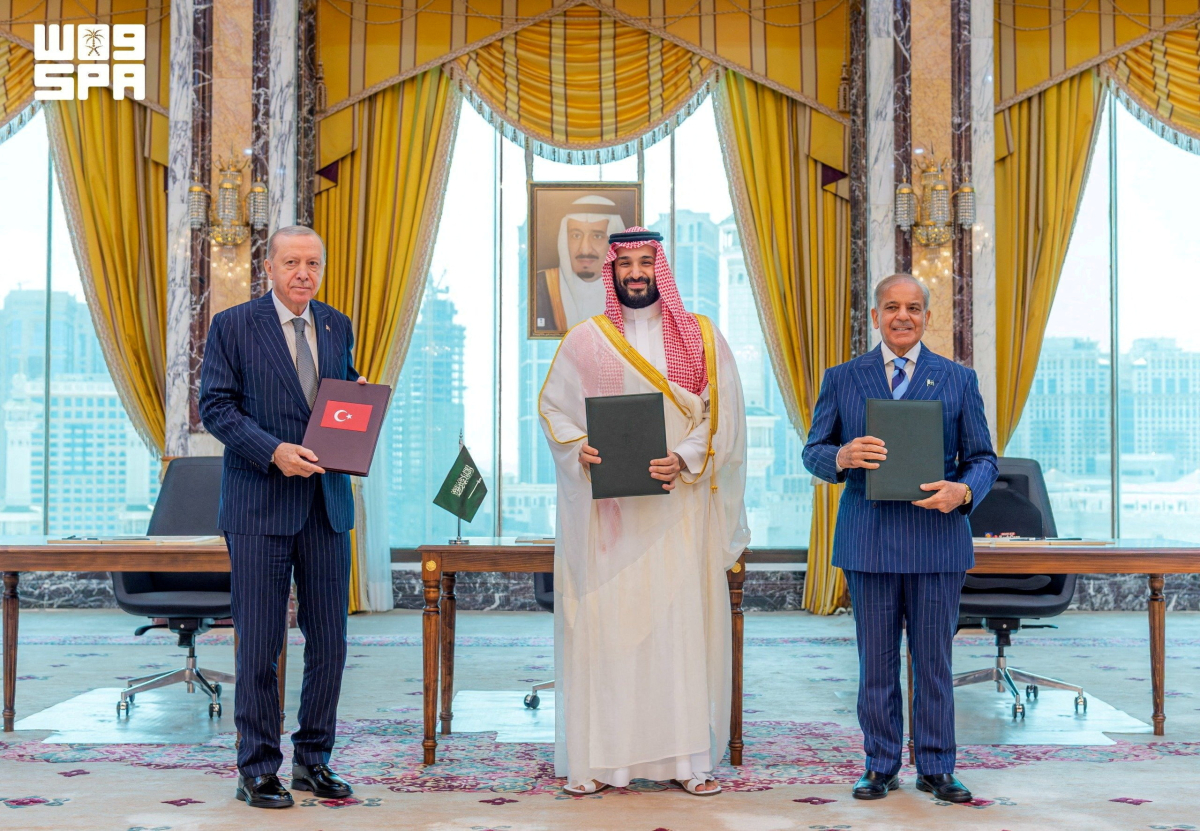
Signed on 7 August by Prime Minister Shehbaz Sharif, Saudi Crown Prince Mohammed bin Salman and Turkish President Recep Tayyip Erdoğan, the pact establishes that an armed attack against one member will be regarded as an attack against all three.
Mecca defence alliance advances military cooperation
The Islamabad meeting reviewed progress since the committee's first meeting in Istanbul on 31 August and an emergency session in Riyadh on 5 October.
The three countries welcomed progress towards operationalising the alliance's secretariat in Saudi Arabia. Pakistan's retired Lieutenant General Nauman Mahmood was appointed its first Secretary-General for an initial three-year term.
They also pledged to expand cooperation in defence industries, joint technological development, military training and capacity-building.
Pakistan's Deputy Prime Minister and Foreign Minister Ishaq Dar said the three countries would continue consultations, support efforts to ease regional tensions and encourage the peaceful resolution of disputes through dialogue and diplomacy.
Mecca alliance's future membership remains under discussion
The possibility of expanding the alliance also featured in discussions. Türkiye's Foreign Affairs Minister, Hakan Fidan said the three countries had discussed a roadmap and principles for prospective members.
Syria has publicly expressed interest in joining. Its Foreign Minister Asaad al-Shaibani said on 31 October that discussions were under way to evaluate the country's entry. Dar had earlier said more than six countries were interested, although he did not identify them.
Türkiye also completed its ratification of the agreement on Friday (27 November), after President Erdoğan formally approved it following parliamentary endorsement on 5 November.
Turning Collective Defence into Action
The Islamabad meeting announced no new military deployments, while the practical arrangements for implementing the collective defence agreement remain under development.
Although progress has been made towards establishing the alliance's institutional structure, questions remain over military command, force coordination and how a collective response would work in practice.
The next committee meeting will provide an opportunity to advance these arrangements. Ultimately, the alliance's credibility will depend on whether its three members can translate their political commitments into coordinated military action when required.
Read more:












What is your opinion on this topic?
Leave the first comment