French students march for more education funding as protests spread
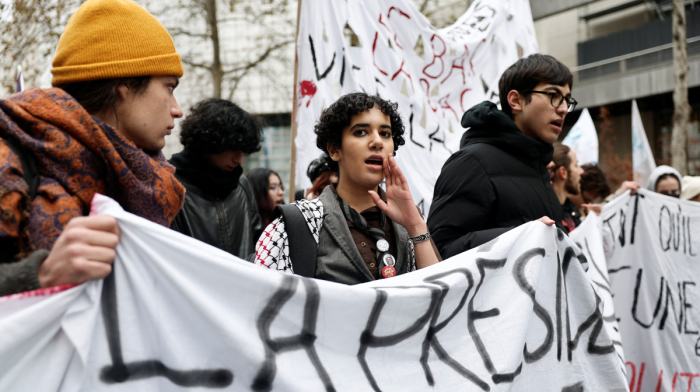
Around 2,000 people marched through Paris on Thursday (26 November), demanding more funding for schools and universities as student-led protests co...
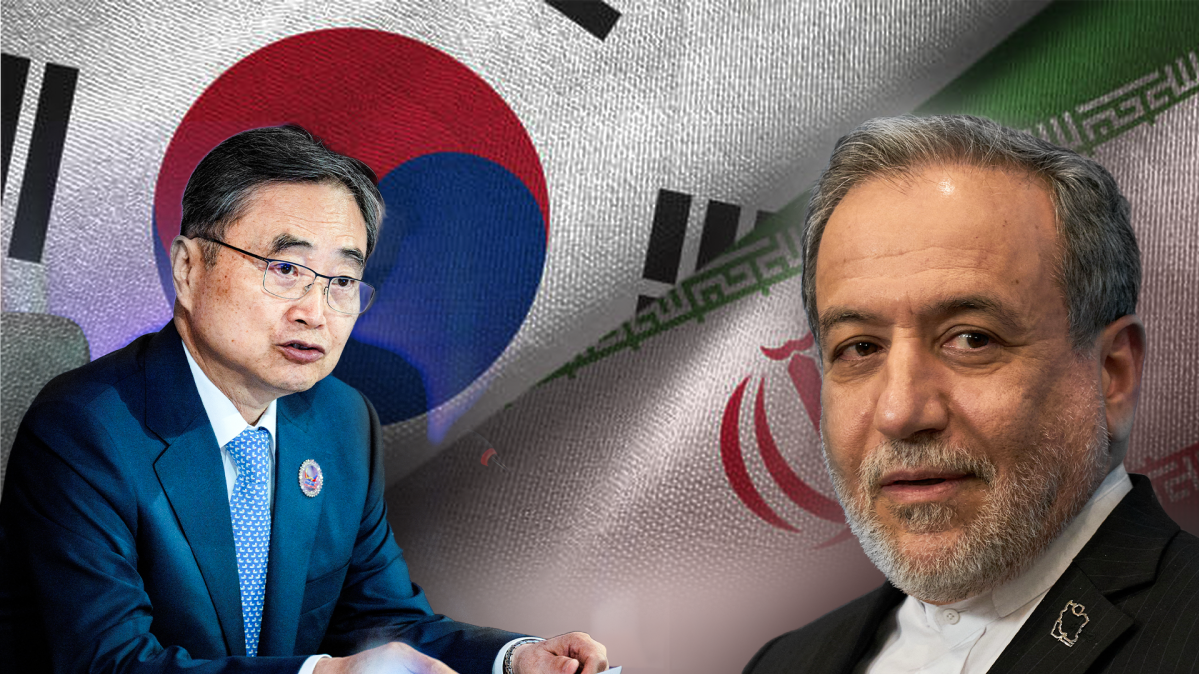
Iran has warned that the presence of foreign forces in the Gulf could escalate regional tensions as South Korea considers expanding its naval operations near the Gulf of Oman to protect commercial shipping.
Iranian Foreign Minister Abbas Araqchi spoke by phone with his South Korean counterpart, Cho Hyun, on Thursday, 26 November.
Cho reaffirmed that Seoul had no intention of joining any war or deploying troops to the Gulf, according to a statement published by the Iranian embassy in Seoul on X on Friday.
South Korea’s parliament is reviewing a government proposal to expand the operational area of its Cheonghae naval unit to include waters outside the Gulf of Oman to ensure the safe passage of commercial vessels.
The Cheonghae anti-piracy unit has been operating in the Gulf of Aden since 2009.
Araqchi said the presence of foreign militaries “would instead heighten tensions and expand the scope of conflict”, the Iranian embassy said.
South Korea’s Foreign Ministry said Cho had explained that the naval unit’s mission was to protect South Korean citizens and safeguard the country’s economic interests.
South Korea, one of the world’s largest oil and gas importers, sourced 70 per cent of its oil from the Middle East in 2025, with most shipments passing through the Strait of Hormuz, according to government data.
The Strait of Hormuz is one of the world’s most strategically important energy shipping routes, connecting the Persian Gulf with the Gulf of Oman and providing access to the Arabian Sea.
South Korea’s dependence on Middle Eastern energy imports leaves its economy particularly vulnerable to disruptions along the route.
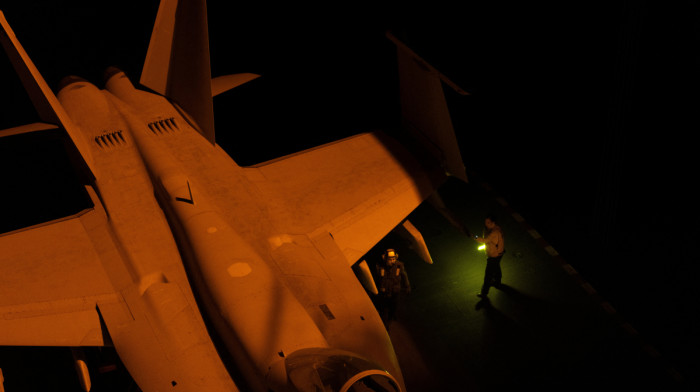
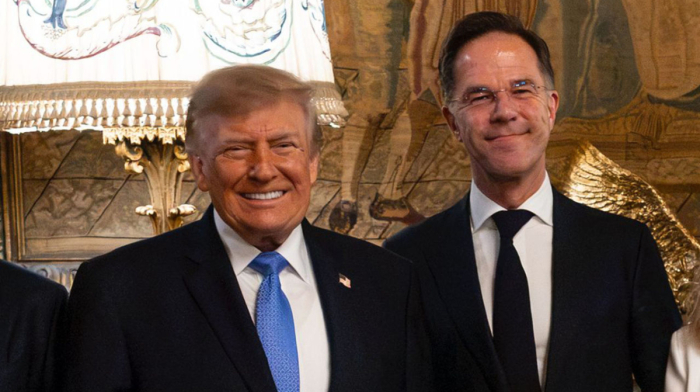
U.S. President Donald Trump and NATO Secretary General Mark Rutte urged Russia to avoid widening the war in Ukraine and called for a swift peaceful resolution during talks in Florida on Wednesday (25 November). They also discussed NATO defence spending and the war in Iran.
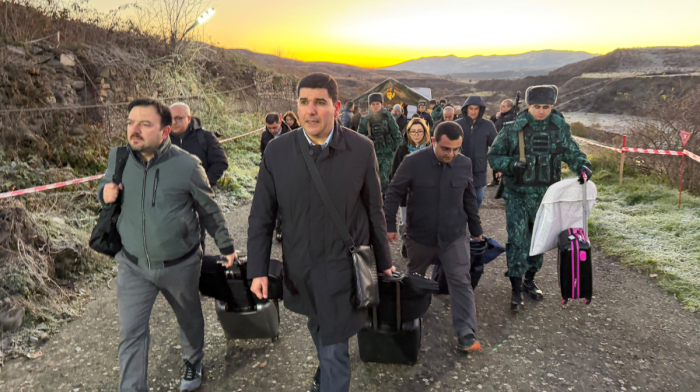
Civil society representatives from Armenia and Azerbaijan are meeting in Armenia on 26 and 27 November, in the latest round of talks aimed at building support for peace.
Here's your AnewZ Daily Brief for the 26th of November, covering the latest culture news.
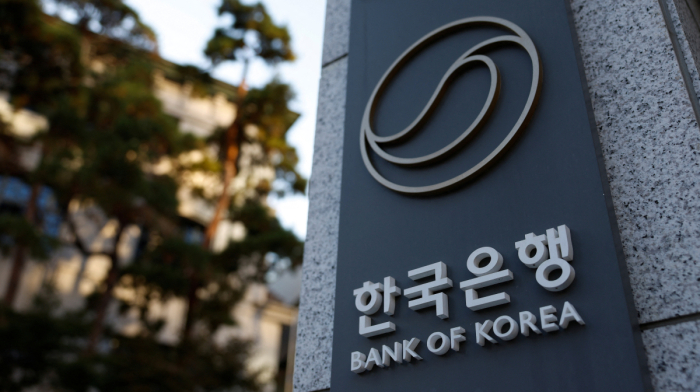
South Korea’s central bank raised its benchmark interest rate by 25 basis points to 3.25 per cent on Thursday (26 November), as persistent inflation and strong economic growth prompted further monetary tightening.
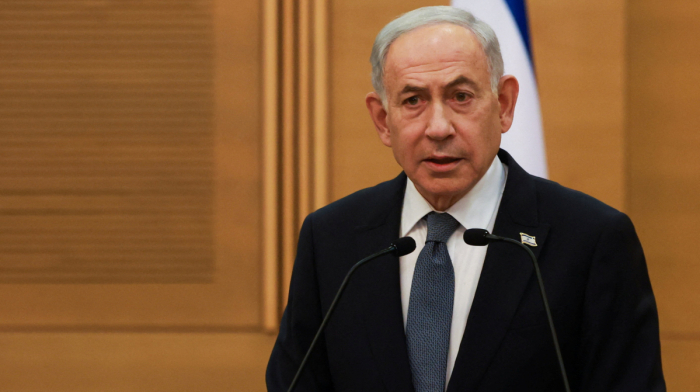
Israeli judges have recommended dropping one of the three corruption cases against Prime Minister Benjamin Netanyahu and reconsidering another, dealing a setback to prosecutors in his long-running trial.
Around 2,000 people marched through Paris on Thursday (26 November), demanding more funding for schools and universities as student-led protests continued across France.
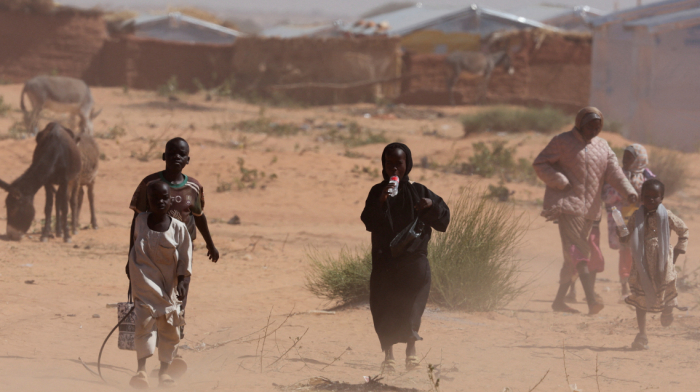
At least 14 people have been killed in attacks by the paramilitary Rapid Support Forces (RSF) across Sudan’s East Darfur and West Kordofan states, a Sudanese rights group said on Friday.
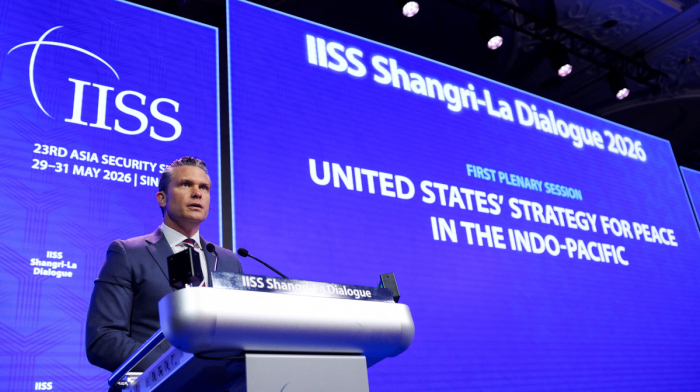
Russian sabotage incidents in Europe rose by 16 per cent in the year to September 2026, according to a report by the London-based International Institute for Strategic Studies (IISS). The report found that operatives are becoming more skilled and adopting increasingly sophisticated methods.
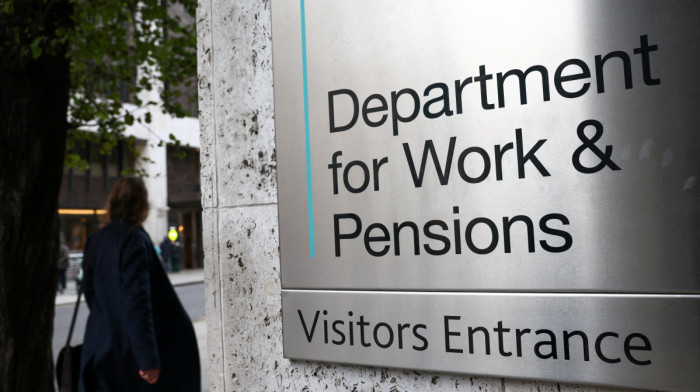
Britain’s Department for Work and Pensions (DWP) has taken some services offline following a cyber attack, saying on Friday (27 November) that the move was precautionary and that it hoped to restore services soon.
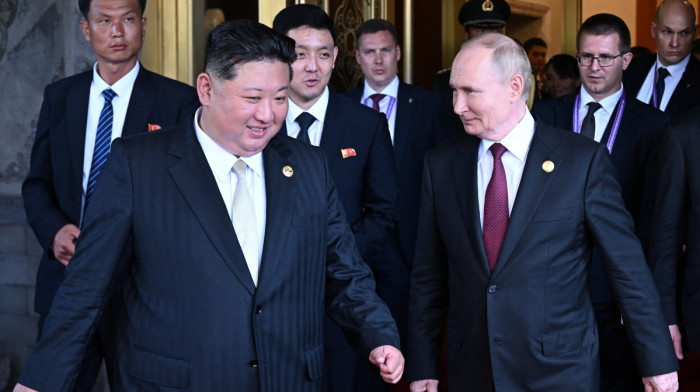
North Korea has temporarily suspended military support for Russia following a diplomatic dispute over Moscow’s approach to South Korea, Ukraine’s military intelligence (HUR) said on 26 November.
You can download the AnewZ application from Play Store and the App Store.
What is your opinion on this topic?
Leave the first comment