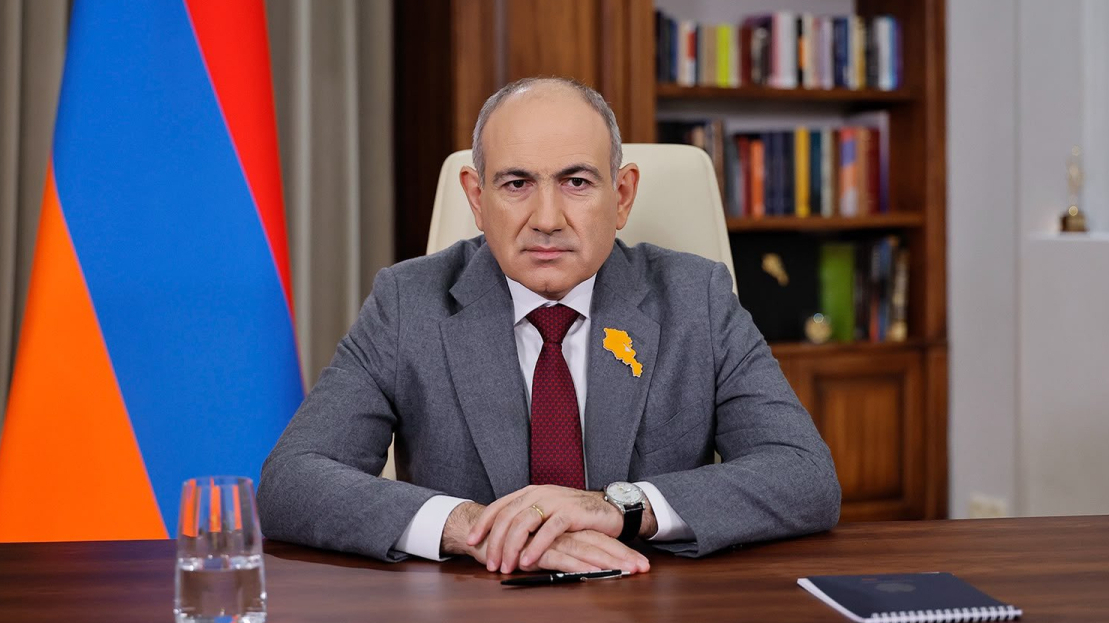
Armenian Prime Minister Nikol Pashinyan has described the country's parliamentary opposition as the final obstacle to securing peace with Azerbaijan, urging opposition lawmakers to support a referendum on a new constitution.
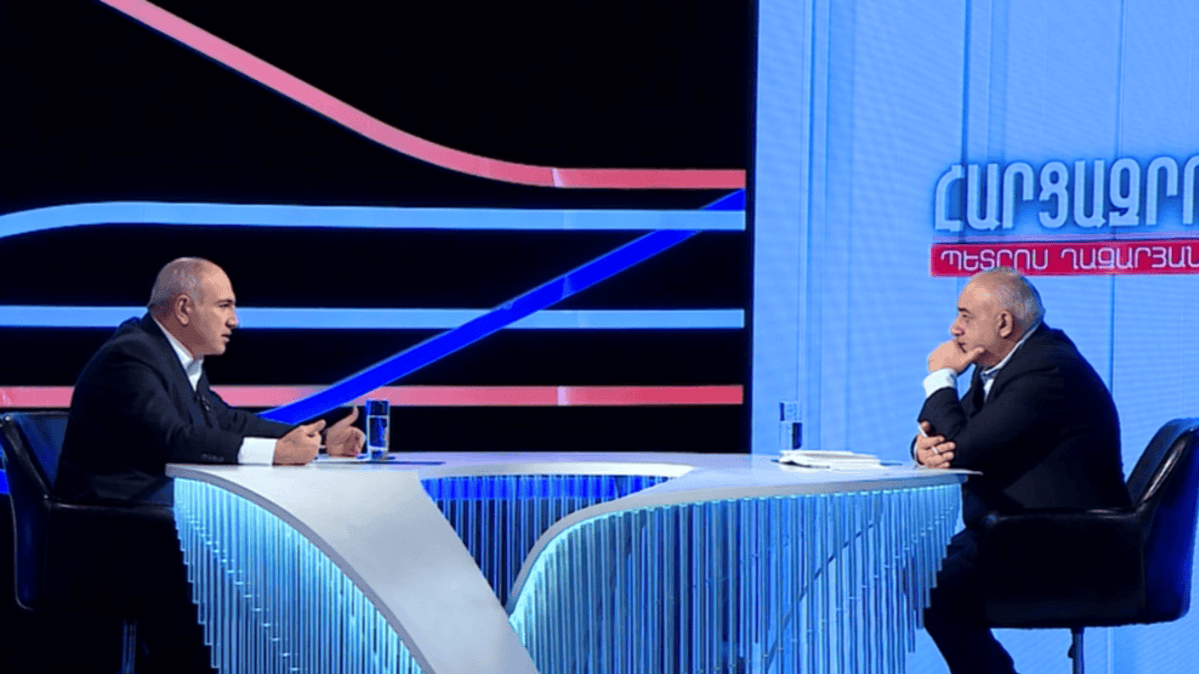
Speaking in an excerpt from an interview with Armenian Public Television, released on his official Telegram channel on Sunday (29 November), Pashinyan expressed confidence that opposition lawmakers would support holding the referendum.
His remarks come six days after he confirmed that his ruling Civil Contract faction was six parliamentary votes short of the majority required to put the draft constitution to a public vote.
“Today, the parliamentary opposition is the final obstacle on our path to peace, and they should vote in favour of holding a referendum,” Pashinyan said.
Asked what would happen if opposition lawmakers refused to support the referendum, the prime minister twice insisted that they would vote in favour.
He also ruled out the possibility of Azerbaijan introducing further preconditions following the referendum and stressed the importance of transforming Armenia into a state governed by strong institutions.
Six votes stand between Armenia and a referendum
Under Article 202 of Armenia's constitution, putting a new constitution to a referendum requires the support of at least two-thirds of all members of the National Assembly.
In an official address on 23 November, Pashinyan offered to resign if Armenian voters rejected the new constitution.
Should voters approve it, he pledged not to stand as a candidate for prime minister in the next parliamentary elections, whether regular or early.
Pashinyan said he would instead dedicate his remaining time in office to finalising the peace process with Azerbaijan.
Pashinyan said Article 8 of the draft constitution defines ensuring peace as the objective of Armenia's foreign policy. He described this as a departure from what he called the “logic of conflict” underpinning the country's 1990 Declaration of Independence.
Why constitutional reform matters to Azerbaijan
Azerbaijan has consistently maintained that removing constitutional provisions it regards as territorial claims against the country is a prerequisite for signing the peace agreement.
On 13 March 2025, Azerbaijan's Ministry of Foreign Affairs confirmed the conclusion of negotiations on the draft peace agreement while reiterating its position on Armenian constitutional reform.
The existing Armenian constitution's preamble references the 1990 Declaration of Independence, which in turn refers to a 1989 decision concerning the unification of Armenia and Nagorno-Garabagh.
The peace agreement initialled in Washington on 8 August 2025 establishes mutual recognition of sovereignty, territorial integrity and internationally recognised borders.
Article II of the agreement commits both countries to renouncing territorial claims against each other, including any future claims.
Azerbaijan's other longstanding requirement, the dissolution of the OSCE Minsk Process and its related structures, was addressed through an OSCE Ministerial Council decision on 1 September 2025.
Beyond diplomacy: 105,000 tonnes of cargo
Despite the outstanding constitutional issue, Azerbaijan and Armenia have already recorded tangible progress in economic cooperation and regional connectivity.
During their most recent meeting in Dublin on 12 November, Azerbaijani President Ilham Aliyev and Pashinyan reviewed progress towards implementing the Washington agreements.
According to Azerbaijan's presidential office, 105,000 tonnes of cargo had been transported to Armenia through Azerbaijani territory since November 2025.
The two leaders also discussed railway and highway development under the Trump Route for International Peace and Prosperity (TRIPP), the planned interconnection of their electricity grids and the further expansion of bilateral economic and trade relations. Talks also covered cooperation on transboundary rivers and environmental issues.
Azerbaijan has also begun exporting petroleum products to Armenia, while facilitating the transit of grain and other goods from third countries.
These developments have established practical economic ties between the two countries as efforts continue towards the signing and ratification of their peace agreement.















What is your opinion on this topic?
Leave the first comment