Central Asian foreign ministers have marked 20 years since a landmark nuclear-free treaty, reaffirming their commitment to regional security, nuclear non-proliferation and disarmament.
Treaty marks two decades
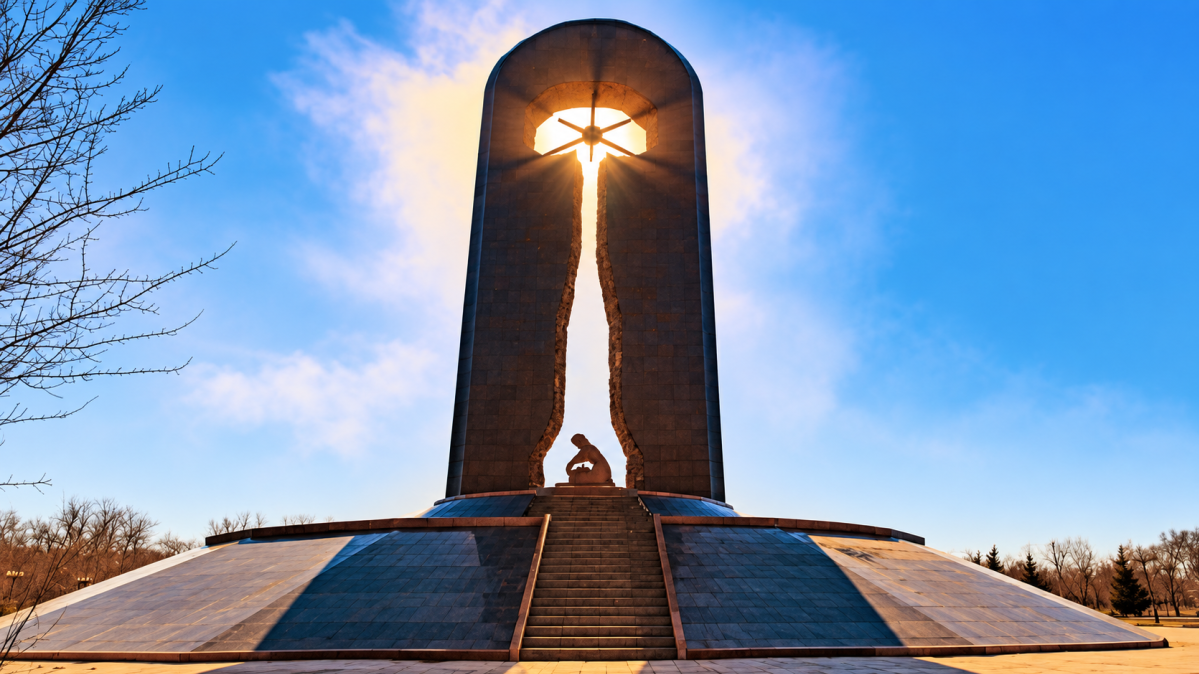
The Treaty on a Nuclear-Weapon-Free Zone in Central Asia was signed by Kazakhstan, Kyrgyzstan, Tajikistan, Turkmenistan and Uzbekistan on 8 September 2006 in the Kazakh city of Semipalatinsk. The city served as a nuclear weapons testing ground for the Soviet Union.
Marking the 20th anniversary of the agreement, the five countries reaffirmed their commitment to what they described as a historically significant treaty.
According to Kazakhstan’s Ministry of Foreign Affairs, the agreement became the first and only treaty to establish a nuclear-weapon-free zone located entirely in the Northern Hemisphere while also bordering two nuclear-weapon states, China and Russia.
The joint statement highlighted the treaty’s continued importance in strengthening nuclear non-proliferation and disarmament efforts, bolstering regional and international security, and promoting the peaceful use of atomic energy.
Central Asia stresses unity
The foreign ministers said the anniversary offered an opportunity to reaffirm the unity of the five Central Asian states on regional security issues.
The statement also addressed wider issues on the global disarmament agenda.
These included the outcomes of the Eleventh Review Conference of the Treaty on the Non-Proliferation of Nuclear Weapons, also known as the NPT, as well as the status of the Comprehensive Nuclear-Test-Ban Treaty.
The ministers also highlighted the ratification of the Protocol on Negative Security Assurances and the prospects for greater cooperation with other existing and emerging nuclear-weapon-free zones.
The five countries said their continued coordination demonstrated the region’s contribution to wider international efforts on nuclear non-proliferation, disarmament and global security.
Read more:
















What is your opinion on this topic?
Leave the first comment