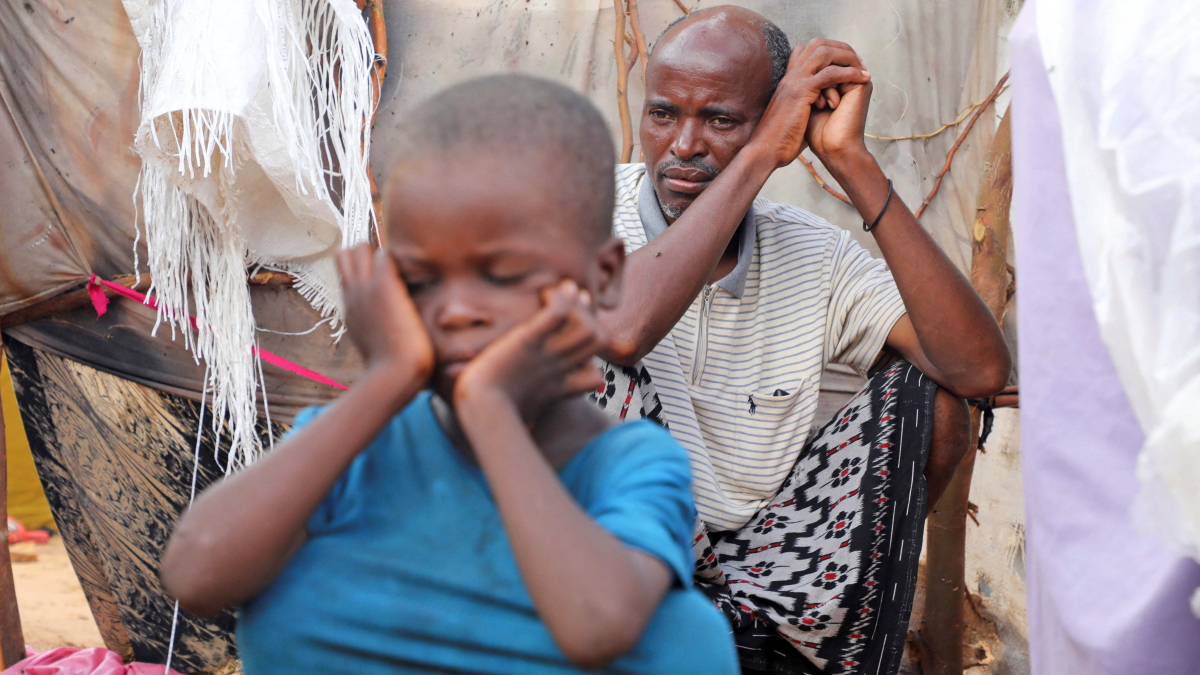
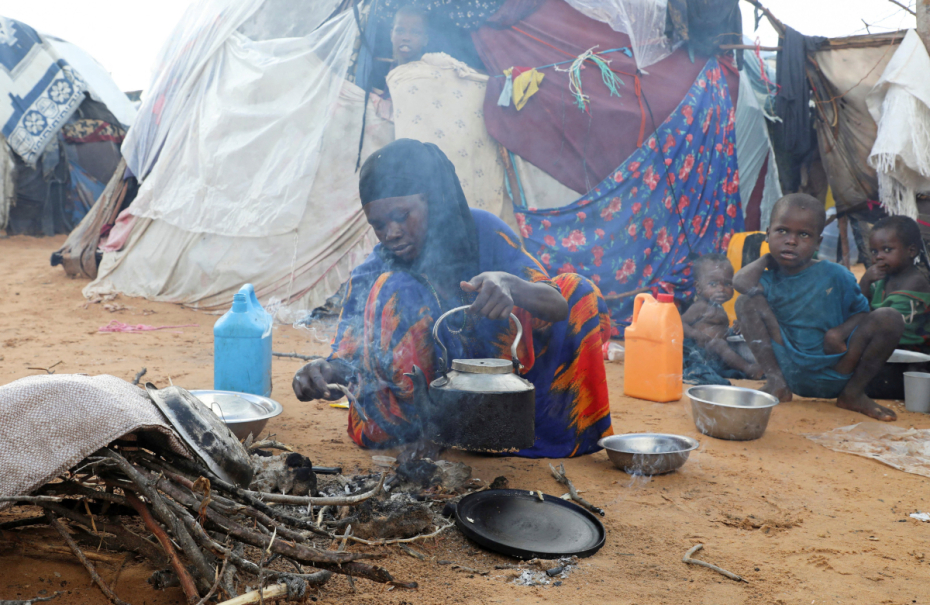
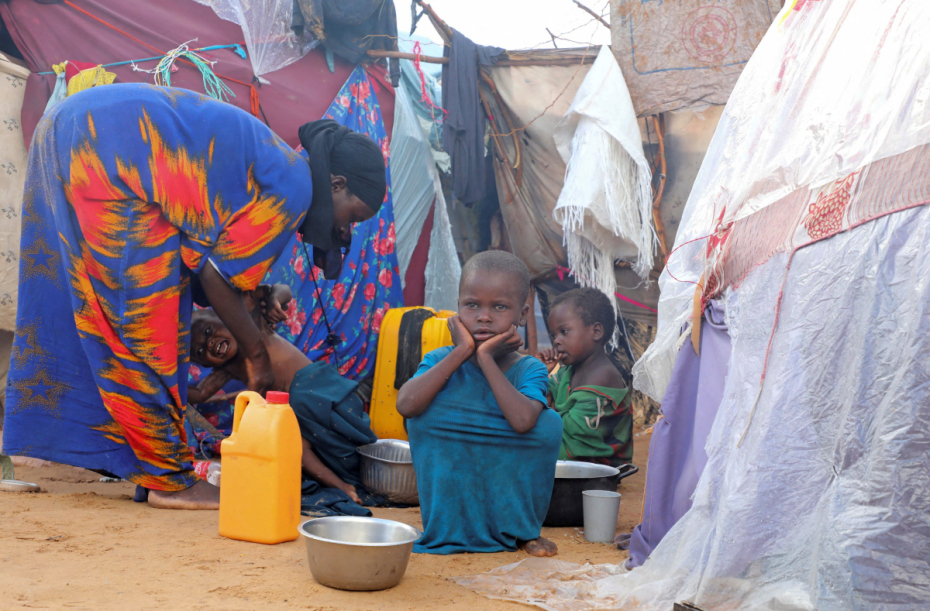
Somalia is facing a severe malnutrition crisis and urgently needs additional humanitarian funding to prevent conditions deteriorating further, the World Food Programme has warned.
Around six million people in Somalia - nearly one in three of the population - are currently experiencing acute hunger, while 1.9 million children are acutely malnourished, according to the agency.
The World Food Programme (WFP) said it may be forced to suspend humanitarian assistance from July if new funding is not secured. The agency has already been compelled to significantly scale back its operations, reducing the number of people it can support from two million to around 500,000.
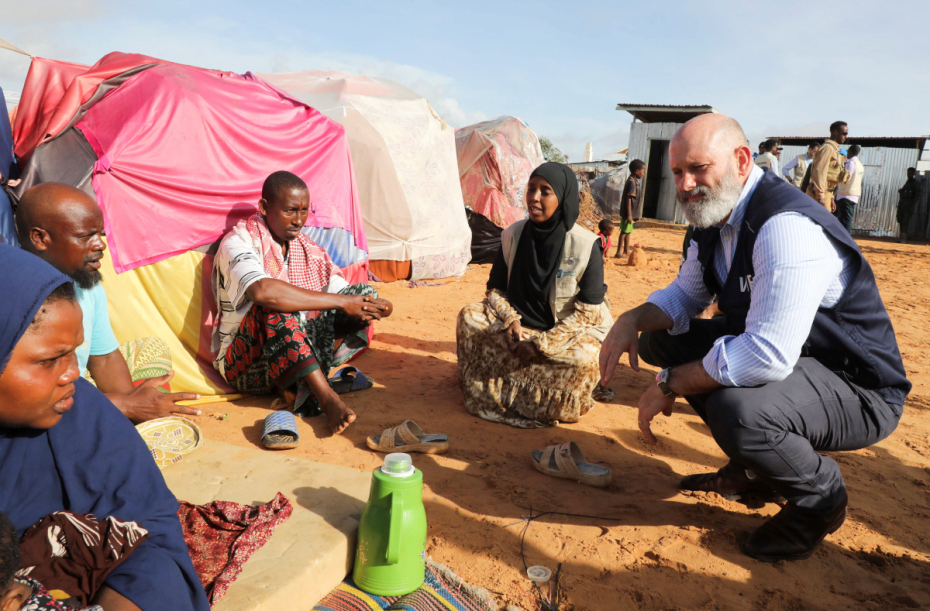
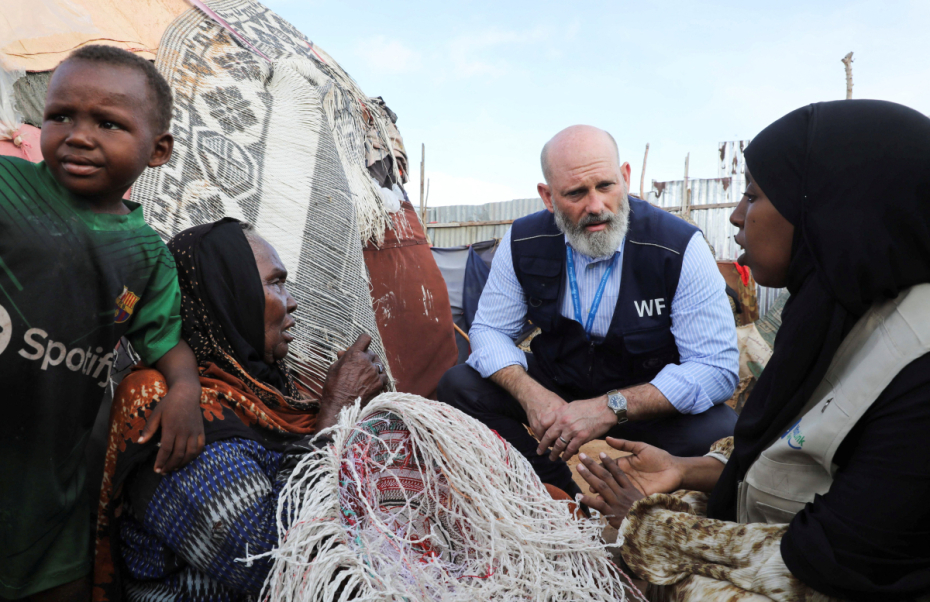
Matthew Hollingworth, WFP Assistant Executive Director for Programme Operations, said Somalia is facing one of the world’s most severe malnutrition emergencies.
“Somalia faces a really severe malnutrition crisis and is one of the biggest malnutrition hotspots in the world,” he said, speaking to reporters in Geneva via video link from Rome.
Drought, conflict and insecurity worsening conditions
The crisis has been driven by multiple failed rainy seasons, which have devastated crops and livestock, alongside ongoing conflict and insecurity.
Somalia continues to face overlapping security challenges, including a long-running Islamist insurgency by Al-Shabaab, as well as political tensions between the federal government in Mogadishu and regional authorities.
Humanitarian agencies warn that the combination of climate shocks and instability is pushing vulnerable communities into increasingly dangerous levels of food insecurity.
Funding cuts limit humanitarian response
Aid agencies say the situation is now more difficult than during the 2022 drought emergency, when Somalia was on the brink of famine but large-scale international assistance helped avert the worst outcomes.
This time, however, humanitarian organisations are facing severe funding shortages, limiting their ability to respond at scale. The WFP has warned that without urgent financial support, life-saving operations could be forced to shut down.
Supply chain disruptions worsening shortages
The humanitarian response is also being affected by global supply chain disruptions, including delays of up to 40 days in the delivery of ready-to-use therapeutic food used to treat severe malnutrition.
Hollingworth said these disruptions, combined with reduced funding, are severely constraining emergency food assistance programmes.
The WFP has urged international donors to step up support to prevent further deterioration of the crisis. Without immediate intervention, aid agencies warn that millions more people could face extreme hunger in the coming months, deepening an already critical humanitarian emergency in Somalia.


















What is your opinion on this topic?
Leave the first comment