The Ebola outbreak in eastern Democratic Republic of the Congo is "outpacing containment efforts" amid conflict, weak disease surveillance and limited access to healthcare, according to London-based pharmacist and health commentator Thorrun Govind.
Speaking to AnewZ's Guy Shone, Govind said the crisis is being driven not only by the severity of the virus but also by deep-rooted structural challenges, including insecurity, displacement and mistrust of health authorities.
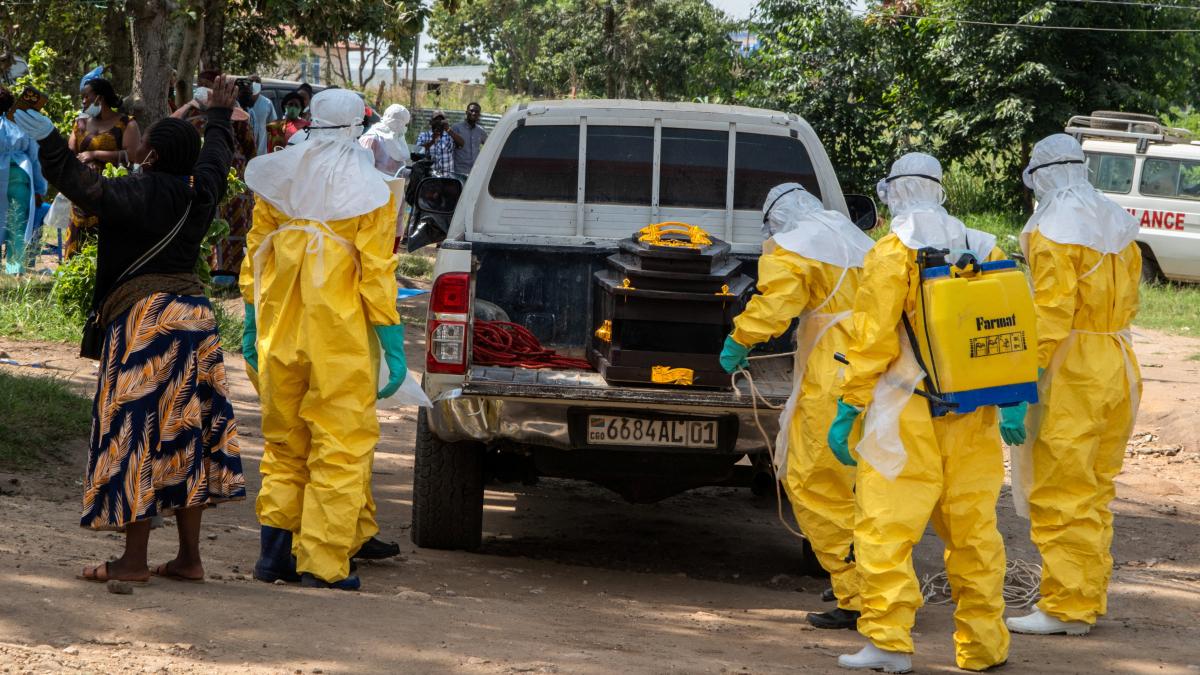
Her comments come after the World Health Organization (WHO) reported on 29 May that there were 906 suspected Ebola cases in the Democratic Republic of the Congo (DRC), including 223 suspected deaths under investigation. The outbreak, involving the rare Bundibugyo strain, has also spread to neighbouring Uganda, where new cases continue to emerge.
Conflict and delayed detection
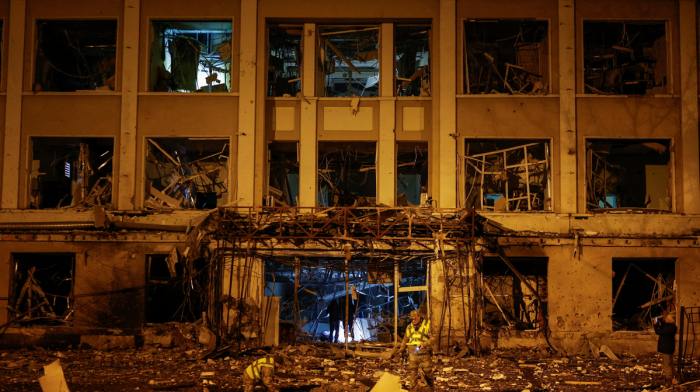
Govind said one of the most significant challenges is that the outbreak is unfolding in an active conflict zone, where humanitarian access is severely restricted and healthcare infrastructure remains fragile.
"Infrastructure, access and insecurity are key barriers," she said, noting that surveillance and contact-tracing systems are under severe strain, making it difficult to map transmission chains in real time.
Health authorities have warned that delayed detection and limited testing capacity allowed the outbreak to spread undetected for weeks across densely populated areas of eastern Congo, complicating efforts to contain it.
Fatality rate and vaccine protection
The Bundibugyo strain of Ebola has a reported fatality rate of between 30% and 50% among confirmed cases, according to WHO estimates, making early detection and supportive care critical.
Govind emphasised that, in the absence of an approved vaccine or virus-specific treatment, response efforts rely heavily on supportive medical care, including intravenous fluids and electrolyte management.
"It is a severe and deadly virus," she said, adding that treatment outcomes depend heavily on how quickly patients can access care.
WHO officials have said testing capacity is being expanded, while efforts continue to clear backlogs of suspected cases to better understand the true scale of the outbreak.
Cross-border risks
The outbreak has now been confirmed in Uganda, with several cases linked to cross-border movement from the DRC. While no sustained community transmission has been reported in Uganda, health authorities remain on alert.
Govind warned that population movement, displacement and overcrowding significantly increase the risk of wider regional spread.
Geographical spread remains one of the primary concerns, she said, alongside funding and logistical challenges that could complicate vaccine deployment should an effective vaccine become available in the future.
"There is no easy single solution," she added, pointing to the combined impact of insecurity, displacement and weak infrastructure on efforts to control the outbreak.
The WHO has previously declared the outbreak a public health emergency of international concern, citing armed violence, population mobility and delayed detection as key risk factors.
Outlook
While officials continue to stress that Ebola is not airborne and requires direct contact for transmission, experts warn that unsafe burial practices, low trust in health systems and overstretched healthcare workers continue to fuel transmission risks.
Govind said the priority must remain strengthening surveillance, improving access for medical teams and ensuring the rapid isolation of suspected cases to break transmission chains.
As the outbreak evolves, the WHO has cautioned that the number of suspected cases is likely to rise as surveillance improves, even though the true peak of the outbreak remains uncertain.



















What is your opinion on this topic?
Leave the first comment