The World Health Organization has urged warring parties in eastern Democratic Republic of Congo to agree to an immediate ceasefire as an Ebola outbreak spreads rapidly in conflict-hit regions.
The head of the World Health Organization (WHO), Dr Tedros Adhanom Ghebreyesus, has called for an urgent ceasefire in eastern Democratic Republic of Congo, warning that ongoing fighting is severely undermining efforts to contain an escalating Ebola outbreak.
He said the region is facing a “catastrophic collision of disease and conflict”, with outbreaks in Ituri province spreading faster than the public health response can contain them.
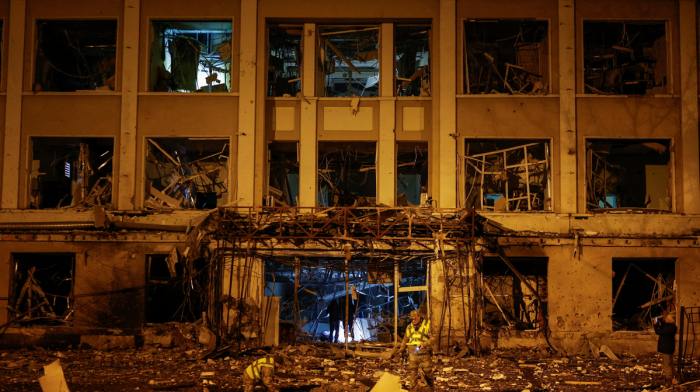
Dr Tedros, who is due to visit the region this week, said: “We cannot build community trust or isolate the sick while bombs are falling.”
Ebola outbreak declared international emergency
The current outbreak involves the Bundibugyo strain of Ebola, for which there is no approved vaccine or treatment. The World Health Organization has declared it an emergency of international concern due to its rapid spread.
More than 900 suspected cases and over 200 suspected deaths have been reported across eastern Congo, including North Kivu and South Kivu provinces, areas partially controlled by Rwanda-backed M23 rebels.
Aid agencies say the scale of the outbreak is being worsened by mass displacement caused by continued fighting.
Children among the victims as cases rise
Humanitarian organisation Save the Children said a quarter of confirmed deaths are children, warning that urgent improvements in infection prevention are needed.
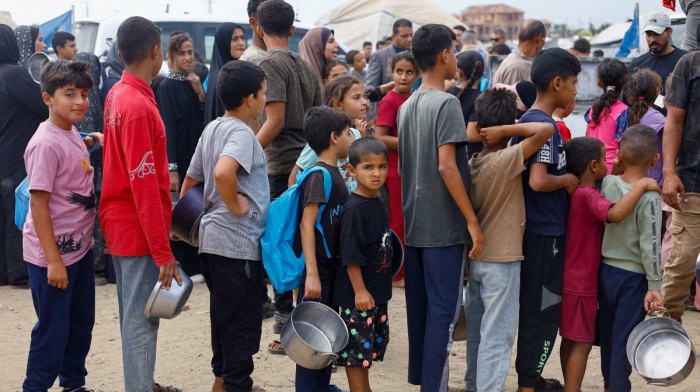
Aid groups also report that overcrowded displacement camps, particularly in neighbouring Uganda’s West Nile region, are operating at more than double capacity, increasing the risk of further transmission.
Medical shortages and strained response
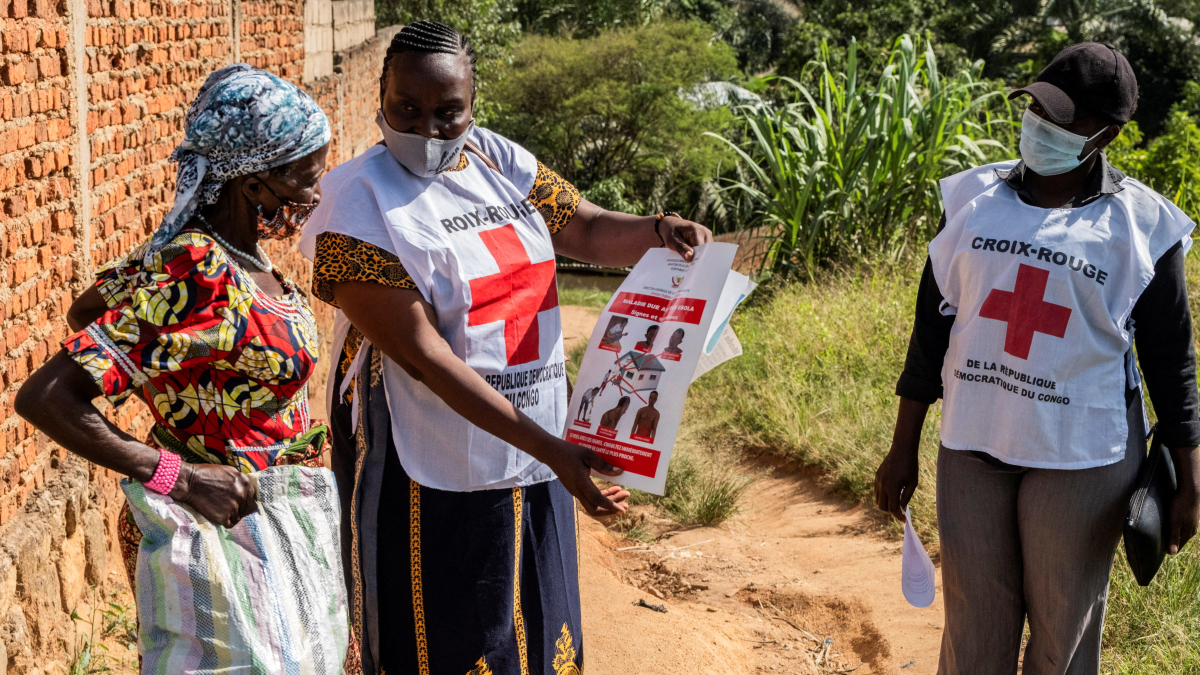
Health workers on the ground say they are facing severe shortages of basic medical supplies, including protective equipment, soap, chlorine, and body bags.
A doctor in Butembo, North Kivu, said facilities are struggling to cope with fatalities.
“If there are more deaths I don’t know how we will manage,” the doctor said, speaking anonymously.
The doctor added that in some cases staff have had to purchase essential supplies themselves due to shortages and funding gaps.
Aid efforts hampered by insecurity
Humanitarian organisations say attacks on medical workers and deep mistrust in affected communities are slowing containment efforts.
While international donors have pledged around $500 million to respond to the outbreak, health officials say not all of the funds have yet been disbursed.
Aid agencies are continuing to deploy staff and equipment to affected areas, but insecurity remains a major obstacle.
Renewed calls for political action
Despite ongoing mediation efforts led by the United States and other international actors, fighting in eastern Congo continues, leaving millions displaced.
The WHO has reiterated that without a cessation of hostilities, efforts to control the outbreak risk being overwhelmed.















What is your opinion on this topic?
Leave the first comment