Cuba plunges into darkness as power grid collapses again
Cuba faced another nationwide blackout after its electricity grid failed, deepening an energy crisis tied to fuel shortages and U.S. sanctions....
Bolivia’s President Rodrigo Paz has taken steps towards potentially declaring a state of emergency as anti-government protests intensify in the early months of his administration.
An emergency declaration would allow him to deploy military forces to the streets in an effort to contain the unrest. The move follows a decision to repeal limits on the executive’s use of emergency powers, approved by Congress and signed into law on Wednesday.
Any formal declaration, however, would still require legislative backing.
The unrest, driven by union leaders and supporters of former president Evo Morales, has centred on demands to reverse austerity measures and address rising living costs.
Demonstrations and roadblocks, now stretching close to a month, have disrupted supply chains and triggered shortages of food, fuel and medicine in major urban areas, including La Paz and El Alto.
Speaking to journalists ahead of talks with community leaders and industry representatives, Paz said he preferred dialogue but made clear that he was prepared to act.
“I have constitutional instruments. Time is running out,” he said. “I have to respond, I have to come up with solutions.”
Opposition figures have warned that deploying troops could worsen the situation. Lawmaker Sonia Siñani cautioned against escalation, saying: “We are pouring gasoline on the fire.”
Paz took office in November, ending nearly two decades of rule by the leftist Movement Toward Socialism, founded by Morales, and now faces one of the most serious challenges of his presidency.

A tourist aircraft crashed near Peru's UNESCO-listed Nazca Lines on Saturday (1 August), killing all 13 people on board, authorities said.
U.S. President Donald Trump said late on Saturday he would hold off on a fresh attack on Iran as long as a deal could be reached quickly to halt Iran's nuclear ambitions and reopen the Strait of Hormuz.
Two firefighting helicopters collided while battling a major wildfire in Greece on Sunday, killing two crew members as emergency services continued efforts to contain fires fuelled by extreme heat and dry conditions across Europe.
French Prime Minister Sebastien Lecornu said wildfires that swept across France were now under control. Authorities warned that risks remained as Greece and Spain continued battling active blazes across parts of Europe.
Apple Pay has launched in Kyrgyzstan and Tajikistan, expanding digital payment services across Central Asia and supporting the region's shift towards cashless transactions.
Cuba faced another nationwide blackout after its electricity grid failed, deepening an energy crisis tied to fuel shortages and U.S. sanctions.
The Japanese yen strengthened on Monday after Japan and the United States confirmed a rare coordinated currency intervention to halt the currency's slide following weeks of pressure.
Start your day informed with AnewZ Morning Brief. Here are the top news stories for the 3rd of August, covering the latest developments.
Oil prices fell sharply on Monday after U.S. President Donald Trump said talks with Iran would begin later in the day, raising hopes of easing tensions in the Middle East, while OPEC+ agreed to increase oil production for a sixth consecutive month, adding to expectations of improved global supply.
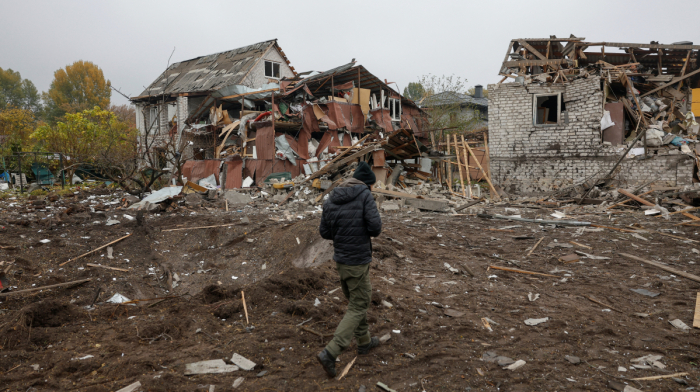
At least eight people were killed in overnight Ukrainian drone strikes across Russia, regional officials said, as Kyiv expanded attacks on infrastructure.
You can download the AnewZ application from Play Store and the App Store.
What is your opinion on this topic?
Leave the first comment