Muslims around the world have marked Eid al-Adha with prayers, celebrations and acts of charity, though for many Palestinians the holiday unfolded amid conflict, restrictions and loss.
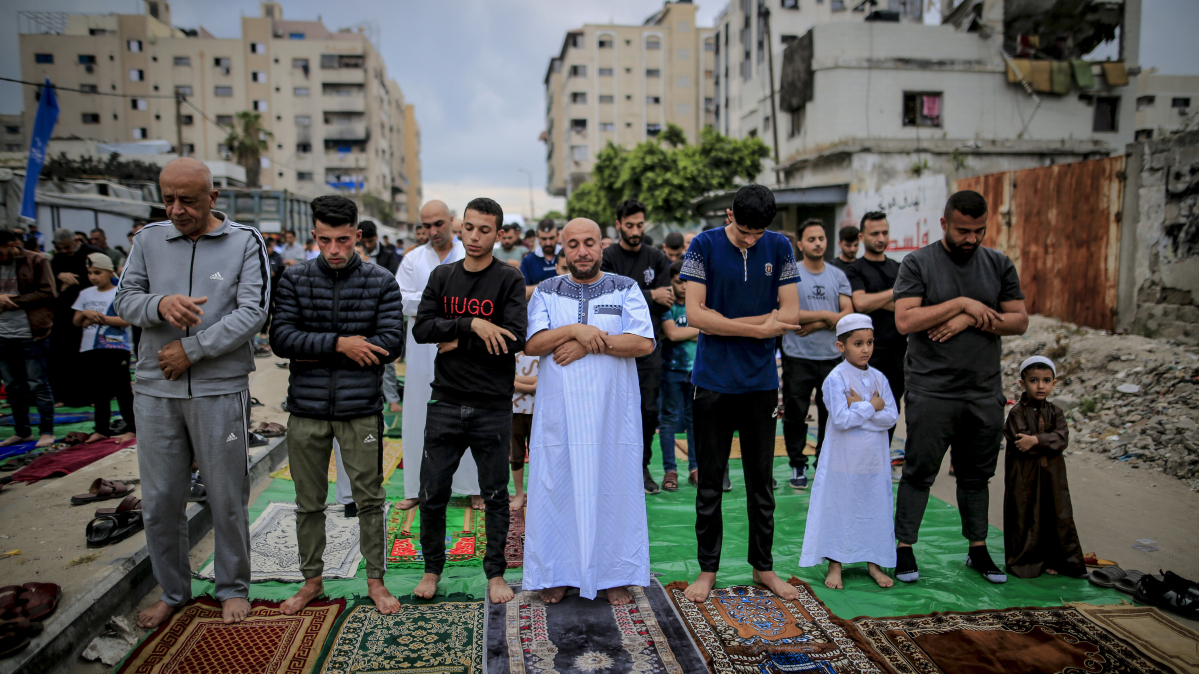
In Gaza, dozens of worshippers gathered among the ruins of the Ibn Taymiyyah Mosque in Deir al-Balah, which was destroyed in Israeli strikes. With homes and places of worship reduced to rubble, families performed prayers in open spaces, reflecting both resilience and hardship.
In the occupied West Bank, crowds assembled in cities including al-Bireh and Bethlehem, while access restrictions limited attendance at the historic Ibrahimi Mosque in Hebron. Israeli forces closed gates and searched worshippers, with local officials saying turnout was significantly reduced.
Despite the conditions, the spirit of Eid endured. Palestinian leaders emphasised perseverance, with many describing the holiday as a moment of unity and steadfastness in the face of ongoing violence.
In Jerusalem, tens of thousands gathered at the al-Aqsa Mosque under a heavy security presence, highlighting both the scale of devotion and the tensions surrounding religious sites.
Hajj completion and spiritual significance
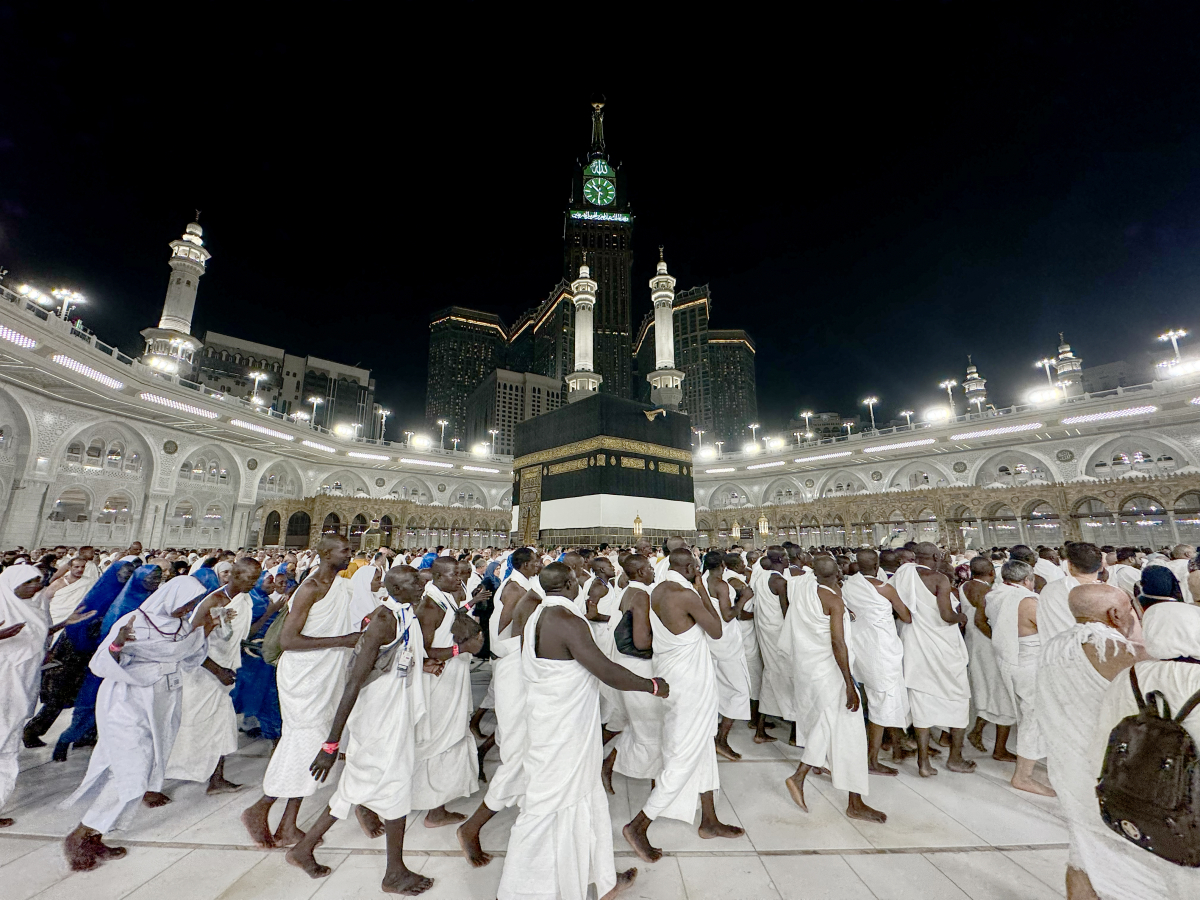
Beyond Palestine, Eid celebrations reflected a mix of devotion and community across continents. In Saudi Arabia, more than 1.7 million Muslims completed the Hajj pilgrimage in Mecca, a central pillar of Islam closely linked to Eid al-Adha.
Pilgrims took part in key rituals, including standing at Arafat, collecting stones in Muzdalifah and performing the symbolic “stoning of the devil” in Mina. Many then completed Tawaf and Sa’i at the Kaaba before concluding their pilgrimage.
Throughout the journey, volunteers and officials distributed water, food and dates to pilgrims, while millions continued the final rituals over the days of Eid.
Global celebrations across continents
In Europe, thousands gathered in cities to mark the occasion. In Moscow, large crowds filled mosques, streets and public spaces as worshippers attended early morning prayers. Roads were closed to accommodate the numbers, with sermons delivered at major mosques across the capital.
In Ireland, Muslims came together at the Dublin National Basketball Arena for Eid prayers, with families and children taking part in celebrations that included games and communal activities.
Across Türkiye, Central Asia and the Caucasus, mosques overflowed as worshippers marked the day. In Istanbul, crowds gathered at landmarks such as Hagia Sophia and the Blue Mosque, while in Azerbaijan and Central Asian countries, including Kazakhstan and Kyrgyzstan, prayers extended into courtyards and public squares because of high attendance.
A shared tradition of faith and charity
Eid al-Adha, known as the Feast of Sacrifice, commemorates the willingness of Prophet Ibrahim to sacrifice his son in obedience to God before a ram was provided as a substitute.
The holiday is traditionally marked by communal prayers, the sacrifice of animals and the sharing of meat with relatives, neighbours and those in need.
From conflict zones to peaceful city squares, this year’s observance has underscored both the unity of the global Muslim community and the stark contrasts in how the holiday is experienced - with joy, devotion and, for some, profound hardship.
















What is your opinion on this topic?
Leave the first comment