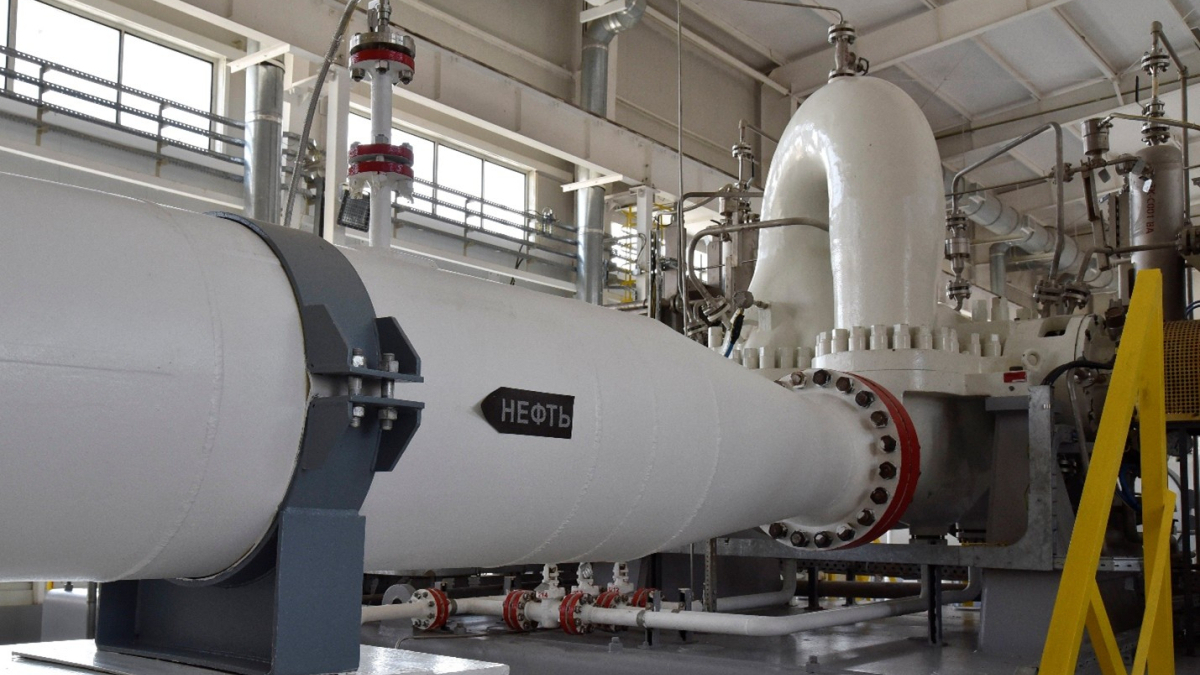
Kazakhstan has reiterated that no existing route can replace the Caspian Pipeline Consortium (CPC), which carries more than 80% of the country's crude oil exports through Russia to the Black Sea.
Speaking at the Fifth Eurasian Economic Forum on 28 May, Energy Minister Yerlan Akkenzhenov said no comparable infrastructure currently exists to transport the 60–70 million tonnes of oil Kazakhstan exports annually through the system.
“There is no alternative to this pipeline at present,” Akkenzhenov said.
“There is simply no other pipeline capable of transporting these volumes from Kazakhstan to international markets.”
Alternative routes remain limited
His remarks come as Kazakhstan continues to expand additional export channels alongside CPC, while acknowledging that none can match the scale of the country's principal oil export route.
The corridor has faced periodic disruptions in recent years. In February 2025, a drone strike damaged the Kropotkinskaya pumping station in southern Russia, part of the CPC system, briefly raising concerns about potential interruptions to oil flows. Kazakhstan said at the time that exports continued without disruption.
Alongside CPC, Kazakhstan exports smaller volumes through the Kazakhstan–China pipeline, the Aktau–Makhachkala route and maritime shipments across the Caspian Sea.
Azerbaijan expansion plans
Particular attention is focused on Azerbaijan. Kazakhstan plans to supply 2.2 million tonnes of crude oil to the country, with volumes potentially rising to 3 million tonnes, according to Akkenzhenov. He said infrastructure at the port of Aktau and available shipping capacity on the Caspian Sea would support additional deliveries.
Azerbaijan is prepared to receive larger volumes of Kazakh crude, the minister said, although any increase would depend on transport costs and broader commercial conditions.
Kazakhstan is also seeking to expand supplies through the Baku–Tbilisi–Ceyhan (BTC) pipeline, with discussions on reducing transport costs continuing.
Baku–Supsa option under consideration
Akkenzhenov added that Kazakhstan would consider the Baku–Supsa route if it proved commercially viable, although no formal negotiations with Azerbaijan have yet taken place.
The pipeline, which links the Sangachal terminal near Baku with Georgia's Black Sea port of Supsa, has an annual capacity of around 7 million tonnes but has remained inactive since spring 2022.


















What is your opinion on this topic?
Leave the first comment