Sudan’s Forgotten War: The world’s largest and most severe hunger and displacement crisis
More than a million Sudanese refugees now face drastic cuts to life-saving aid, including food and water, after major funding shortfalls have left ...
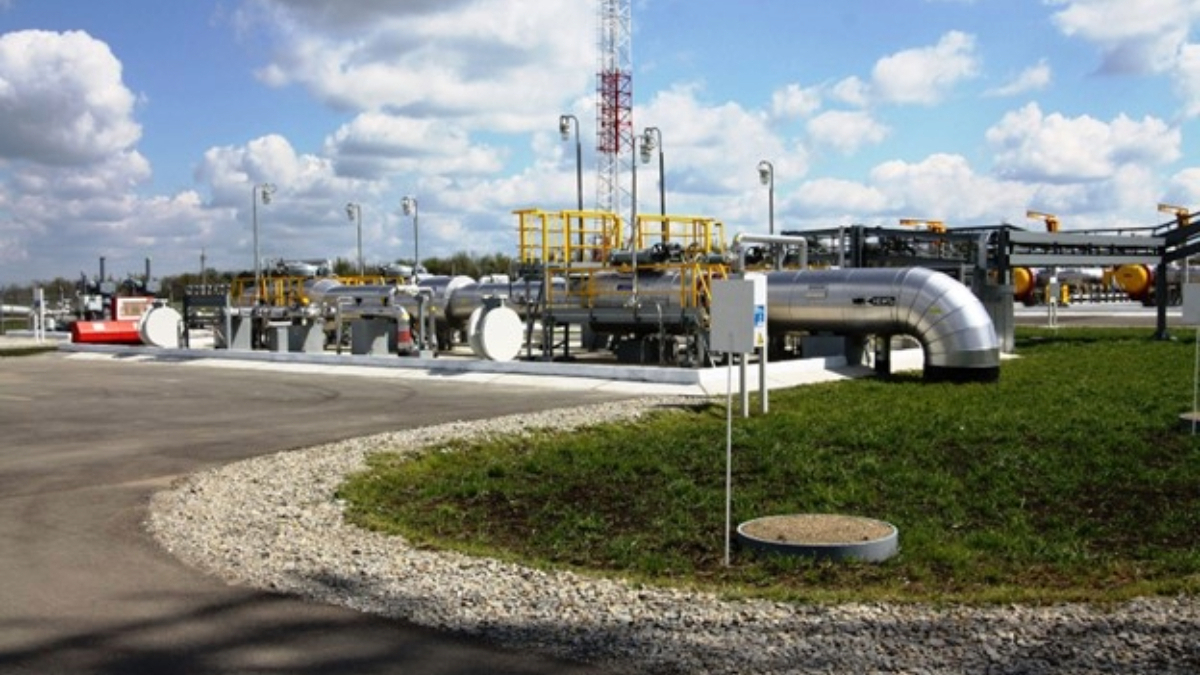
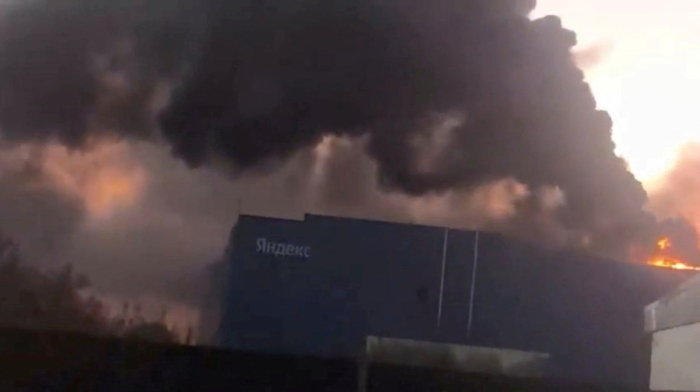
Kazakhstan says oil exports via the Caspian Pipeline Consortium (CPC) remain stable after drone strikes on facilities near Novorossiysk, despite damage to key infrastructure and rising risks to a major export route.
Oil shipments through the CPC pipeline are continuing under normal operations, Vice Minister of Energy Sanzhar Zharkeshov said, responding to journalists’ questions about the impact of the recent attacks.
He added that Kazakhstan and its foreign partners in the consortium are taking all necessary measures to ensure the security of oil supplies, while noting that issues related to the military protection of facilities are confidential and not subject to disclosure.
The latest attack took place overnight on 5 April, when Ukrainian drones struck CPC infrastructure in the Novorossiysk area. As a result, a pipeline connected to an offshore mooring system and a loading terminal were damaged, and fires broke out in four fuel storage tanks.
According to Kazakh energy expert Olzhas Baidildinov, the damage and lost revenues linked to attacks since November 2025 exceed $2 billion.
Around 80% of Kazakhstan’s oil exports are transported through the CPC pipeline. The system stretches over 1,500 kilometres, linking oil fields in western Kazakhstan to the Black Sea coast, where crude is loaded onto tankers via the CPC marine terminal.
Among the largest shareholders in the consortium are Russia, through Transneft; Kazakhstan, through KazMunayGas; as well as Chevron, Lukoil, ExxonMobil, Rosneft and Shell.
Ukraine has carried out repeated attacks on Russian oil refineries and crude terminals as part of efforts to undermine a key source of revenue for Russia’s war economy.

China and Russia vetoed a United Nations Security Council resolution on Tuesday aimed at coordinating defensive efforts to protect commercial shipping in the Strait of Hormuz, leaving no agreed international framework for securing the vital route.
Lebanon’s Hezbollah said it had stopped firing on northern Israel and Israeli forces on Wednesday as part of a two-week ceasefire in the Middle East brokered between the United States and Iran. However, a Hezbollah lawmaker warned that the pause could collapse if Tel Aviv does not adhere to it.
Pakistan’s Prime Minister Shehbaz Sharif said Iran and the United States, along with their allies, have agreed to an immediate two-week ceasefire covering all areas, but Israel says the deal excludes Lebanon. Tel Aviv says the U.S. is committed to achieving shared goals in upcoming negotiations.
Construction has begun on a major new solar power project in Xizang, as China continues to expand its renewable energy capacity and push towards a greener future.
Iran suggested it would be "unreasonable" to proceed with talks to forge a permanent peace deal with the U.S. after Israel pounded Lebanon with its heaviest strikes yet on Wednesday, killing hundreds of people. The warning came from Iran's lead negotiator, parliament speaker Mohammed Bager Qalibaf.
Afghanistan and Pakistan have agreed to continue dialogue and avoid steps that could worsen tensions after China-hosted talks in Urumqi, with Kabul and Beijing saying the meetings focused on easing differences and improving relations.
Lithuania’s Prime Minister’s visit to Azerbaijan on 9 April signals a deepening strategic dialogue between Baku and European partners. Analysts say economic interests and geopolitical shifts are driving closer engagement.
Italian Prime Minister Giorgia Meloni said on Thursday (9 April) that restoring freedom of navigation in the Strait of Hormuz is a vital interest for both Italy and the European Union, pledging coordination with international partners to ensure safe passage.
Israel launched its heaviest strikes on Lebanon since hostilities escalated last month, killing over 100 people, even as Hezbollah halted attacks under a disputed U.S.-Iran ceasefire.
Turkish President Recep Tayyip Erdoğan has said Türkiye aims to rank among the world’s top ten exporters of defence technology within the next two years.
You can download the AnewZ application from Play Store and the App Store.
What is your opinion on this topic?
Leave the first comment