Leaders of the Organisation of Turkic States (OTS) gathered in the Kazakh city of Turkistan for an informal summit focused on strengthening cooperation in trade, transport, energy and regional connectivity as the bloc seeks to expand its geopolitical and economic influence across Eurasia.
The meeting brought together member states including Azerbaijan, Kazakhstan, Kyrgyzstan, Türkiye and Uzbekistan at a time when shifting global trade patterns and intensifying geopolitical competition are increasing the strategic importance of Central Asia and the Caucasus.
Analysts say the summit reflects how the OTS, once largely viewed as a cultural and linguistic platform, is steadily evolving into a more coordinated regional grouping with broader economic and strategic ambitions.
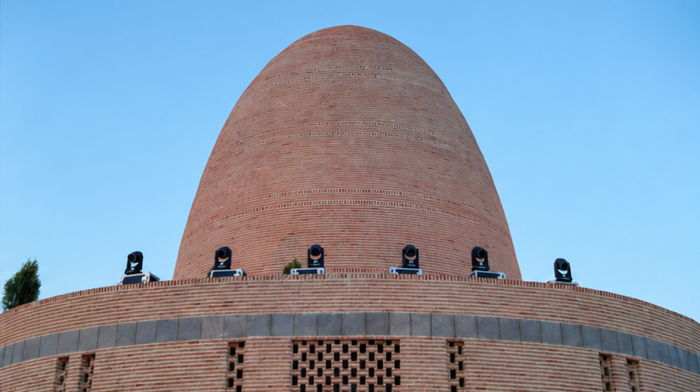
Zhanat Momynkulov, senior lecturer at the Eurasian National University, said the choice of Turkistan as the host city carried symbolic significance for the Turkic world.
“Integration projects also need moral foundation,” he said. “Turkistan carries exactly this kind of meaning for Turkic nations.”
He added that the city’s historical connection to the revered Turkic scholar and Sufi poet Khoja Ahmed Yasawi helped create “not only a good-willing political atmosphere but also emotional connection among leaders.”
Middle Corridor takes centre stage
A key focus of the summit was the development of the Middle Corridor, a trade and transport route linking China to Europe through Central Asia, the Caspian Sea, the South Caucasus and Türkiye.
The corridor has attracted growing attention in recent years as governments and businesses seek alternatives to routes affected by geopolitical instability and supply chain disruptions.
Momynkulov described the route as “the material backbone of the Turkic integration.”
“The Middle Corridor increases the strategic value of the Turkic states as a transit and logistics hub between Europe and China,” he said.
The route has become particularly important for Azerbaijan, which has invested heavily in railways, ports and logistics infrastructure to strengthen east-west connectivity across the Caspian region.
Organisation expands beyond cultural ties
Founded in 2009, the Organisation of Turkic States initially focused on cultural and linguistic cooperation among Turkic-speaking countries.
However, recent summits have increasingly prioritised economic integration, energy cooperation, digitalisation and strategic coordination.
“Now we see that this organisation is transforming from merely symbolic or cultural into some pragmatic platform,” Momynkulov said.
He noted that the organisation’s agenda now includes “trade, logistics, digitalisation, AI and energy and technological cooperation.”
The growing international visibility of the bloc has also drawn attention from major powers navigating an increasingly fragmented geopolitical environment.
Despite this, Momynkulov stressed that the organisation should not be seen as targeting any country or alliance.
“The OTS is not anti-Russian, not anti-Chinese or anti-Western,” he said. “It is an attempt of Turkic states to strengthen regional peaceful coordination, connectivity and strategic autonomy.”
Azerbaijan strengthens influence within OTS
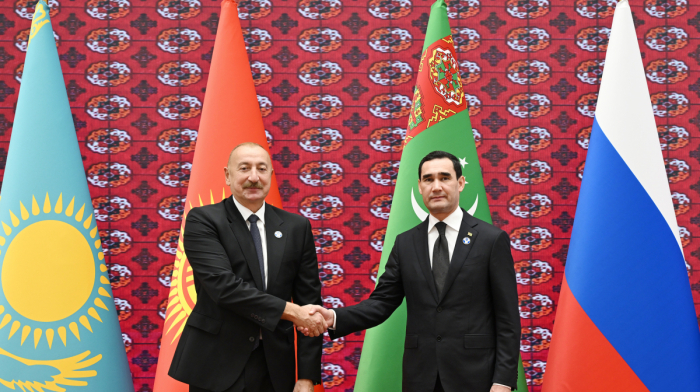
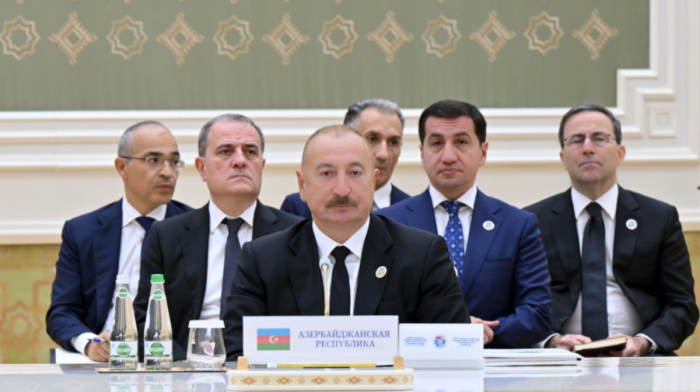
President Ilham Aliyev attended the summit, where discussions also highlighted Azerbaijan’s role in regional transport and diplomacy.
Momynkulov described Azerbaijan as “one of the most active intellectual centres and influential members” of the organisation.
“Without Azerbaijan, the idea of continuous Turkic connectivity space across the Caspian would be much more difficult to realise,” he said.
He added that Baku now plays “an important role in shaping the organisation’s strategic directions, plans and expertise.”
As geopolitical tensions continue to reshape trade routes and regional alliances, the Organisation of Turkic States is increasingly positioning itself as a bridge between Europe and Asia through economic cooperation and connectivity initiatives.









What is your opinion on this topic?
Leave the first comment