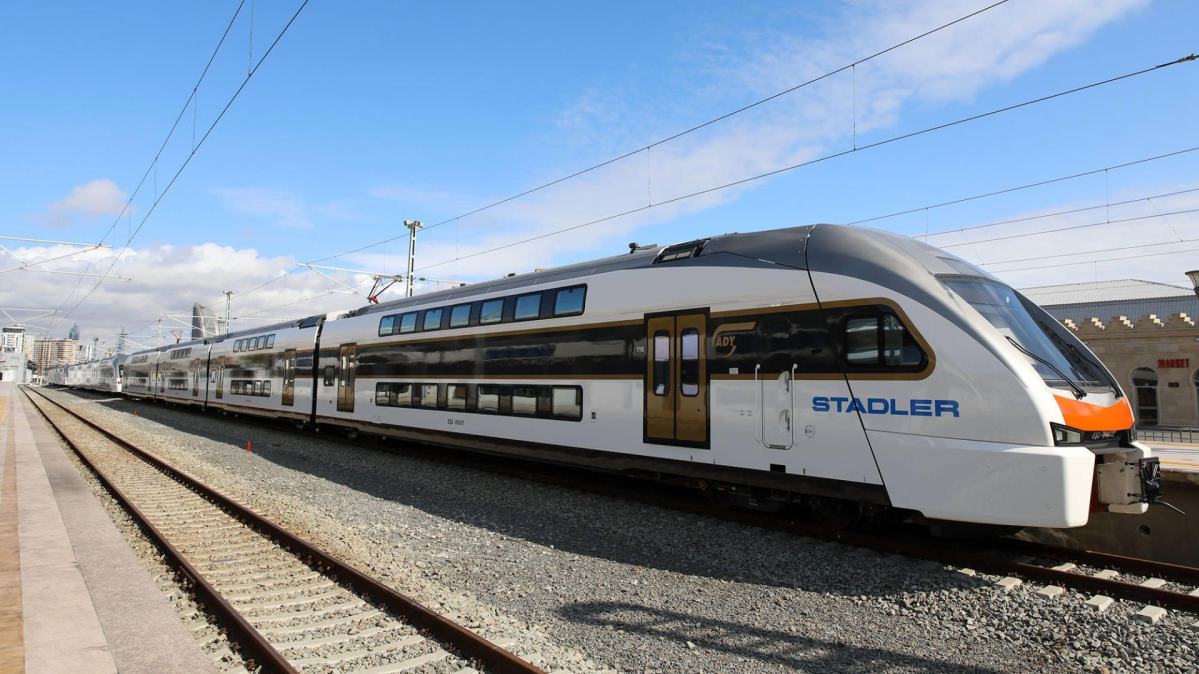
Azerbaijan and Georgia have agreed to resume daily passenger train services on the Baku-Tbilisi-Baku route from 26 May, 2026, marking a major step in restoring regional rail connectivity after services were suspended in 2020 due to the COVID-19 pandemic.
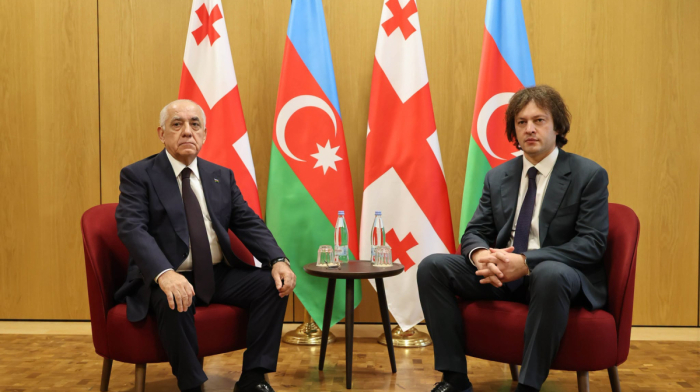
The decision was confirmed in a joint communiqué following high-level talks in Baku between President Ilham Aliyev and Georgian Prime Minister Irakli Kobakhidze, held on the sidelines of the World Urban Forum (WUF13) this week.
The current departure times and stops are listed in the Baku–Tbilisi train timetable.
The resumption of passenger rail services is part of a broader effort to strengthen transport links between the two countries.
Both governments describe it as a strategic corridor connecting the Caspian region with Türkiye and wider international markets.
Officials also confirmed the completion of modernisation works on the Baku-Tbilisi-Kars railway project, with a Coordination Council protocol formally approving the final acceptance of upgrades carried out on the line.
Management of the railway infrastructure will also be transferred to a joint venture, BTKI Railways LLC, in what both sides described as an important step toward improving operational efficiency and long-term connectivity across the corridor.
Energy and infrastructure agreements
Alongside the rail announcement, Azerbaijan and Georgia signed a series of agreements expanding cooperation in energy and transit infrastructure.
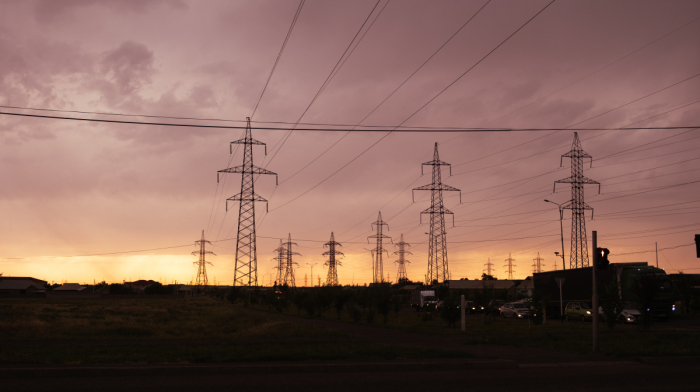
These include intergovernmental deals on natural gas supply to Georgia, the continuation of transit arrangements for Azerbaijani gas exports to international markets, electricity supply cooperation, and electricity transit through Georgia to Türkiye.
Energy companies from both countries also signed Heads of Terms setting out commercial frameworks for future long-term agreements, expected to be finalised by October 2026.
In addition, the State Oil Company of the Republic of Azerbaijan (SOCAR), SOCAR Midstream Operations, and the Georgian Oil and Gas Corporation signed an operating agreement covering the Georgian section of the Western Route Export Pipeline, including the Supsa Oil Terminal and associated infrastructure.
Both sides emphasised that the agreements reinforce Azerbaijan and Georgia’s role as a key regional connectivity hub linking energy and transport routes across Eurasia.
Officials said the expanded cooperation reflects a shared commitment to deepening economic integration and strengthening long-term infrastructure links between the two countries.
Read more:















What is your opinion on this topic?
Leave the first comment