In a sweeping diplomatic push in Baku, Georgia and Azerbaijan have signed a landmark package of energy and transport agreements, cementing a partnership set to shape the South Caucasus corridor for decades to come.
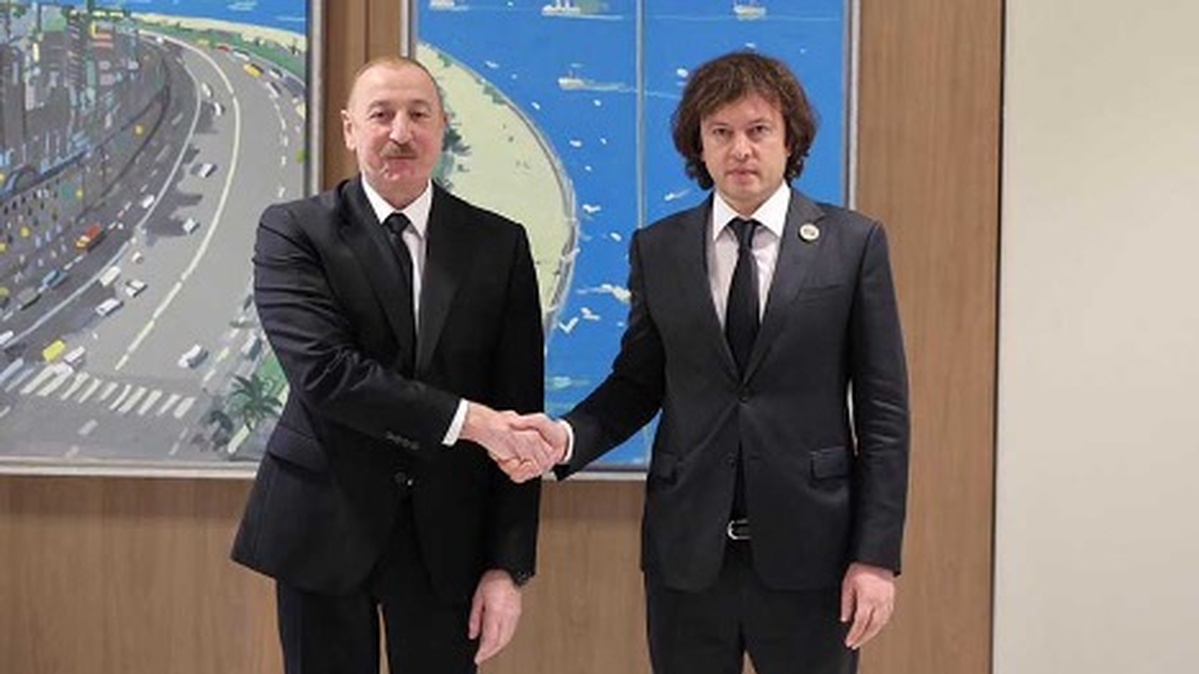
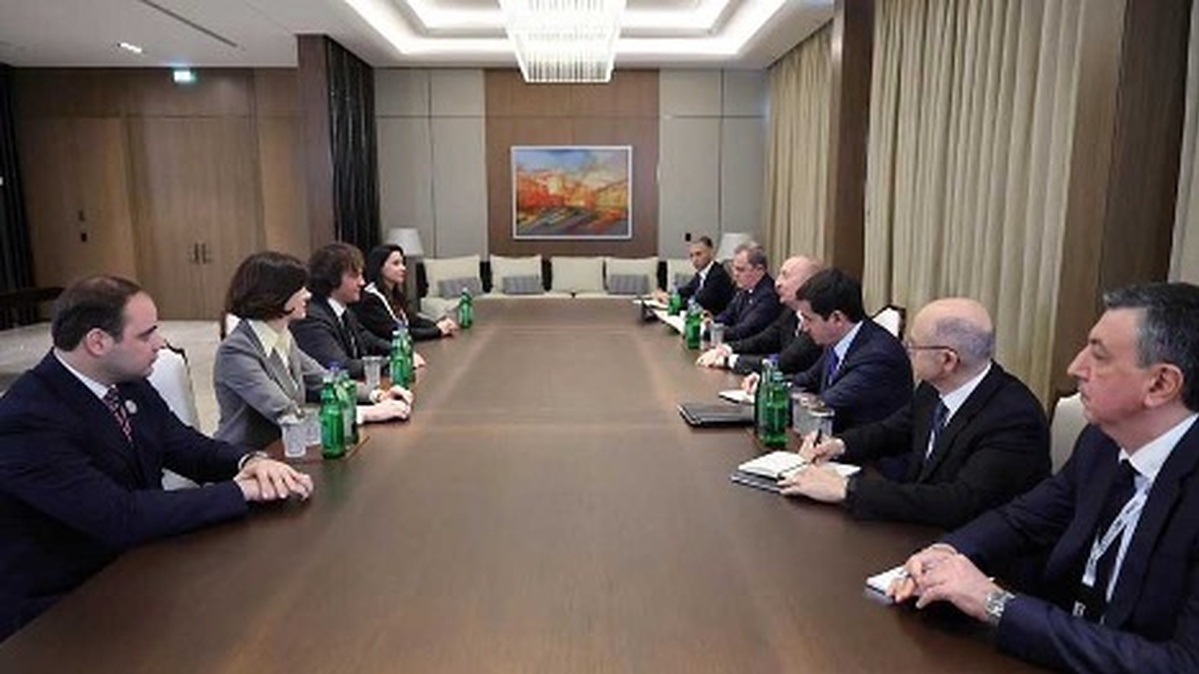
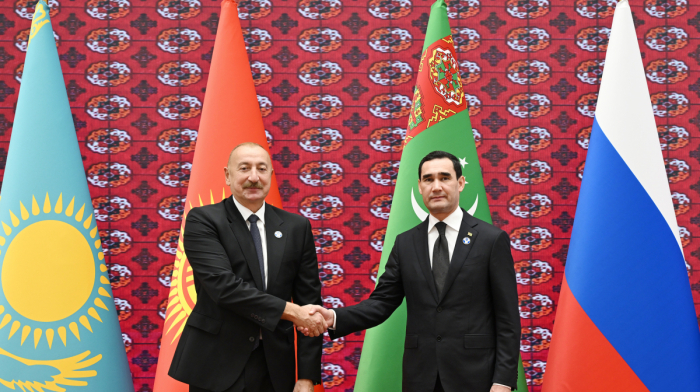
The signing ceremony, held during Georgian Prime Minister Irakli Kobakhidze’s official visit to Baku, marked a pivotal moment in bilateral relations. A comprehensive suite of agreements covering natural gas supply, electricity transit, oil pipeline operations and railway connectivity was finalised between Georgia’s Minister of Economy and Sustainable Development, Mariam Kvrivishvili, and her Azerbaijani counterparts, witnessed by Prime Minister Kobakhidze and Azerbaijani President Ilham Aliyev.
“These agreements are of landmark importance in the relations between Georgia and Azerbaijan,” Prime Minister Kobakhidze told journalists in Baku. “They are related to the deepening of economic and energy partnership.”
20-year gas agreement at the centre of the package
The centrepiece of the package is a new 20-year intergovernmental agreement extending the natural gas purchase and sale accord first signed in 2003 under the South Caucasus Pipeline Project. The original deal had expired, making its renewal a matter of considerable strategic urgency for Tbilisi.
The agreement includes explicit guarantees on the security of social gas supply, a provision with direct significance for Georgian households and industry alike. Minister Kvrivishvili described the signing as being “of particular importance for strategic cooperation” and for Georgia’s long-term energy security.
"The 20-year agreement on social gas has been extended for 20 years. This will be of particular importance for the energy security of our country."
PRIME MINISTER IRAKLI KOBAKHIDZE
Electricity, oil and the revival of the Baku–Supsa pipeline
Alongside the gas agreement, the two countries signed a 20-year intergovernmental deal on the basic conditions for the supply and transit of electricity, reinforcing Georgia’s role as both a consumer and a conduit in regional energy networks.
Perhaps the most commercially significant element of the package concerns the Baku-Tbilisi-Supsa oil pipeline. The pipeline has remained idle for approximately three years, depriving Georgia of substantial transit revenues. Under a newly signed operational agreement, Azerbaijan will work with Georgia to restore the pipeline to full working order.
“During these three years, the income was zero,” Prime Minister Kobakhidze acknowledged candidly. “With this new, very important agreement, together with the Azerbaijani side, the effective functioning of this pipeline will be ensured.”
He added that, once operational, the pipeline is expected to generate tens of millions of dollars in annual income for the Georgian state, while also resuming the transit of Central Asian oil to European markets via Georgia’s Black Sea coast.
AGREEMENTS AT A GLANCE
- 20-year natural gas deal - extension of the 2003 South Caucasus Pipeline purchase agreement, with social gas security guarantees
- 20-year electricity accord - covering supply and transit of electricity between the two countries
- Baku–Tbilisi–Supsa pipeline - new operational agreement to resume oil transit from Central Asia to Europe
- Baku–Tbilisi–Kars railway - protocol to put the new BTK section into full operation
- Daily Tbilisi–Baku passenger trains - resuming 26 May 2026, ending a six-year suspension
Railway links and regional connectivity
Beyond energy, the Baku visit also produced a significant breakthrough in transport. A protocol of the Bilateral Coordination Council was signed, putting the new Baku-Tbilisi-Kars (BTK) railway section on course for full operational status. Georgian Railways will take responsibility for operations, with a joint venture to be established alongside the Azerbaijani side.
Equally significant for travellers is the announcement that daily passenger rail services between Tbilisi and Baku will resume on 26 May, ending a six-year interruption.
For Prime Minister Kobakhidze, the railway project carries significance well beyond transport links. “Together with Azerbaijan, we connect the Caspian Sea with the Black Sea, respectively, Europe with Asia.”
A partnership built for the long term
Taken together, the agreements reflect the growing depth and maturity of Georgia-Azerbaijan relations, built over years of shared infrastructure, geography and strategic interests. The two countries already sit astride some of the region’s most important energy corridors, and the latest package consolidates that interdependence over a generational timeframe.
Minister Kvrivishvili described the overall package as “an agreement of historical significance”, noting that months of sustained negotiations had preceded the Baku ceremony. The signings took place on the margins of the World Urban Forum, which the Georgian delegation also attended, underlining the broader diplomatic significance of the visit.
For Georgia, the deals address several outstanding vulnerabilities at once: a lapsed gas agreement, an inactive pipeline and a railway corridor still short of its full potential. For Azerbaijan, deeper ties with its western neighbour reinforce Baku’s position as a key hub in the east–west energy and logistics network stretching from Central Asia to Europe.
The road ahead will, of course, require the hard work of implementation. But as diplomatic signals go, few could be clearer: Georgia and Azerbaijan are building a partnership designed to endure.
Speaking to AnewZ's Nadia Gyane, Valeri Chechelashvili, Georgian Strategic Analysis Center Board Member, discussed how Azerbaijan and Georgia can strengthen their role in Europe's future energy landscape through green infrastructure, sustainability and regional connectivity projects highlighted at WUF13.














What is your opinion on this topic?
Leave the first comment