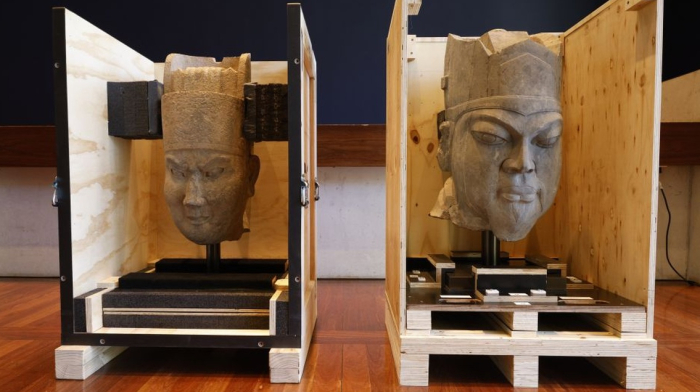
Australia returns ancient Chinese statue heads stolen from imperial tombs
Australia has returned two ancient stone statue heads to China, more than 30 years after they were taken from imperial tombs in central China....
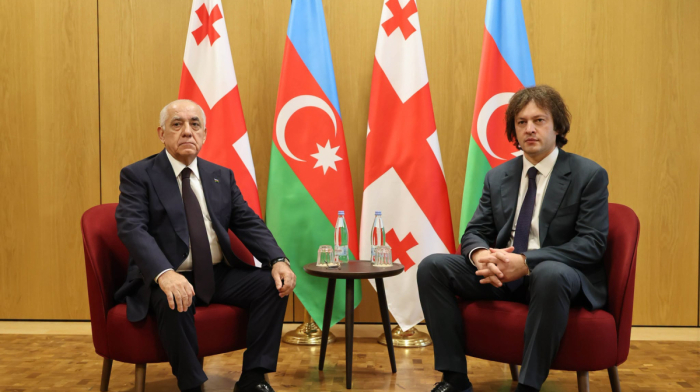
Azerbaijan and Georgia’s leaders met on Monday (6 April) to strengthen ties as the Middle Corridor emerges as a key Asia- Europe link. Talks focused on economic cooperation, infrastructure, and regional stability amid shifting global trade dynamics.
Speaking to AnewZ, Ambassador Valeri Chechelashvili highlighted the growing strategic importance of President Ilham Aliyev’s visit, describing Azerbaijan as “our strategic ally, our partner and friend”.
He outlined that negotiations would focus on three tracks: “bilateral relationship, regional context... and issues of central or Middle Corridor, because it's critically important for Azerbaijan, for Georgia, and for the region as a whole.”
On economic cooperation, the ambassador noted it is “developing dynamically.” While Azerbaijan ranks as Georgia’s fourth-largest trading partner, investments flow in both directions, with Azerbaijan investing $180 million and Georgian companies $90 million last year.
Regarding infrastructure, Chechelashvili highlighted the role of trilateral cooperation between Türkiye, Georgia and Azerbaijan, noting that “we have created all necessary infrastructure-oil and gas pipelines. Baku-Tbilisi-Kars railway and the highway Baku-Tbilisi-Istanbul will be very soon completed.”
Additional projects include increased gas supplies to Europe and a subsea electricity cable connecting Azerbaijan and Georgia to European networks.
The ambassador also addressed global disruptions, stating that “our corridor, our transport communication corridor, is gaining more and more importance” due to sanctions on Russia and turmoil in Iran.
He highlighted growing regional stability, saying the South Caucasus “is now gaining completely new quality importance”.
Looking ahead, Chechelashvili described the strategic partnership as “a relationship of positive interdependence, because Azerbaijan is the guarantor of Georgia's energy security, and Georgia is a guarantor of safe and guaranteed outreach for export of Azerbaijani oil and gas to the world market.”
The Middle East conflict remains tense as diplomatic efforts continue alongside renewed Houthi attacks. Iran says it remains open to mediation, while the Saudi-led coalition says it intercepted a ballistic missile fired towards the kingdom.
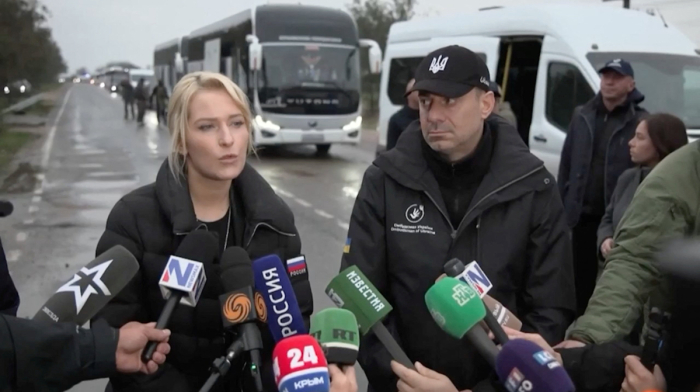
Evacuations and the provision of humanitarian aid in the Russian-occupied southern Ukrainian town of Oleshky have begun, a senior Ukrainian official said on Friday. In a statement on Telegram, David Arakhamia said a six-day ceasefire was holding, and that more details would follow.
Rescuers searched the wreckage of two high-speed trains in central Spain on Thursday as the death toll rose to a provisional 74, making it the country's second fatal high-speed rail disaster this year.
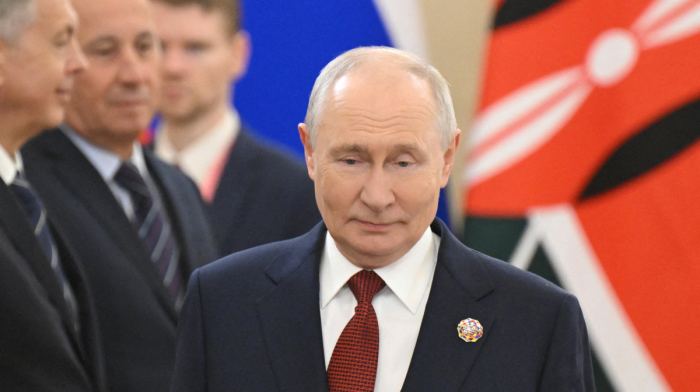
Russian President Vladimir Putin said Russia remains willing to rebuild relations with European countries but warned that any wider conflict on the continent would leave no winners, as he commented on recent diplomatic contacts with Nordic leaders and growing security concerns in the Baltic region.
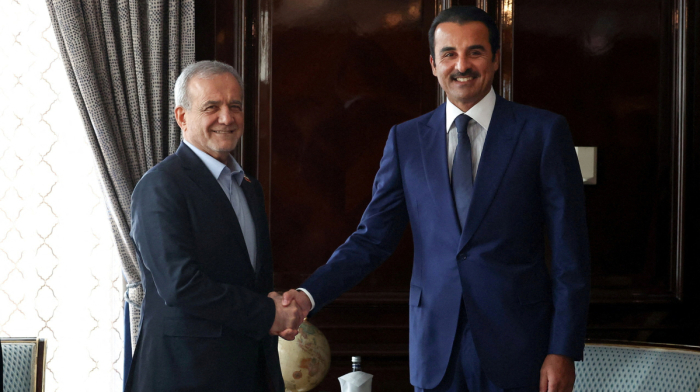
Qatari mediators returned to Tehran on Friday as part of efforts to reach a deal between the U.S. and Iran, according to an official briefed on the talks.
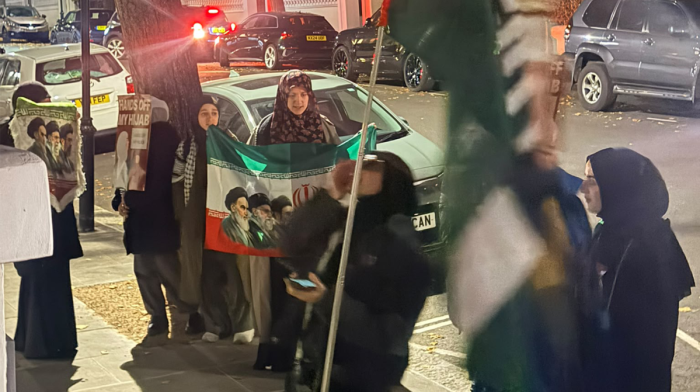
Demonstrators carrying Iranian flags and placards supporting the hijab gathered outside the Azerbaijani Embassy in London.
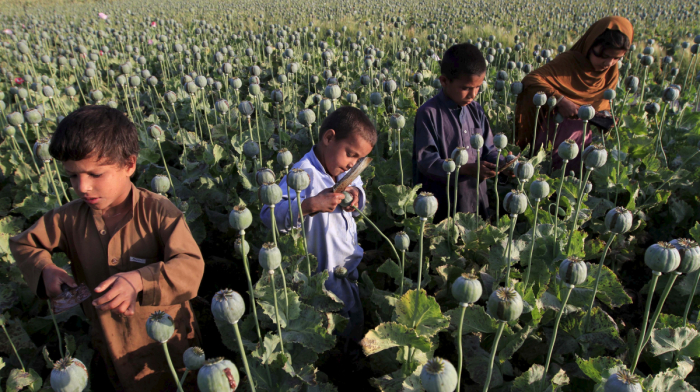
Opium poppy cultivation in Afghanistan surged by 330 per cent in 2026 despite a four-year ban, the United Nations said on Thursday. Afghan authorities disputed the findings, while Japan urged continued support for farmers seeking alternative livelihoods.
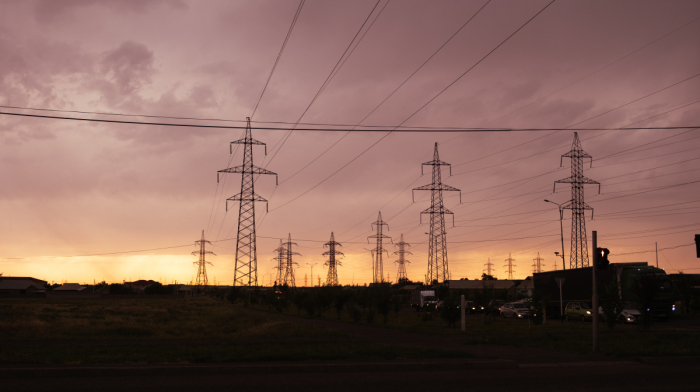
Central Asia could gain up to $640 million a year from closer energy cooperation, but strained electricity grids threaten to limit those gains, with Kazakhstan particularly exposed to regional power shortages and growing pressure on its network.
Georgia and Azerbaijan are stepping up efforts to boost trade, strengthen transport links between Asia and Europe and resolve a longstanding border dispute, as both countries seek to deepen their strategic partnership.
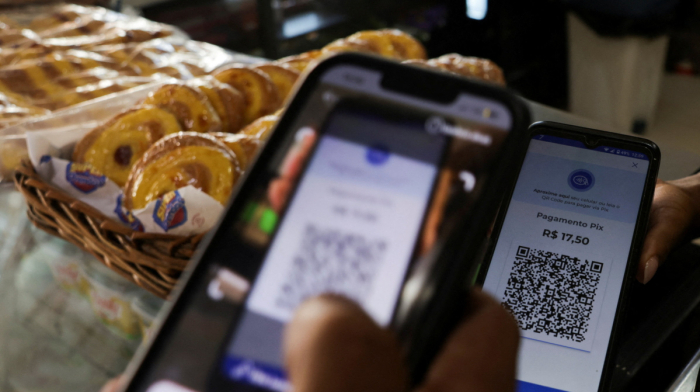
People travelling between Uzbekistan, Kazakhstan, Kyrgyzstan, Tajikistan and Azerbaijan could soon be able to pay for purchases using their usual banking apps. Central banks from the five countries are working on linking their national payment systems.
You can download the AnewZ application from Play Store and the App Store.
What is your opinion on this topic?
Leave the first comment