U.S. to deploy additional 200 troops to Nigeria under counterterrorism cooperation
The United States is set to deploy an additional 200 troops to Nigeria as part of expanded counterterrorism cooperation, according to a senior Nigeria...
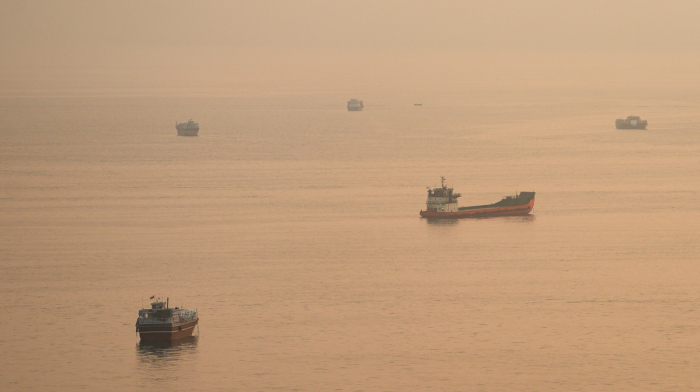
Georgia’s Foreign Ministry has raised concerns over reports that the Kulevi oil terminal on the country’s Black Sea coast could be included in a future European Union sanctions package against Russia.
If imposed, the measures would directly affect Georgia, with potential consequences for its ports, shipping and cargo operations. The proposed restrictions are expected to cover services linked to Russian energy exports passing through Kulevi.
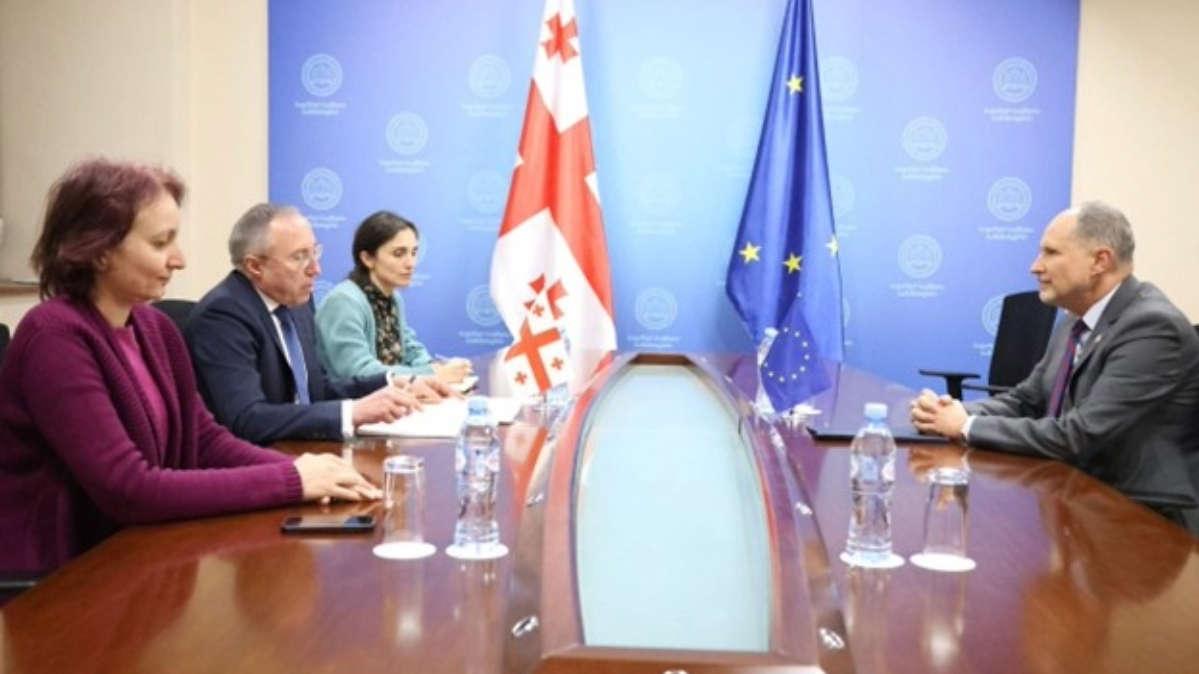
The issue was discussed on 12 February during a meeting in Tbilisi between EU Ambassador to Georgia Pavel Herchinsky and First Deputy Foreign Minister Giorgi Zurabashvili.
According to the Georgian Foreign Ministry, Zurabashvili told the EU Ambassador that speculation about sanctions targeting Kulevi is unfounded. He said no sanctioned vessels have entered the port and no cases of sanctions circumvention have been recorded there.
Affecting many ports
Georgian officials outlined the measures taken to comply with EU restrictive measures against Russia. These include monitoring cargo movements, supervising maritime traffic, identifying sanctioned entities and sharing regular updates with EU institutions. The government also said it has worked to detect activities linked to Russia’s so-called "shadow fleet".
Tbilisi stressed that the matter goes beyond a single port. The Kulevi terminal is part of the Caspian–Black Sea–Europe transport route, widely known as the Middle Corridor. The corridor connects Central Asia and the South Caucasus to European markets and has gained importance since Russia’s invasion of Ukraine disrupted northern trade routes.
In recent years, the Georgian government has prioritised positioning the country as a regional transit hub along this route. Officials said any sanctions affecting Kulevi could harm connectivity projects and weaken trade flows along a corridor that has become strategically important for both regional and European partners.
The discussion comes as the European Union continues work on its 20th sanctions package against Russia. EU foreign policy chief Kaja Kallas recently said discussions are still ongoing, including proposals related to maritime services, and stressed that no decisions are final until member states reach agreement.
Both sides agreed to remain in contact as discussions continue.

Europe heads into the Munich Security Conference, on Friday (13 February), amid deepening unease over U.S. policy, as President Donald Trump’s hard-line stance on defence, trade and territory fuels doubts about Washington’s long-term commitment to transatlantic security.
James Van Der Beek, who rose to fame as Dawson Leery in the hit teen drama Dawson’s Creek, has died aged 48 following a battle with stage 3 colorectal cancer.
Türkiye and Greece signalled renewed political will to ease long-standing tensions during high-level talks in Ankara on Wednesday (11 February). Maritime borders, migration and trade topped the agenda as both leaders struck a cautiously optimistic tone.
Stalled U.S.–Iran talks and mounting regional tensions are exposing a growing strategic rift between Washington and Tel Aviv over how to confront Tehran, political analyst James M. Dorsey says, exposing stark differences in approach at a critical moment.
BMW is recalling a mid six figure number of vehicles worldwide after identifying a potential fire risk linked to the starter motor.
The United States is sending a second aircraft carrier to the Middle East amid escalating tensions with Iran, U.S. media outlets reported on Thursday, 12 February, in an effort to reinforce its naval presence as diplomatic efforts falter.
Kazakhstan’s proposed constitutional changes could improve domestic stability and support its multi-vector foreign policy, a regional analyst says, but concerns remain about leadership changes and economic uncertainty.
Türkiye has detained 16 people in eight provinces on Friday (13 February), including Istanbul and Ankara, in an investigation into alleged money laundering tied to content shared on the platform OnlyFans, seizing assets worth about 300 million lira ($6.9 million), prosecutors said.
Türkiye and Serbia agreed to expand cooperation across defence, foreign policy and economic relations following talks between President Recep Tayyip Erdoğan and President Aleksandar Vučić in Ankara.
Plans for sweeping constitutional changes in Kazakhstan have sparked controversy, with civil society representatives accusing the authorities of rushing reforms without sufficient transparency or a clear public mandate.
You can download the AnewZ application from Play Store and the App Store.
What is your opinion on this topic?
Leave the first comment