Seven opposition parties in Georgia have formed a coordinated alliance ahead of upcoming elections, saying it aims to challenge the dominance of the ruling Georgian Dream party. The government has dismissed the move as a rebranding of familiar political figures.
The agreement, signed after months of negotiations, creates what the parties call an “Opposition Alliance”. It marks a shift from informal coordination towards a structured political bloc with written rules, shared messaging and a common electoral strategy.
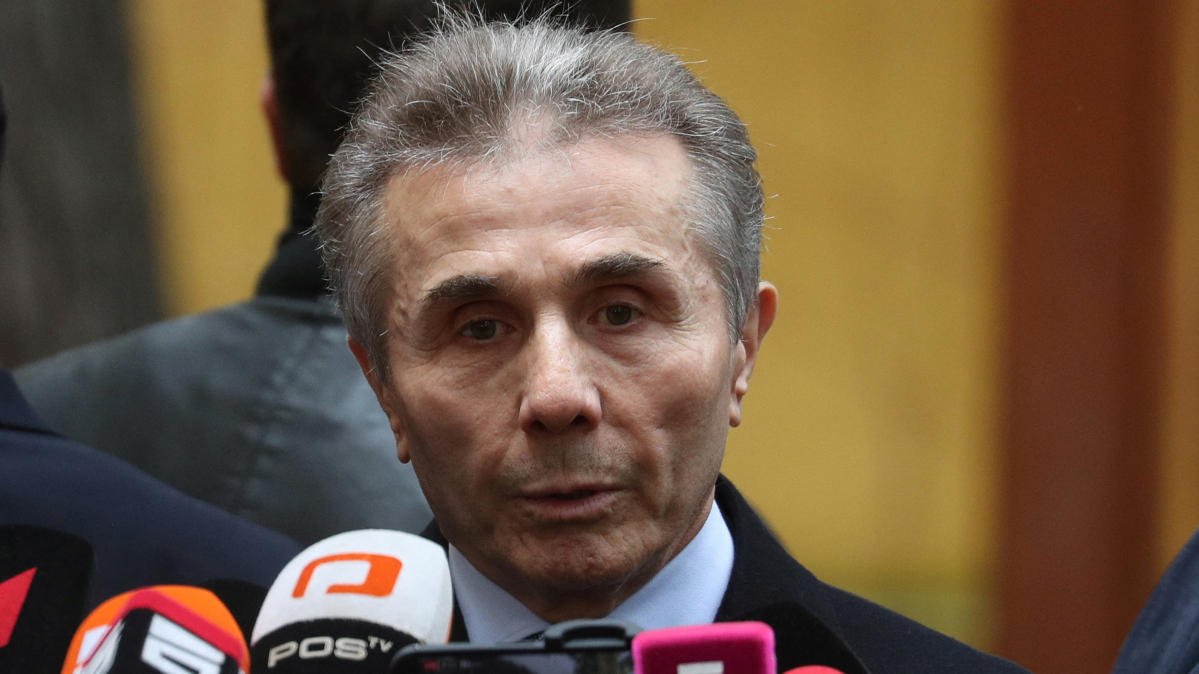
The alliance says its aim is to dismantle what it describes as a governing system built around Bidzina Ivanishvili, the honorary chairman of Georgian Dream. Although Ivanishvili holds no formal state office, opposition parties portray him as the central political force behind the government and accuse him of exercising informal control. Georgian Dream rejects that characterisation.
The agreement outlines plans for joint election campaigning, coordinated protest activity and a unified foreign policy message focused on Euro-Atlantic integration.
Parties in the alliance
The bloc brings together seven opposition groups:
- United National Movement
- Coalition for Change
- Strategy Builder
- Federalists
- National Democratic Party
- European Georgia
- Freedom Square
The inclusion of the United National Movement (UNM) is particularly significant. UNM governed Georgia from 2003 until it lost the 2012 parliamentary elections to Georgian Dream. Founded and led by former president Mikheil Saakashvili, the party has since remained the largest opposition force and the ruling party’s main rival.
Because of that history, coalitions involving UNM are often portrayed by critics as an attempt to revive the previous political era. This legacy explains why UNM’s participation has become central to the current political debate.
Who stayed out?
Not all opposition forces joined the alliance. Two major opposition actors stayed out.
Lelo – Strong Georgia chose to remain outside the bloc. Mamuka Katsitadze, a member of the party’s political council, said opposition voters should be offered more than one alternative. He described the new alliance as an “organic” consolidation that effectively recreates a UNM-centred political space, arguing that internal competition within the opposition could help prevent voter fatigue or disengagement.
Gakharia for Georgia also declined to participate. Party MP Giorgi Sharashidze criticised alliance members for past election boycotts and protest strategies, arguing that those tactics had ultimately strengthened Georgian Dream. The party says it will pursue an independent strategy aimed at weakening what it describes as an increasingly authoritarian system.
As a result, the move represents partial consolidation rather than full opposition unity.
How the alliance will operate
The agreement is based on what the parties describe as “unity without uniformity.”
Each member retains its own identity and leadership, while committing to a shared framework that includes:
- a unified protest strategy
- coordinated public messaging
- equal decision-making among signatories
- a formal code of conduct governing internal relations
The code introduces accountability mechanisms for violations, an attempt to avoid the public disputes and fragmentation that have undermined opposition efforts in previous election cycles.
The document also emphasises that change is to be pursued through elections. It refers explicitly to victory in free and fair polls and the formation of a democratic coalition government, without outlining any extra-constitutional steps.
Foreign policy at the centre
Foreign policy plays a central role in the alliance’s platform.
The agreement commits the bloc to restoring Georgia’s Euro-Atlantic course, including closer integration with EU and NATO structures. Alliance members argue that this direction has weakened under Georgian Dream and requires a clearer political commitment.
Tamar Chergoleishvili of the Federalists has confirmed preparations for a spring visit to the United States, saying the goal is to secure high-level meetings and present the alliance as a credible democratic alternative.
International engagement carries weight in Georgian politics, where Western attention often influences domestic political narratives. The alliance appears to be seeking early external recognition ahead of future electoral competition.
Government response
The ruling party has been openly dismissive
Gia Volski, First Vice-Speaker of Parliament from Georgian Dream, described the alliance as political “theatre” and accused it of pursuing destabilisation rather than reform. He said the same figures associated with UNM remain dominant within the bloc and questioned whether it represents genuine political renewal.
The response reflects a familiar government line: that opposition consolidation is merely a rebranding of the former ruling elite, not the emergence of a new political alternative.
What changes - and what does not
Georgia’s political landscape remains deepl polarised. Georgian Dream retains institutional control. The opposition remains divided into at least three visible camps: the new alliance, Lelo and Gakharia’s party.
However, the alliance introduces three tangible changes:
- It replaces informal coordination with a signed political framework.
- It formalises internal discipline through a written code of conduct.
- It links domestic electoral strategy with structured foreign engagement.
For voters and international observers, the key question is whether the bloc can broaden its appeal beyond its traditional support base - particularly beyond voters already aligned with the United National Movement - and present itself as a wider democratic platform.
The agreement does not resolve Georgia’s political polarisation. But it represents the clearest organisational attempt yet by a large segment of the opposition to act as a coordinated force rather than as competing factions.











What is your opinion on this topic?
Leave the first comment