Uzbekistan plans joint customs checks with Kazakhstan and Kyrgyzstan
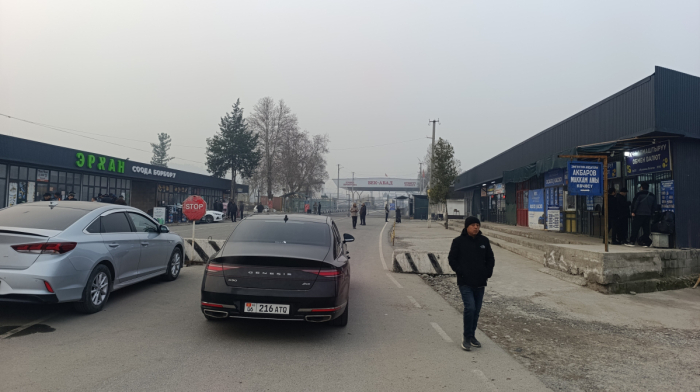
Uzbekistan is in talks with Kazakhstan and Kyrgyzstan over a joint customs system aimed at cutting border delays and speeding up freight transport....
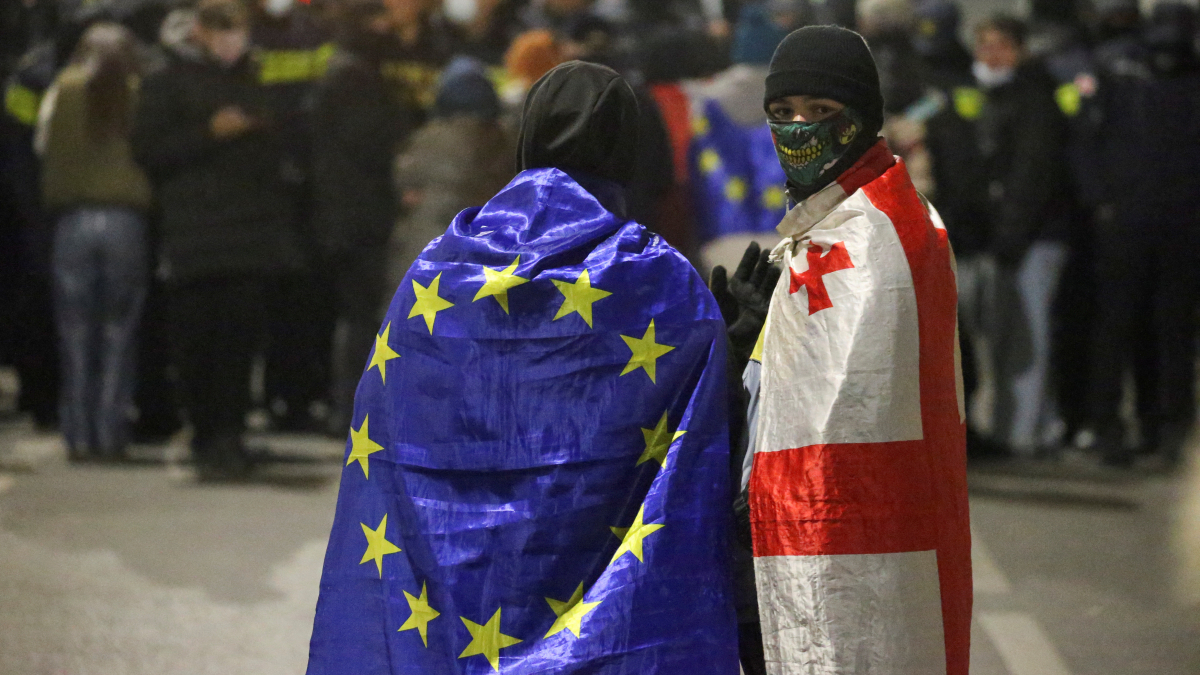
The speaker of Georgia’s parliament, Shalva Papuashvili, has questioned the European Union’s ability to act as a global geopolitical power, saying it no longer functions as a guarantor of international order.
In a Facebook post, Papuashvili argued that recent international developments involving the U.S. had exposed the EU’s declining influence on the world stage.
He said the events in Venezuela, which he claimed lasted only a few minutes, demonstrated that the bloc had lost its capacity to shape or uphold the global order and was unlikely to regain that role.
“It has become clear that when it suits its interests, Brussels will not hesitate to benefit from the destruction of world order and to use it for its own advantage,” he wrote.
Papuashvili also criticised the EU’s approach towards Georgia, accusing Brussels of acting in ways that he said violated international law.
He did not specify which actions he was referring to.
His remarks come amid strained relations between the Georgian government and the European Union. Georgia has formally stated its ambition to join the bloc, ties have been deteriorated in recent years over concerns, related to democratic reforms, the rule of law and foreign policy orientation.
Papuashvili said Georgia’s strategic priorities remained unchanged. He added the government’s two main objectives continued to focus on restoring the country’s territorial integrity and improving the well-being of its population.
“In the struggle for territorial integrity, there is no place for political sentimentality or illusions,” he said. “A state and a government that do not recognise Georgia’s territorial integrity can never be friends of the Georgian people.”

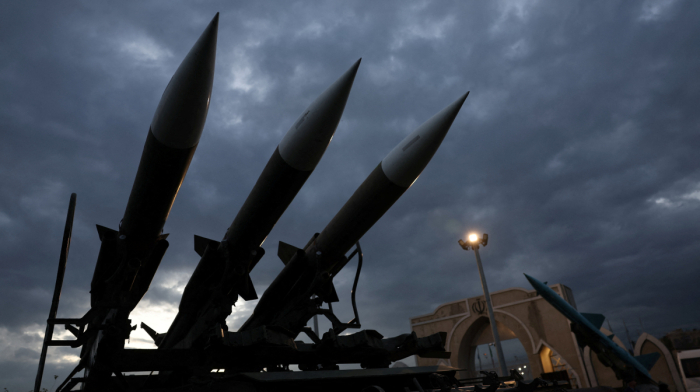
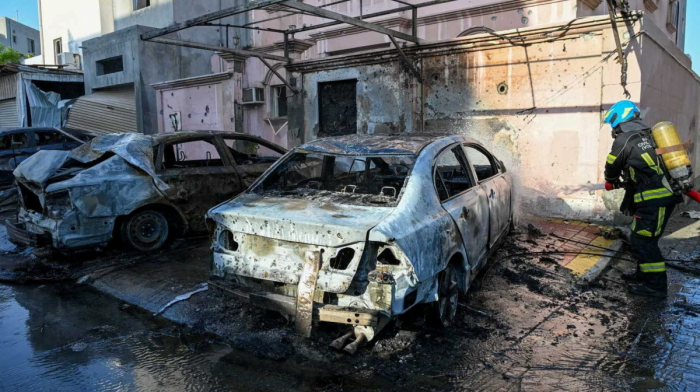
Saudi Arabia said it intercepted two Houthi ballistic missiles targeting Riyadh and three drones in its oil-rich Eastern Province on Sunday (15 November), as Iran's Revolutionary Guards claimed separate attacks on a U.S. military facility in Bahrain.
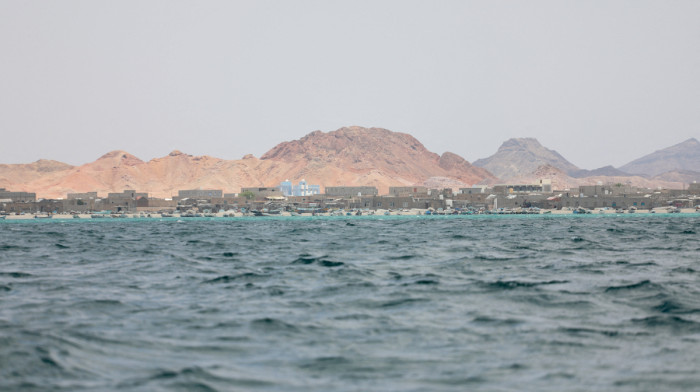
Yemeni forces fighting for the internationally recognised Saudi-backed government said on Sunday that they were withdrawing from an area overlooking the strategic Bab el-Mandeb Strait, leaving the Iran-aligned Houthis in control.
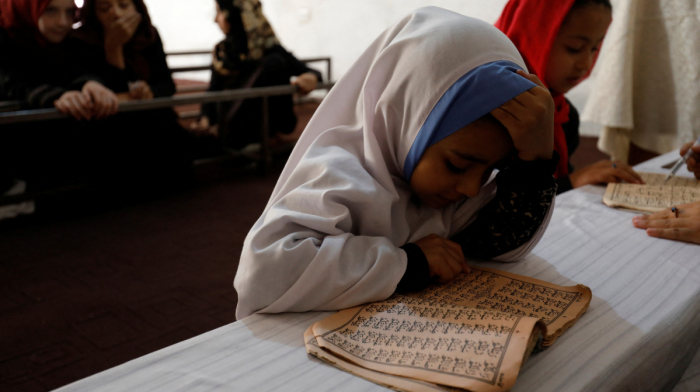
Afghanistan’s Ministry of Education has challenged a United Nations report on access to education, saying its findings do not reflect the full picture of the country’s education system.
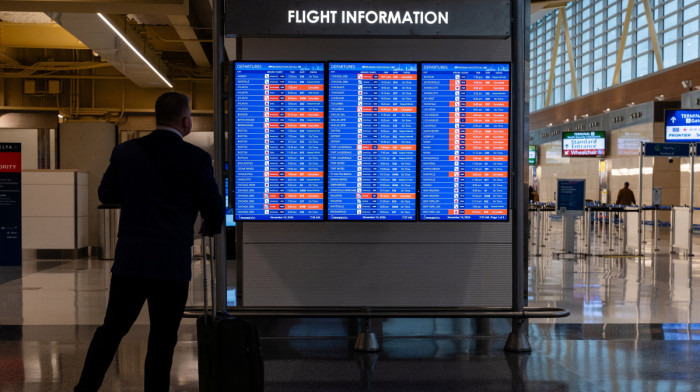
U.S. air travel is not expected to return to normal schedules until late on Sunday (15 November), the head of the FAA said, as the aviation system gradually recovers from a nationwide flight shutdown that officials blamed on routine maintenance gone awry.
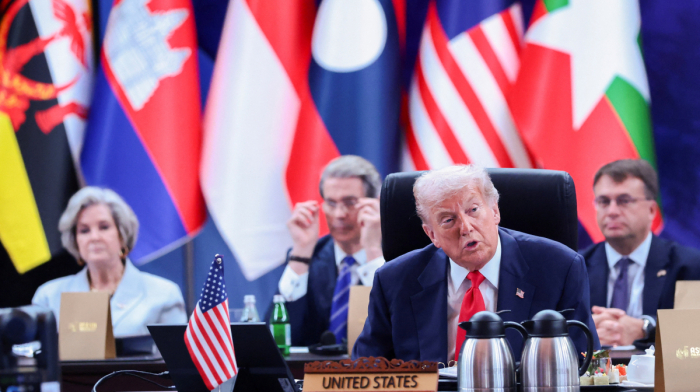
U.S. President Donald Trump is expected to arrive in Manila on Tuesday, 17 November, for a special summit with Southeast Asian leaders, as Washington seeks to strengthen regional economic and security ties amid trade tensions and growing competition with China.
Uzbekistan is in talks with Kazakhstan and Kyrgyzstan over a joint customs system aimed at cutting border delays and speeding up freight transport. The proposed ‘One Stop’ system would eliminate duplicate inspections and simplify procedures at selected crossings.
Bahrain has sentenced dozens of people, most of them Shia Muslim clerics, to life in prison over an alleged plot involving Iran’s Revolutionary Guards to overthrow the government, as rights groups raise concerns about torture and coerced confessions.
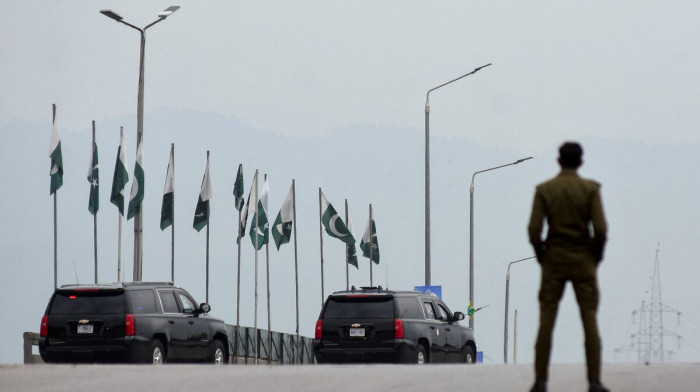
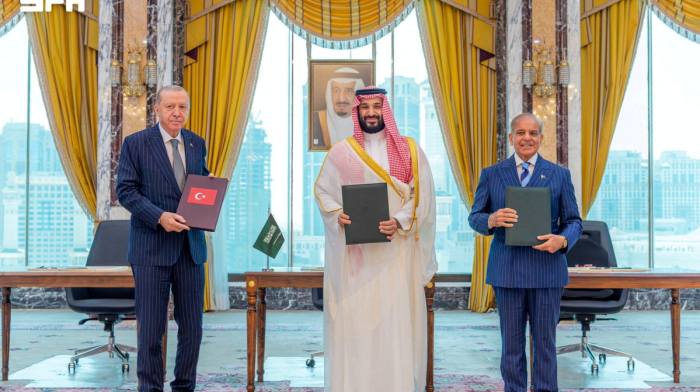
Türkiye has brought a trilateral defence pact with Pakistan and Saudi Arabia into force and signed a separate agreement with Qatar, as Ankara moves to strengthen its regional security partnerships.
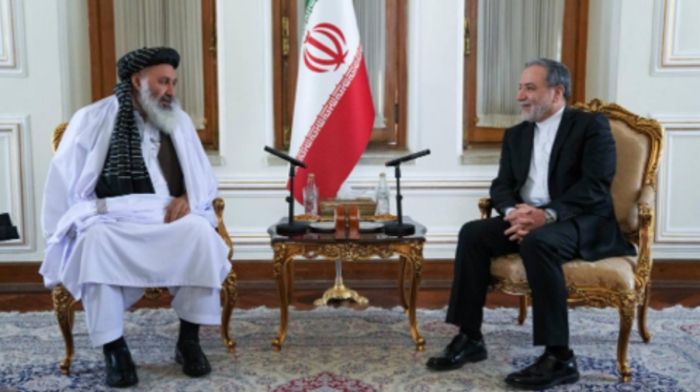
Afghanistan and Iran agreed to expand border facilities and operate customs around the clock during talks in Tehran on Sunday (15 November) between Afghan Finance Minister Mohammad Nasir Akhund and Iranian Foreign Minister Abbas Araghchi, as both countries seek to increase trade.
Gulf air defences have intercepted thousands of missiles and drones, but dwindling interceptor stocks are raising questions about how long that protection can last. New military agreements and closer regional cooperation could help, but significant gaps remain.
You can download the AnewZ application from Play Store and the App Store.
What is your opinion on this topic?
Leave the first comment