The treatment of some detainees in Georgia “has arguably reached the threshold of torture”, a probe into the country’s human rights situation backed by 23 OSCE members has found.
The report, published on Thursday (12 March) by the regional security organisation’s human rights office, said that “marked democratic backsliding” had taken place in Georgia during the period studied, from spring 2024 to the present.
Georgia’s government said it “vigorously” rejected the report’s findings, adding that the nearly 217-page document contained “serious factual inaccuracies, selective interpretations, and politically biased conclusions that fundamentally undermine its credibility and objectivity”.
An investigation into Georgia was triggered by 23 OSCE member states in January 2024 under the Moscow Mechanism, a tool for addressing concerns about human rights in OSCE countries.
With the permission of Tbilisi’s government, an OSCE investigator was dispatched to Georgia on a fact-finding mission. Professor Patrycja Grzebsk, the rapporteur, met with officials from government institutions during the visit.
The 23 OSCE countries that initiated the Moscow Mechanism, as well as Poland, released a joint statement on Thursday urging the Georgian government to carry out investigations into allegations of torture and to repeal legislation “incompatible with its international human rights obligations”.
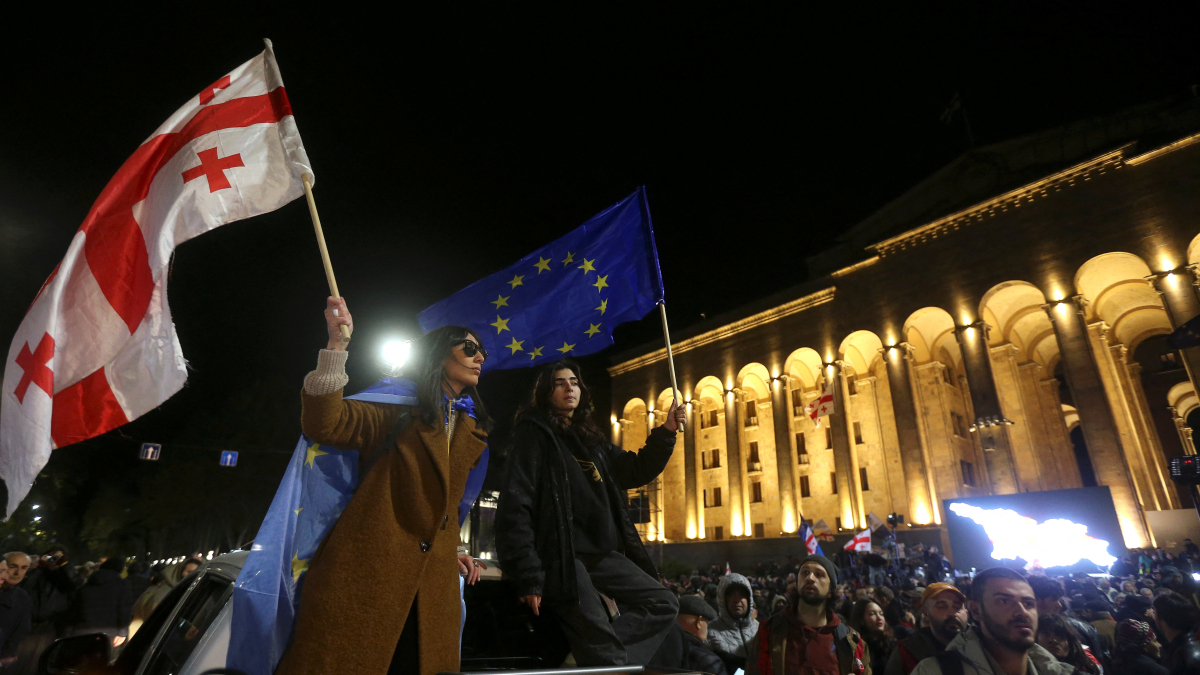
The statement specifically referenced the ruling Georgian Dream party’s 2025 foreign agents legislation, which requires NGOs and media organisations receiving more than 20% of their funding from abroad to register with the Ministry of Justice. The legislation, which opponents argue threatens independent NGOs and media, sparked large protests in Tbilisi.
Opposition bans
Georgia “should halt efforts to ban opposition political parties”, the statement, signed by OSCE countries including the UK, Canada, Denmark, and Sweden, added.
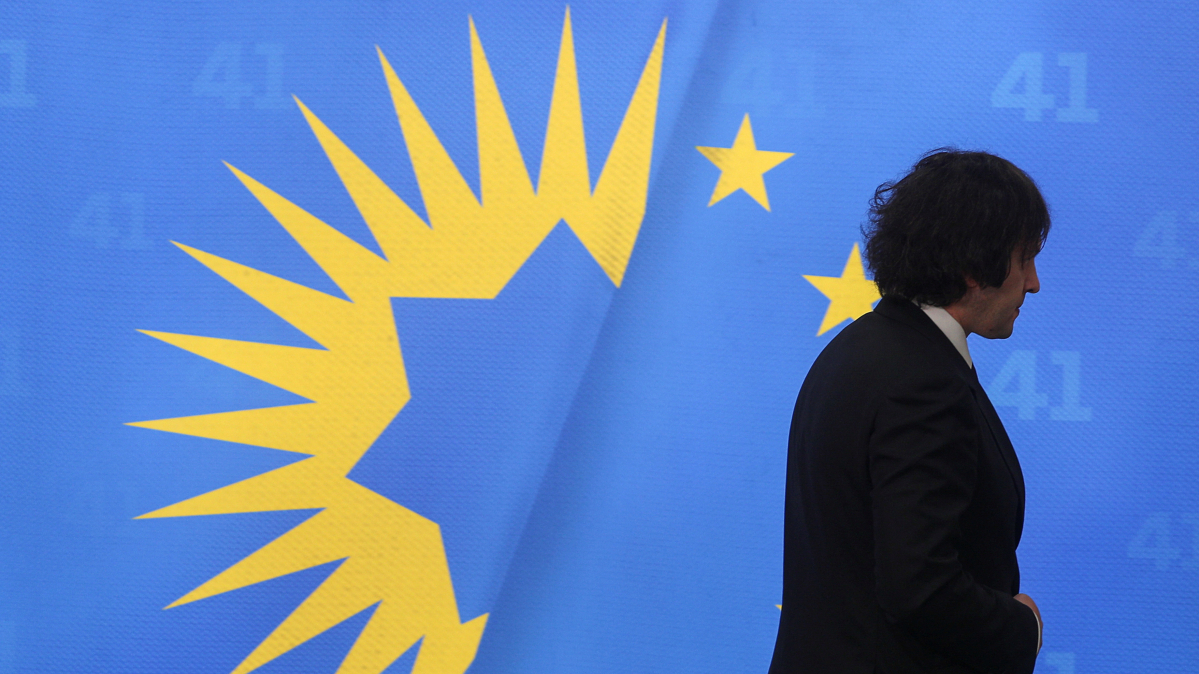
The ruling Georgian Dream party, which has governed the country of 3.9 million people since 2012, filed an appeal to ban several of the country’s main opposition parties with the Constitutional Court in October 2024.
These parties include the United National Movement, which pursued a pro-Western foreign policy during its nine-year rule between 2003 and 2012, as well as Ahli and Lelo.
Alexander Maisuradze, Georgia’s Permanent Representative to the OSCE in Vienna, urged the organisation’s 57 member states to disregard the findings of Professor Grzebsk’s report in a statement on Thursday.
“The Government of Georgia once again appeals to the OSCE and its participating states to give due consideration to the legal arguments provided by the Georgian authorities and to reject and distance themselves from the controversial findings and politically influenced recommendations advanced by the fact-finding mission in disregard of its mandate,” he said.


















What is your opinion on this topic?
Leave the first comment