Iran targets cargo ship in retaliation to attack on freighter
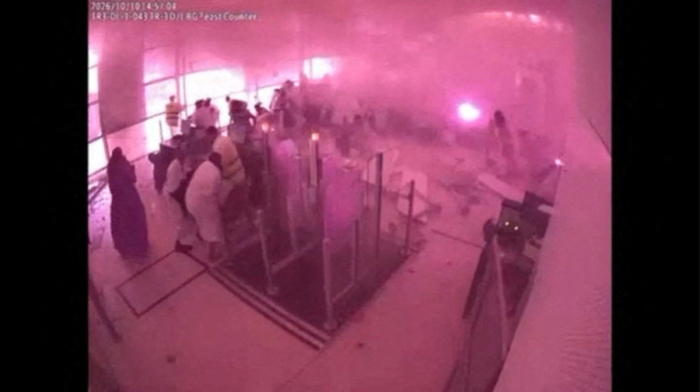
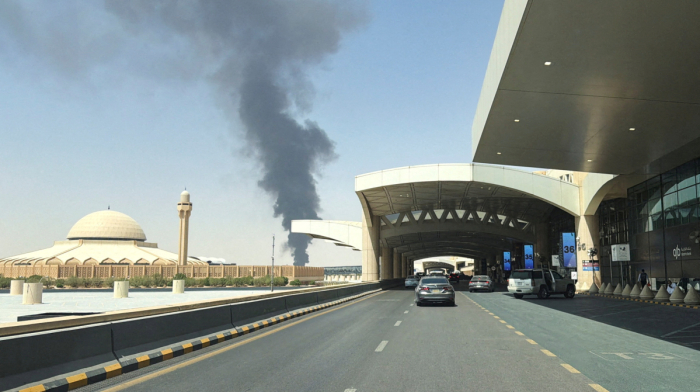
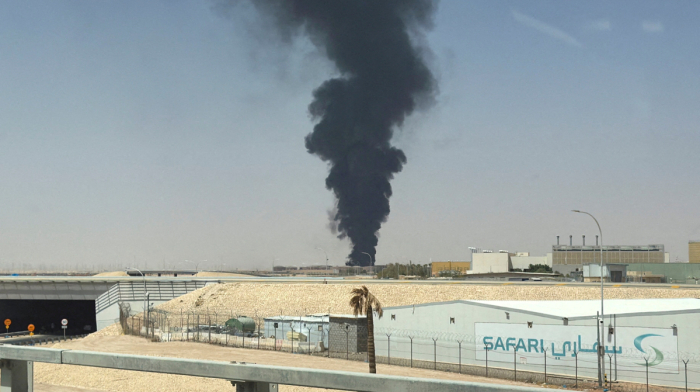
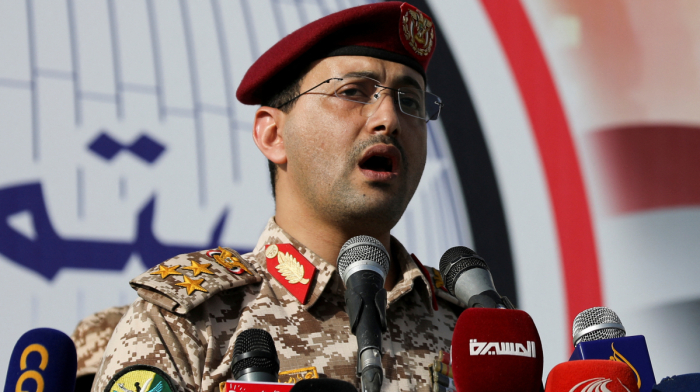
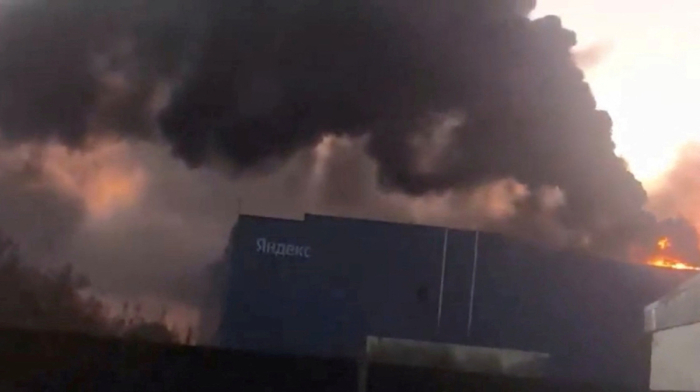
Iran’s Revolutionary Guards (IRGC) said they struck a cargo ship owned by the “American-Zionist enemy” with a cruise missile after an Iranian fr...
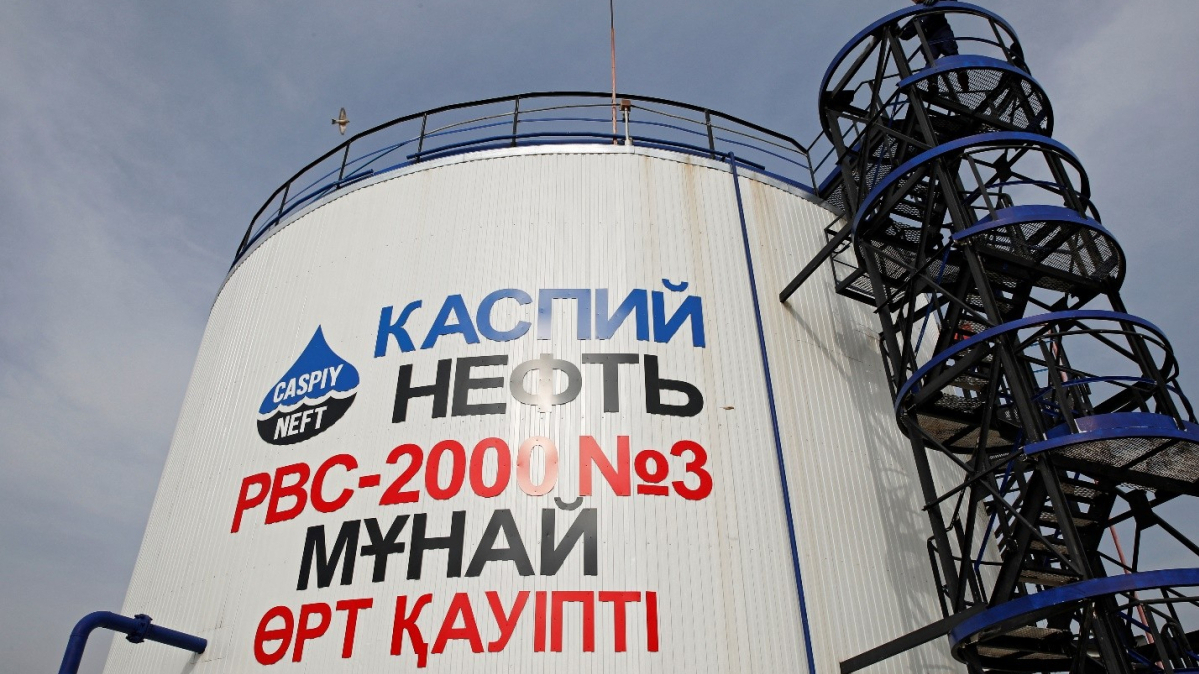
Kazakhstan has restored oil production after an accident at the Tengiz oil field briefly disrupted output last week, while also signalling its readiness to increase crude shipments through the Baku–Tbilisi–Ceyhan (BTC) pipeline.
Oil production recovered to around 290,000 tonnes per day following the disruption, Energy Minister Erlan Akkenzhenov said on Monday.
The accident at Tengiz caused output to fall to 39,000 tonnes on 28 May before production was restored on 31 May. Tengizchevroil, the field's operator, described the incident as a minor operational disruption at one of its production facilities and did not disclose further details.
Although the losses caused by the disruption cannot be fully recovered, Akkenzhenov said the incident did not prevent Kazakhstan from meeting its oil production target for May.
That was reflected in the country's overall production figures. According to an industry source, Kazakhstan's output of crude oil and gas condensate averaged 2.1 million barrels per day in May, compared with 2.16 million barrels per day in April.
Alongside the recovery in production, Kazakhstan is considering alternative routes for exporting its crude. Akkenzhenov said the country was evaluating all available export options and remained ready to increase shipments through the BTC pipeline.
Speaking on the sidelines of the Baku Energy Forum, the minister said Kazakhstan could raise supplies through the route within a short period. An agreement between the parties currently provides for shipments of 1.5 million tonnes of Kazakh oil per year, while the existing protocol allows volumes of up to 2.2 million tonnes.
Any increase, however, would depend on the economic viability of transportation. Akkenzhenov said negotiations between Azerbaijan's state oil company SOCAR and Kazakhstan's national oil and gas company KazMunayGas on tariff reductions would be an important factor in expanding shipments.
The minister also said Kazakhstan remained ready to resume oil supplies to Germany through the Druzhba pipeline after shipments were suspended in May for technical reasons.
According to Akkenzhenov, Kazakhstan is awaiting the restoration of the route's operational capability by its partners before exports can resume.

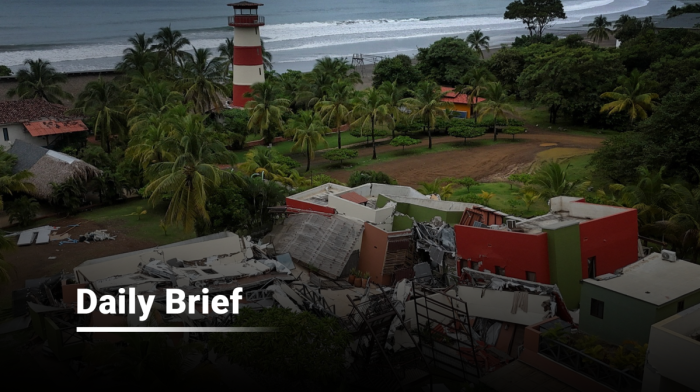
Okinawa lost transport links and suffered widespread power outages on Monday (1 June) as Severe Tropical Storm Jangmi brought destructive winds and heavy rain to Japan's south-western islands.
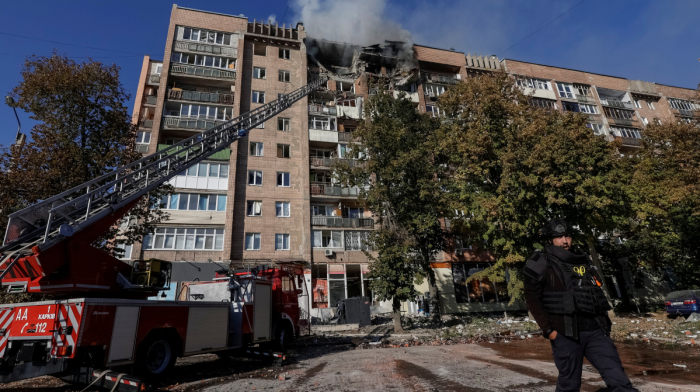
Competing narratives continue to shape perceptions of the war in Ukraine, with Russian leadership suggesting a possible end phase while Ukrainian officials warn of renewed large-scale attacks and ongoing escalation risks.
U.S. Secretary of State Marco Rubio has held talks with Lebanese President and Israeli Prime Minister on efforts to ease tensions between Israel and Lebanon. According to a U.S. official, Washington has proposed a plan aimed at achieving a gradual de-escalation of hostilities.
When Armenians vote on 7 June, they will be voting in an election shaped by months of political change and a rapidly deepening relationship with the European Union. The result may not only determine who governs Armenia but also the future direction of the country's geopolitical alignment.
Unsealed records from the U.S. Department of Justice have renewed scrutiny of lawyer Robert Amsterdam after documents revealed communications between his law firm and Jeffrey Epstein's office. The disclosures have drawn attention because of Amsterdam's prominent role in Armenia.
Baku has once again become a focal point for international energy diplomacy, investment and strategic cooperation, as Baku Energy Week brings together policymakers, industry leaders and investors from around the world.
A launch ceremony marking the commissioning of the modernised Baku-Tbilisi-Kars (BTK) railway line was held at Akhalkalaki station in Georgia on 2 June, bringing together senior officials from Azerbaijan, Georgia and Türkiye.
Baku Energy Week has opened in Azerbaijan, bringing together global energy leaders to discuss energy security, green energy and regional cooperation, underscoring the country's growing strategic role in Eurasian connectivity.
When Armenians vote on 7 June, they will be voting in an election shaped by months of political change and a rapidly deepening relationship with the European Union. The result may not only determine who governs Armenia but also the future direction of the country's geopolitical alignment.
Kazakhstan is open to expanding its oil export routes through Azerbaijan and advancing joint energy infrastructure projects across the Caspian region, Energy Minister Yerlan Akkenzhenov told AnewZ in an exclusive interview in Baku.
You can download the AnewZ application from Play Store and the App Store.
What is your opinion on this topic?
Leave the first comment