As Russian officials praise Georgia’s “pragmatic” approach towards Moscow, Prime Minister Irakli Kobakhidze has explained why he will not describe Russia as an “enemy”.
A series of statements by senior Russian and Georgian officials in recent days has highlighted the state of relations between Moscow and Tbilisi.
Dmitry Medvedev, deputy chairman of Russia’s Security Council, marked the anniversary of the 2008 war by praising Tbilisi’s current “pragmatic policy” while accusing the West of “ingrained Russophobia”.
Russian Deputy Foreign Minister Mikhail Galuzin then said Moscow was ready to expand “pragmatic ties” with Georgia, arguing that cooperation, rather than confrontation, offered a path towards the country’s development.
Kobakhidze has now addressed the issue directly, explaining why he will not describe Russia as an enemy.
What Kobakhidze actually said
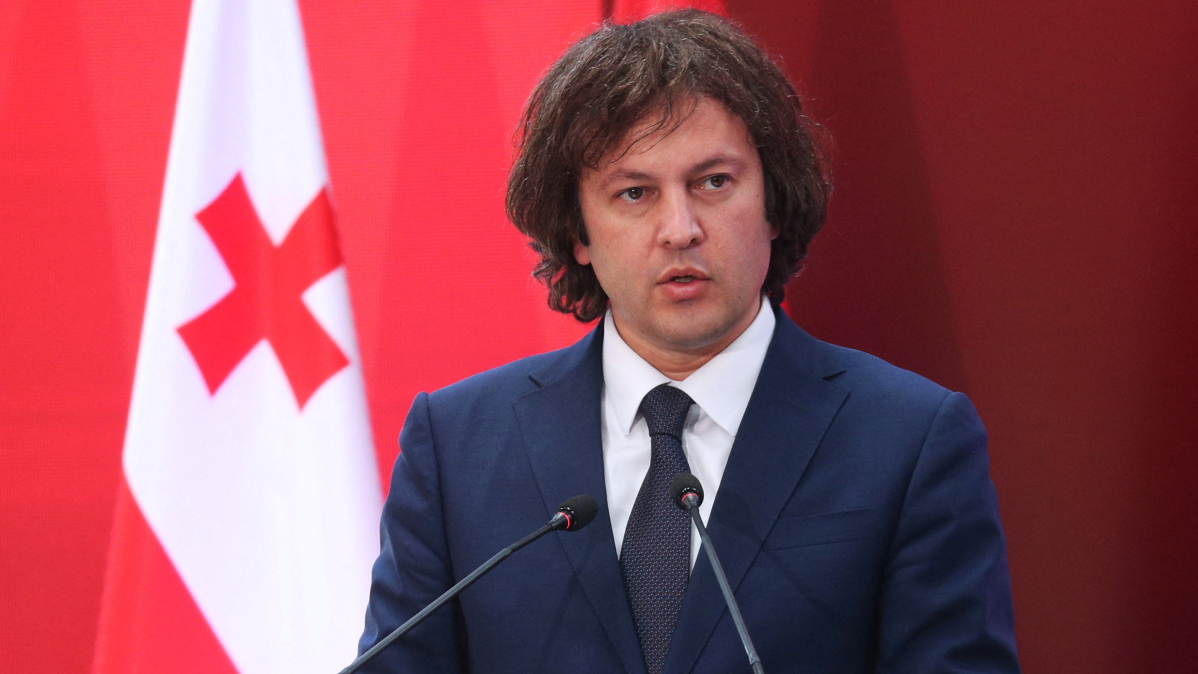
Asked directly by a journalist whether Russia is Georgia’s enemy, Kobakhidze rejected the premise of the question.“Your shameful questions, you are ridiculous,” he said, before explaining that calling Russia an enemy is “a specific political statement, which must then be followed by specific steps” - the kind of steps, he added pointedly, that the opposition United National Movement took “in 2008 and before that.”
When the journalist pressed further, asking if this was the reason he avoids the word, Kobakhidze replied: “Of course, should I repeat it again?!”
Kobakhidze also reiterated Georgia’s official position on the territories under Russian control. Russia occupies 20 per cent of Georgian territory, he said, calling it “a blatant crime” and “a fact” that doesn’t need questioning.
His comments indicate that the government is drawing a distinction between its position on Russia’s presence in Georgian territory and the political implications of formally describing Moscow as an enemy. Kobakhidze argued that using the term would create an expectation of further action.
Why the langaguage matters
Kobakhidze’s remarks suggest that avoiding the term “enemy” is a deliberate political choice intended to prevent further escalation with Moscow.
The comments also come against the backdrop of statements from senior Russian officials praising what they describe as the Georgian government’s pragmatic approach.
Medvedev specifically praised the “pragmatic policy” of the current Tbilisi government, contrasting it with what he called the damage done by the “criminal regime” that came before.
Galuzin used similar language, calling for expanded “pragmatic ties” and framing cooperation with Russia, rather thanconfrontation, as Georgia’s path towards development.
Taken together, the remarks highlight an apparent convergence in the language being used by Moscow and Tbilisi, with Russian officials welcoming what they view as Georgia’s pragmatic approach and Kobakhidze making clear that his government does not intend to adopt rhetoric that could imply further action against Russia.
The bigger picture
The statements do not change Georgia’s official position on Russia’s military presence. The Georgian government continues to state publicly that Russia occupies a fifth of the country’s territory.
The distinction instead lies in how the government characterises its relationship with Moscow and the political consequences Kobakhidze associates with describing Russia as an enemy.
The comments come as Georgia marks 18 years since the 2008 war with Russia, while senior Russian officials publicly praise what they describe as the current Georgian government’s restraint and pragmatic approach.










What is your opinion on this topic?
Leave the first comment