Georgia’s only oil refinery will stop using Russian crude oil by September to preserve access to Western markets, its operator has said.
Shift away from Russian crude
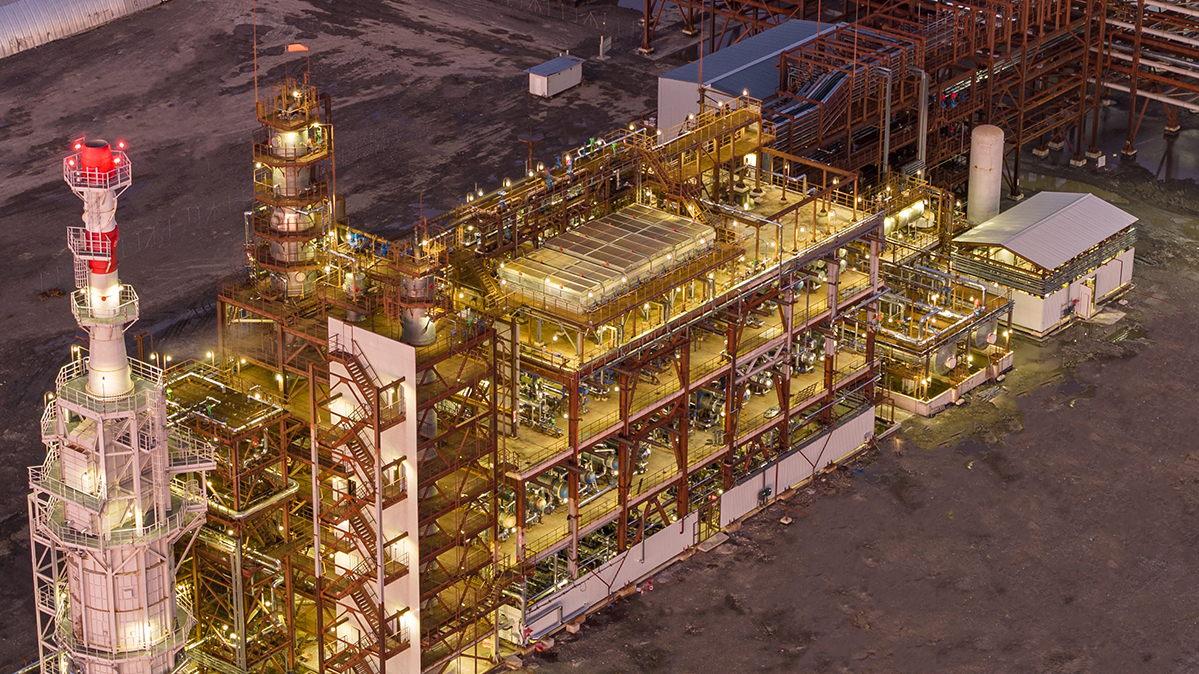
Black Sea Petroleum announced on Wednesday that the Kulevi Oil Refinery, near Poti on the Black Sea coast, will refine only crude oil of “non-Russian origin” from the start of autumn.
“This will open doors to high-margin markets,” it said. Black Sea Petroleum added that it continued to “develop the plant in accordance with its strategic plan and to make a significant contribution to Georgia's economic development.”
The Kulevi Oil Refinery, which opened in October 2025 and is owned by Georgian businesswoman Maka Asatiani, processed 650,000 metric tonnes of crude oil in the first half of 2026.
It is part of the wider Kulevi industrial complex, which includes the older Kulevi Oil Terminal and Sea Port, operated by Azerbaijan’s state oil company SOCAR.
EU sanctions concerns
The European Union (EU) proposed sanctioning the Kulevi Oil Terminal and Sea Port in February over concerns that the port was facilitating Russian oil exports.
The EU released few specific details. However, the bloc’s sanctions envoy, David O’Sullivan, referred to “calls by shadow fleet tankers” at Kulevi Port.
Russia’s shadow fleet is a network of ageing merchant vessels used by Moscow to evade Western sanctions aimed at restricting the country’s oil exports.
However, the oil terminal and port ultimately avoided inclusion in the EU’s 20th sanctions package against Russia after Brussels accepted commitments from Georgia and SOCAR not to allow vessels subject to EU sanctions to enter the port.
The Kulevi Oil Terminal and Sea Port was completed in late 2007 and began operations in 2008.
Expansion plans
Black Sea Petroleum CEO David Potskhveria said in March that the refinery planned to replace Russian crude with supplies from Turkmenistan and Kazakhstan.
In its statement on Wednesday, the company said it would begin producing road bitumen for the domestic market and for export from the first quarter of 2027. By the second quarter of 2027, it expects to be able to produce aviation fuel.
The firm also said it was deepening its partnership with American technology giant Honeywell to supply high-tech equipment and automated control systems.



















What is your opinion on this topic?
Leave the first comment