The suspension of two major grain terminals in Russia’s Black Sea port of Novorossiysk could increase pressure on Kazakhstan’s agricultural market if Russian exporters divert supplies to Central Asia at discounted prices.
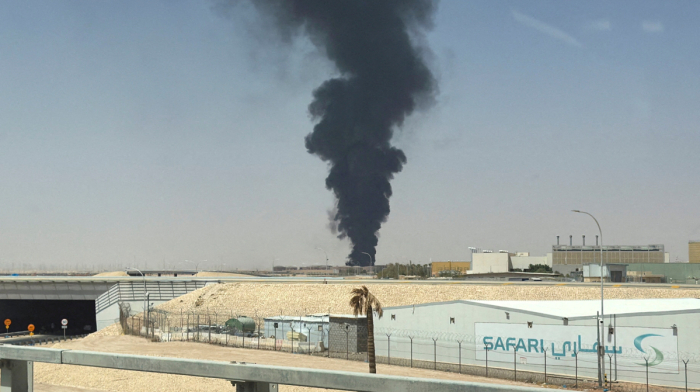
The two terminals suspended operations following an overnight drone attack, Reuters reported. Together, they have an annual handling capacity of 15.6 million tonnes: one can handle 8.5 million tonnes a year and the other 7.1 million tonnes.
If disruption to Black Sea exports persists, Russian producers may have to find alternative markets for part of their agricultural output. Kazakhstan, with its proximity to Russia and established trade links, could become a key destination for some of these supplies.
Pressure on Kazakh farmers
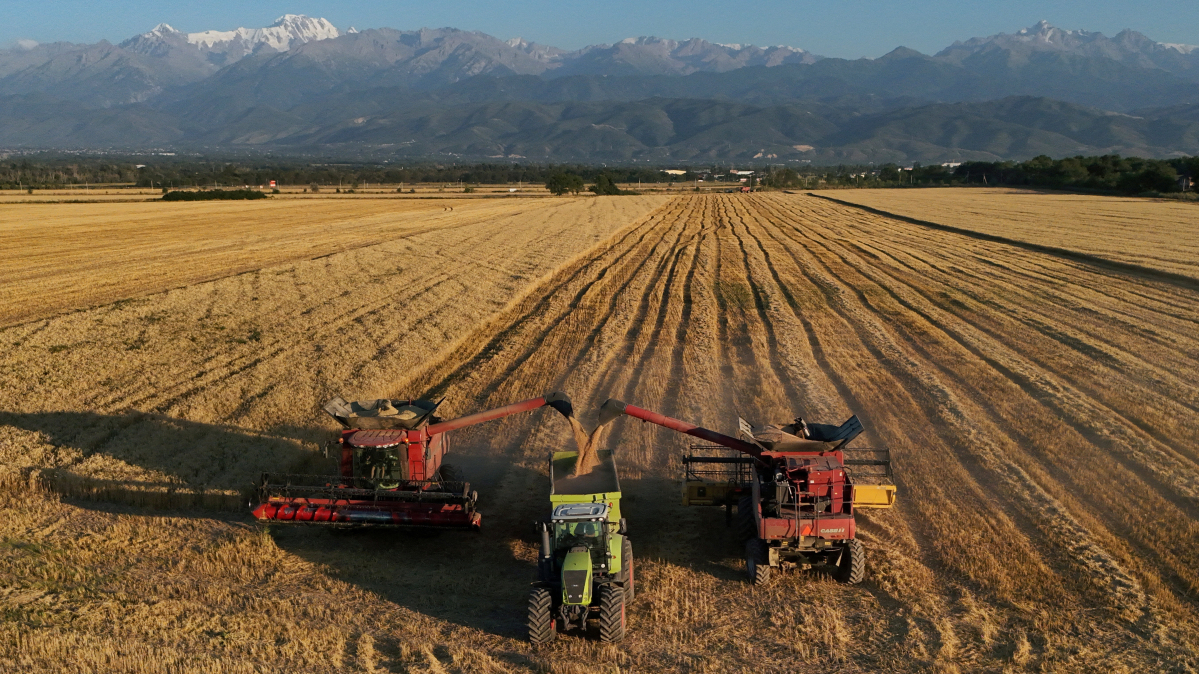
Yevgeny Karabanov, head of the analytics committee at the Grain Union of Kazakhstan, said an increase in Russian agricultural supplies could intensify competition in Kazakhstan and other Central Asian markets. Suppliers seeking to clear accumulated stocks could offer substantial discounts, he said.
For Kazakh farmers, this could mean further downward pressure on purchase prices. The Grain Union had previously forecast that Kazakhstan could import around one million tonnes of Russian wheat during the season, meaning the domestic market was already expected to absorb significant volumes from its northern neighbour.
Impact beyond wheat
The potential impact extends beyond wheat. Karabanov identified barley, sunflower, flax, rapeseed and safflower seeds, as well as flour, bran, vegetable oils, meals and oilcakes, among the products that could face greater competitive pressure if more Russian supplies are redirected to Central Asia.
What it means for prices
The situation could create contrasting price pressures in Kazakhstan. Restrictions on Russian and Ukrainian exports through the Black Sea could push international food prices higher by reducing the amount of produce available to global buyers.
Yet a diversion of Russian agricultural products to Central Asia could have the opposite effect within Kazakhstan, increasing supply and pushing domestic prices lower.
For consumers, greater supply could mean cheaper raw materials and potentially lower prices for some food products. For Kazakh farmers and agricultural producers, however, falling purchase prices could reduce revenues and squeeze margins, particularly if discounted Russian products remain on the market for an extended period.
For now, the prospect remains a potential scenario rather than an established trend. The scale of any impact will largely depend on how long the Novorossiysk terminals remain out of operation and what happens to Russian exports through the Black Sea.
A prolonged disruption could give Russian exporters a stronger incentive to seek alternative markets in Central Asia, potentially intensifying competition and putting further pressure on Kazakhstan’s agricultural sector.



















What is your opinion on this topic?
Leave the first comment