Ukraine has agreed to refrain from targeting certain tankers using Russia’s Black Sea port of Novorossiysk following a request from U.S. Vice President JD Vance, the Financial Times reported, although Kyiv has continued strikes on Russian targets at the port.
Strikes on Novorossiysk continue
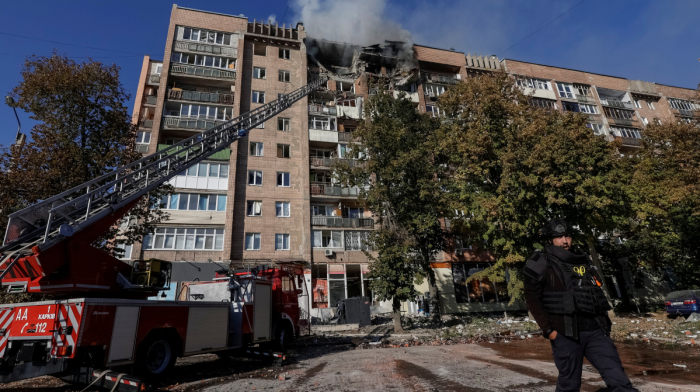
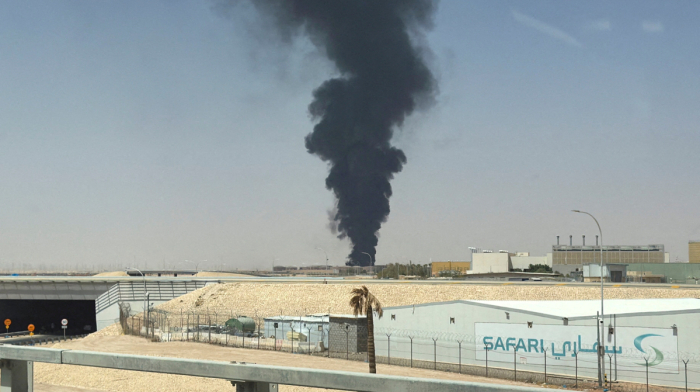
The reported agreement does not amount to a halt in Ukrainian attacks on Novorossiysk. The Russian Black Sea port came under a major Ukrainian attack overnight on 12 August, with Russian authorities reporting a large-scale drone assault and Ukrainian sources saying military targets were struck.
The distinction is significant because the Financial Times report relates specifically to attacks affecting tankers carrying Kazakh crude and infrastructure linked to the Caspian Pipeline Consortium (CPC), rather than a broader Ukrainian commitment to stop striking Russian military and energy targets in the Novorossiysk area.
The request, made last month, followed concerns in Washington that attacks on tankers carrying Kazakh crude could destabilise oil markets and harm U.S. companies. The oil is transported from Kazakhstan through the CPC to its terminal near Novorossiysk.
According to the Financial Times, Ukraine agreed not to target CPC infrastructure or vessels with no links to Russia, provided they are not under Ukrainian sanctions and are not carrying Russian oil or other Russian cargo.
The move comes as Ukrainian forces have intensified strikes on Russian energy infrastructure and other facilities. Kyiv says the attacks are aimed at depriving Moscow of resources used to finance its military operations.
In the Black Sea, however, the strikes have had an impact beyond Russian interests, disrupting Kazakhstan’s oil exports and affecting Western energy companies with significant investments in the country.
CPC shipments disrupted
The scale of the disruption became particularly apparent in July. Drone attacks in the Black Sea reduced CPC oil-loading volumes by as much as 20 per cent, according to Reuters, while earlier strikes affecting operations around Novorossiysk disrupted loading and forced Kazakhstan to temporarily restrict the amount of crude transported through the route.
The disruption also affected production. Kazakhstan cut oil output by 14 per cent in July compared with June, according to sources, underscoring the country’s reliance on the CPC for access to international markets.
More than 80 per cent of Kazakhstan’s oil exports are transported through the CPC, making it the country’s principal crude export route. Although the terminal is located on Russia’s Black Sea coast, the system is crucial to Kazakhstan’s oil industry, with any disruption potentially affecting its ability to maintain exports.
U.S. energy companies have major stakes
The route is also important to U.S. energy companies. Chevron and ExxonMobil participate in the CPC project and are major investors in Kazakhstan’s oil sector. Chevron holds a 50 per cent stake in the Tengiz oilfield, while ExxonMobil owns 25 per cent.
Kazakhstan seeks alternative export routes
The repeated disruption of the CPC has added urgency to Kazakhstan’s efforts to diversify its export routes. The country has been seeking to redirect part of its crude through alternative corridors, including the Baku-Tbilisi-Ceyhan pipeline, shipments across the Caspian Sea through Azerbaijan and the Baku-Supsa route.
For now, however, those alternatives remain limited compared with the CPC. According to Kazakhstan’s Energy Ministry, around 1.2 million tonnes of Kazakh oil are transported through the Baku-Tbilisi-Ceyhan pipeline each year. Azerbaijan has said it is ready to increase that volume to 2.2 million tonnes.
Read more:












What is your opinion on this topic?
Leave the first comment