Protest outside Azerbaijani Embassy in London features Iranian flags and hijab placards
Demonstrators carrying Iranian flags and placards supporting the hijab gathered outside the Azerbaijani Embassy...
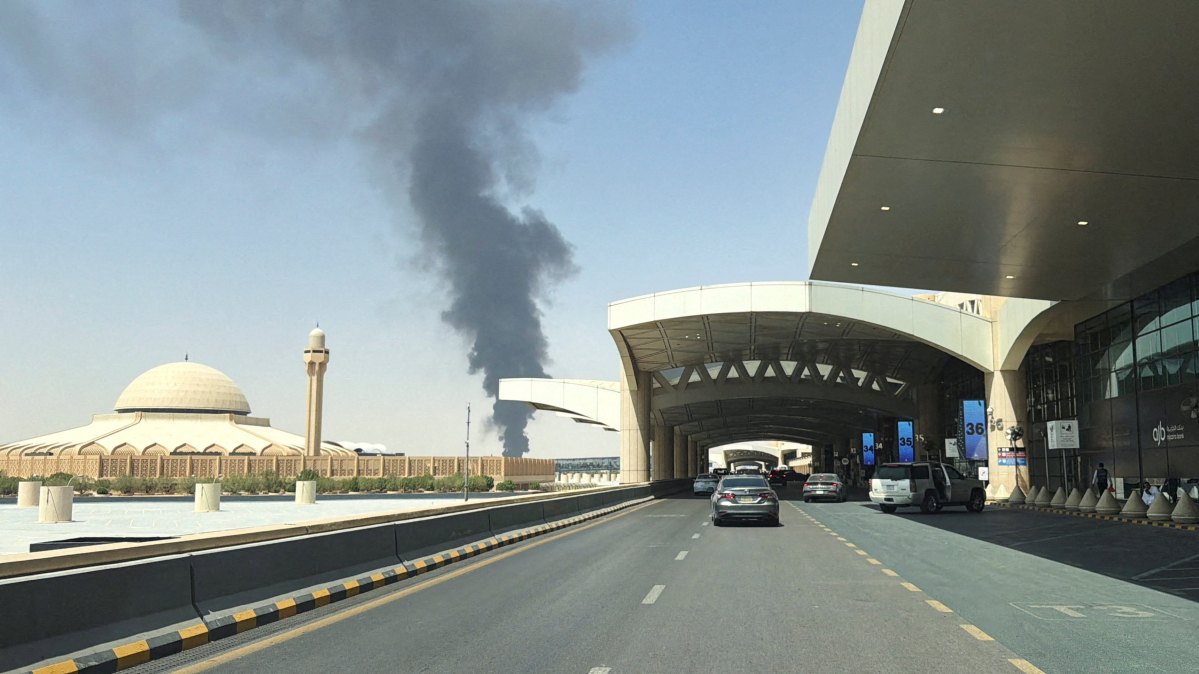
The explosion at King Khalid International Airport in Riyadh on Saturday afternoon killed at least 12 people and injured a further 309, according to Saudi Arabia’s Civil Aviation Authority. The airport remains closed until further notice.
“King Khalid International Airport was targeted by an attack, amid continued attacks targeting civilian aviation facilities in the kingdom,” the General Authority of Civil Aviation said in a statement.
“The attack resulted in 12 fatalities”, leaving 309 injured.
AnewZ’s special correspondent Sabir Safarov in Riyadh has provided footage from the scene. The footage has been used by major international media outlets, including the BBC and Al Jazeera.
The incident comes amid a heightened security situation following recent attacks claimed by the Houthis, with airport facilities and civilian aviation increasingly caught up in the wider conflict.
On 8 October, two attacks reportedly targeted airport infrastructure and an aircraft belonging to Saudi Arabia’s national carrier. Saudi aviation authorities said three Saudi citizens were killed, including a pilot.
The attacks also triggered widespread disruption to air travel, with nearly 300 scheduled arrivals and departures cancelled or unable to operate on Thursday. Several international airlines have since suspended flights to Riyadh amid growing concerns over the security situation.
The risks extend beyond Saudi Arabia. The European Union Aviation Safety Agency has expanded its warnings about the dangers of operating flights through Saudi airspace, reflecting growing unease about the regional conflict's potential impact on commercial aviation.
Several Western diplomatic missions in Riyadh, including those representing Germany, the United States, Canada and Spain, advised their nationals to stay away from the airport.
Speaking to reporters at the White House, U.S. President Donald Trump said the United States will soon decide on joining Saudi Arabia in striking Houthis.
“We may. We're going to look at it. We just found out about the recent attack, so we'll make a decision,” Trump said. “We move very quickly.”
The Middle East conflict remains tense as diplomatic efforts continue alongside renewed Houthi attacks. Iran says it remains open to mediation, while the Saudi-led coalition says it intercepted a ballistic missile fired towards the kingdom.
Rescuers searched the wreckage of two high-speed trains in central Spain on Thursday as the death toll rose to a provisional 74, making it the country's second fatal high-speed rail disaster this year.
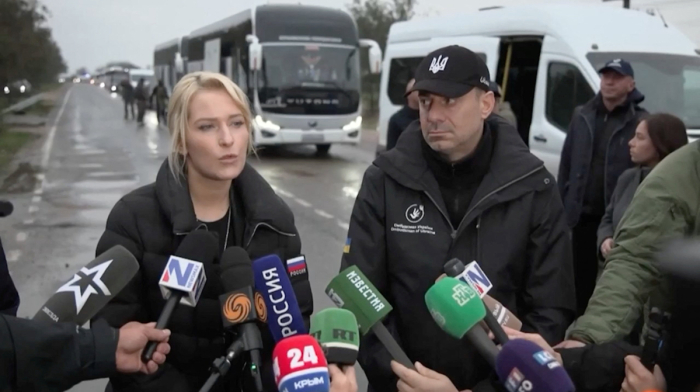
Evacuations and the provision of humanitarian aid in the Russian-occupied southern Ukrainian town of Oleshky have begun, a senior Ukrainian official said on Friday. In a statement on Telegram, David Arakhamia said a six-day ceasefire was holding, and that more details would follow.
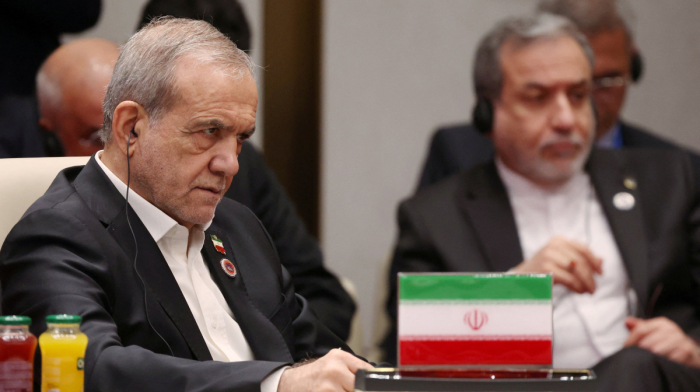
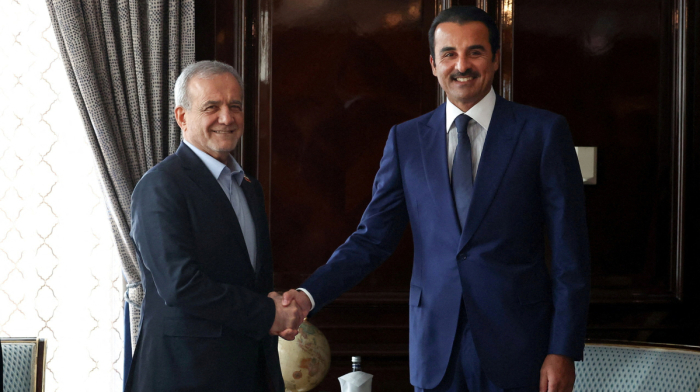
Qatari mediators returned to Tehran on Friday as part of efforts to reach a deal between the U.S. and Iran, according to an official briefed on the talks.
UN human rights experts comprising a group including Special Rapporteurs and independent experts who are part of the UN Human Rights Council, have criticised French authorities over their handling of nationwide student protests.
Demonstrators carrying Iranian flags and placards supporting the hijab gathered outside the Azerbaijani Embassy in London.
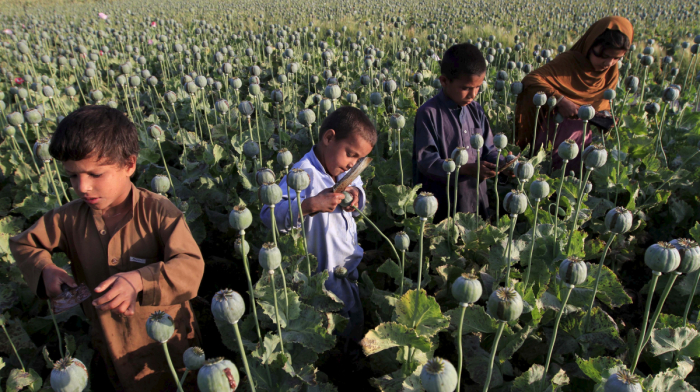
Opium poppy cultivation in Afghanistan surged by 330 per cent in 2026 despite a four-year ban, the United Nations said on Thursday. Afghan authorities disputed the findings, while Japan urged continued support for farmers seeking alternative livelihoods.
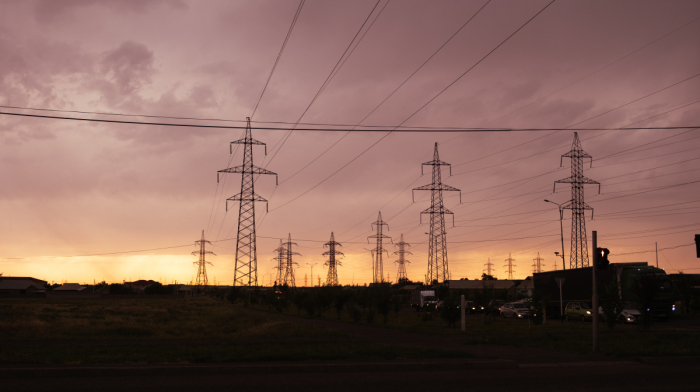
Central Asia could gain up to $640 million a year from closer energy cooperation, but strained electricity grids threaten to limit those gains, with Kazakhstan particularly exposed to regional power shortages and growing pressure on its network.
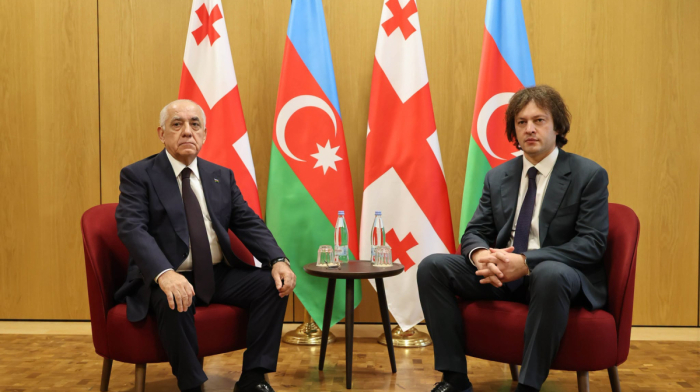
Georgia and Azerbaijan are stepping up efforts to boost trade, strengthen transport links between Asia and Europe and resolve a longstanding border dispute, as both countries seek to deepen their strategic partnership.
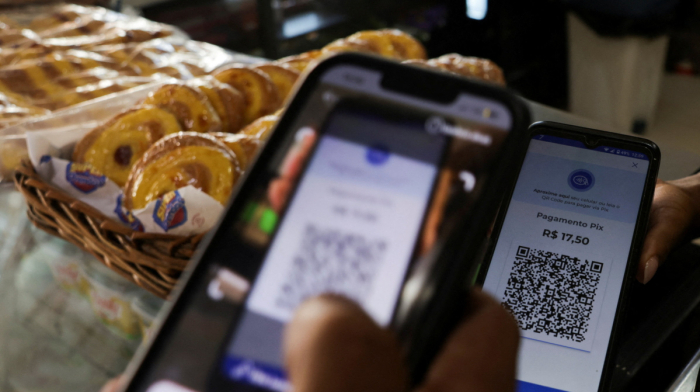
People travelling between Uzbekistan, Kazakhstan, Kyrgyzstan, Tajikistan and Azerbaijan could soon be able to pay for purchases using their usual banking apps. Central banks from the five countries are working on linking their national payment systems.
You can download the AnewZ application from Play Store and the App Store.
What is your opinion on this topic?
Leave the first comment