Ukraine has warned that its ability to defend against Russian missile attacks is weakening as Moscow appears to be expanding its missile arsenal ahead of a possible winter campaign targeting critical infrastructure.
President Volodymyr Zelenskyy said Kyiv received only around a third of the anti-ballistic missile interceptors in the first half of 2026 compared with the same period last year, highlighting growing pressure on Ukraine's air defence network.
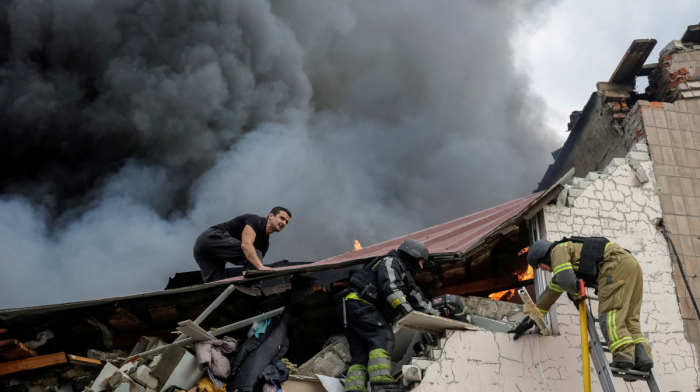
The shortage was brought into sharp focus this week when Russia launched 24 ballistic missiles that Ukraine was unable to intercept before impact.
Speaking during a meeting with British Defence Secretary Wes Streeting in Kyiv, Zelenskyy said Ukraine's military assessment suggested Russia was not only continuing missile production but accelerating it.
"They don't want to stop," Zelenskyy said, warning that Moscow is likely to increase the production of ballistic missiles and continue escalating attacks.
Fears of a winter campaign
Ukrainian officials believe Russia may be preparing for another winter offensive against the country's energy infrastructure, a strategy that has previously left millions without reliable electricity, heating and water supplies during the coldest months of the year.
According to Kyiv's estimates, Russia launched major attacks against Ukraine every few days throughout last month, maintaining pressure on both military and civilian targets.
Officials fear that a growing Russian missile stockpile, combined with declining interceptor supplies, could make future attacks more difficult to counter.
Air defence systems such as the U.S.-made Patriot have become a cornerstone of Ukraine's ability to intercept advanced ballistic missiles, but stocks of interceptor missiles remain limited.
Ukraine seeks urgent support
Zelenskyy has stepped up efforts to secure additional air defence assistance from allies.
On Wednesday, he spoke with NATO Secretary General Mark Rutte about obtaining more interceptors from countries with missiles available for transfer. The Ukrainian president called for bureaucratic barriers to be removed to speed up deliveries.
Rutte said he continues to discuss Ukraine's urgent air defence requirements with NATO members.
The European Union has already committed more than $100 billion in financial assistance to Ukraine since the start of the conflict, but Ukrainian officials argue that immediate military support remains essential as Russian attacks intensify.
Patriot production under discussion
Ukraine is also exploring longer-term solutions to reduce its dependence on foreign stockpiles..
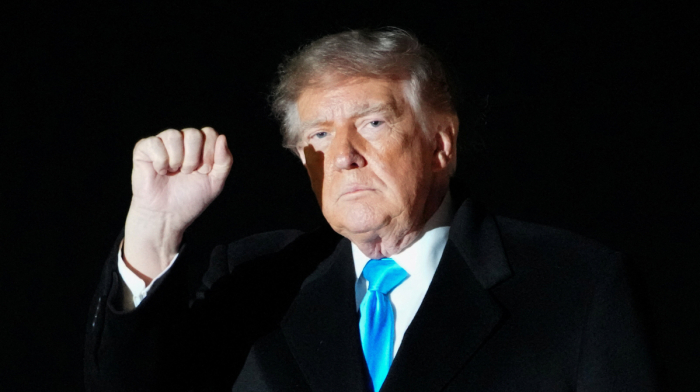
Following the NATO summit in July, U.S. President Donald Trump suggested Ukraine could eventually produce Patriot missiles domestically. However, he stressed that no final decision had been taken.
Several options are reportedly under consideration, including allowing Ukraine to manufacture components for final assembly in Germany, integrating Kyiv into an existing U.S.-European production programme, or granting a licence to produce a lower-cost variant of the Patriot PAC-3 interceptor.
Even if an agreement is reached, analysts say it could take at least a year before any Ukraine-produced interceptors become available.
That means Kyiv remains heavily reliant on immediate support from Western allies as it prepares for what officials fear could be another difficult winter of missile attacks on the country's energy infrastructure.









What is your opinion on this topic?
Leave the first comment