Ukraine has received only about one-third as many air-defence missile interceptors from its allies in 2026 as it did in 2025, President Volodymyr Zelenskyy said, as intensified Russian attacks expose widening gaps in the country's air defences.
Ukraine's shortage of air-defence interceptors was highlighted on Wednesday, when its air defences failed to intercept any of the 24 ballistic missiles and four Zircon cruise missiles launched by Russia, according to the Ukrainian Air Force.
Interceptor supplies fall sharply
Ukraine's shortage of air-defence interceptors was highlighted on Wednesday, when its air defences failed to intercept any of the 24 ballistic missiles and four Zircon cruise missiles launched by Russia, according to the Ukrainian Air Force.
“Since the beginning of 2026, Ukraine started receiving just a third of the anti-ballistic missiles,” Zelenskyy said during a meeting in Kyiv with UK Defence Secretary Wes Streeting.
Ukraine has faced shortages of U.S.-made Patriot interceptors, which are among the few weapons capable of destroying Russian ballistic missiles, since the start of the war.
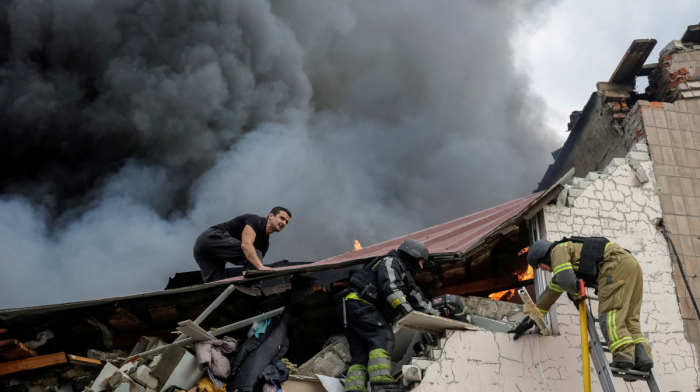
However, the shortage has become particularly acute in recent weeks as Moscow has intensified attacks on Kyiv and a major southern port hub. The Ukrainian capital was struck, on average, once every three days during July.
The latest Russian attack illustrated the consequences of dwindling supplies, with Ukrainian forces unable to intercept any of the ballistic or Zircon missiles used in the barrage.
Zelenskyy warns of increased Russian production
During his meeting with Streeting, Zelenskyy warned that Russia was unlikely to scale back its attacks and could significantly increase ballistic missile production ahead of winter.
“They don’t want to stop, and I think that they want to continue and increase escalation using ballistic missiles,” Zelenskyy said.
“We estimate that they will increase the production of such ballistic missiles.”
The Ukrainian president said strengthening protection against ballistic missiles was now one of Kyiv's top priorities. Ukraine was relying on both immediate assistance from its partners and the development of its own defensive capabilities, he added.
Streeting, who became the UK's Defence Secretary in July, was making his first visit to Ukraine since taking office.
Kyiv urges allies to release available missiles
Zelenskyy also spoke with NATO Secretary General Mark Rutte about securing additional interceptor missiles from countries with stockpiles available for transfer.
The Ukrainian leader called for bureaucratic obstacles to be removed and urged partners to make the political decisions needed to release the missiles.
Rutte said he was working with NATO members and other partners to meet Ukraine's urgent air-defence needs.
The two leaders also coordinated efforts with countries that have suitable missile stockpiles and the ability to transfer them to Ukraine.
Patriot production talks continue
The U.S. is continuing discussions on allowing Ukraine to participate in the production of Patriot Advanced Capability-3 (PAC-3) interceptors, despite President Donald Trump recently expressing doubts about the proposal.
Options under consideration include manufacturing some components in Ukraine before final assembly in Germany, adding Kyiv to an existing U.S.-European production programme, or allowing Ukraine to manufacture a less expensive variant of the PAC-3.
Even if an agreement is reached, officials and defence experts say the first missiles are unlikely to become available for at least a year because establishing new production lines, licensing arrangements and supply chains will take time.
Ukraine will therefore remain dependent on immediate transfers from allied stockpiles as Russia continues to expand its use of ballistic missiles.











What is your opinion on this topic?
Leave the first comment