France was hit by fresh nationwide strikes and protests on Tuesday, 17 November, as public sector workers, students and trade unions demanded higher pay, better working conditions and action to ease the cost-of-living crisis.
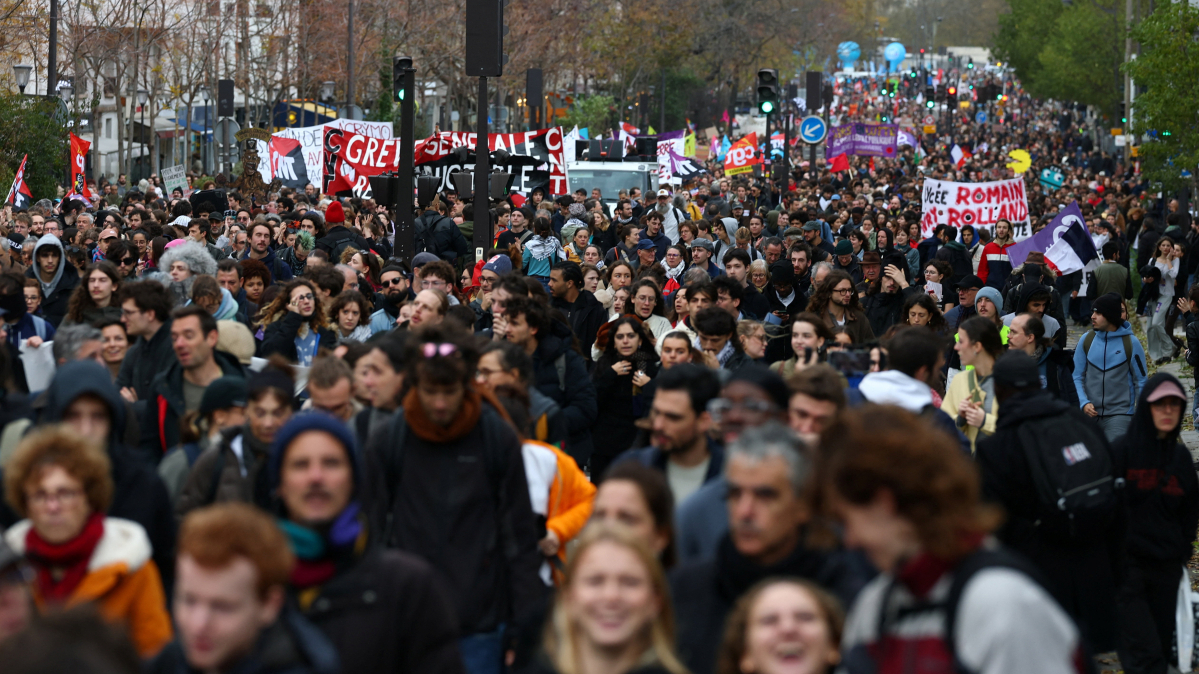
More than 200 demonstrations were organised across the country, including a major march in Paris, as months of social unrest continued amid difficult budget negotiations and mounting political pressure ahead of the 2027 presidential election.
Rising living costs fuel public anger
The latest industrial action reflects growing frustration over stagnant wages, rising living costs and mounting pressure on household budgets.
Speaking from Paris, AnewZ correspondent Ross Cullen said a recent survey identified the cost of living as the biggest concern among French citizens.
Demonstrators want higher salaries and pensions, alongside tax cuts to ease the financial strain on households.
Public sector pay remains a key source of tension. The index point used to calculate basic salaries for France's 5.8 million public employees has been frozen for three years.
This has left some lower-paid civil servants with basic salaries below the national minimum wage of around €1,470 ($1,618) net per month, before additional payments.
Trade unions say the government's proposals fall short of what is needed to restore workers' purchasing power.
Government and unions remain divided over pay
The protests follow failed talks between trade unions and Prime Minister Sébastien Lecornu, with both sides still at odds over public sector pay.
Government spokesperson Mathieu Lefèvre defended the administration's approach, pointing to proposed salary increases of up to €650 ($715) gross for more than 1.3 million civil servants, alongside measures to ensure all public employees receive at least the minimum wage.
However, Sophie Binet, general secretary of the CGT trade union, dismissed the response as “too little, too late”, saying the proposed increases do not match the scale of workers' frustration.
The dispute has added to the government's political difficulties as it struggles to finalise the 2027 budget amid parliamentary divisions and pressure to cut the national deficit.
Students remain at the centre of demonstrations
Students and school pupils have been at the forefront of demonstrations since September, initially protesting against staff shortages, deteriorating school buildings and a lack of educational resources.
The movement has since expanded to include trade unions, public sector workers and Yellow Vest activists.
Despite government assurances that some concerns have been addressed, students are pressing for greater investment in education and better learning conditions.
According to the French Education Ministry, 3.14 per cent of national education employees joined Tuesday's strike, including 3.76 per cent of teachers. The figure was higher among school support staff, at 9.28 per cent.
Heavy police presence as clashes erupt
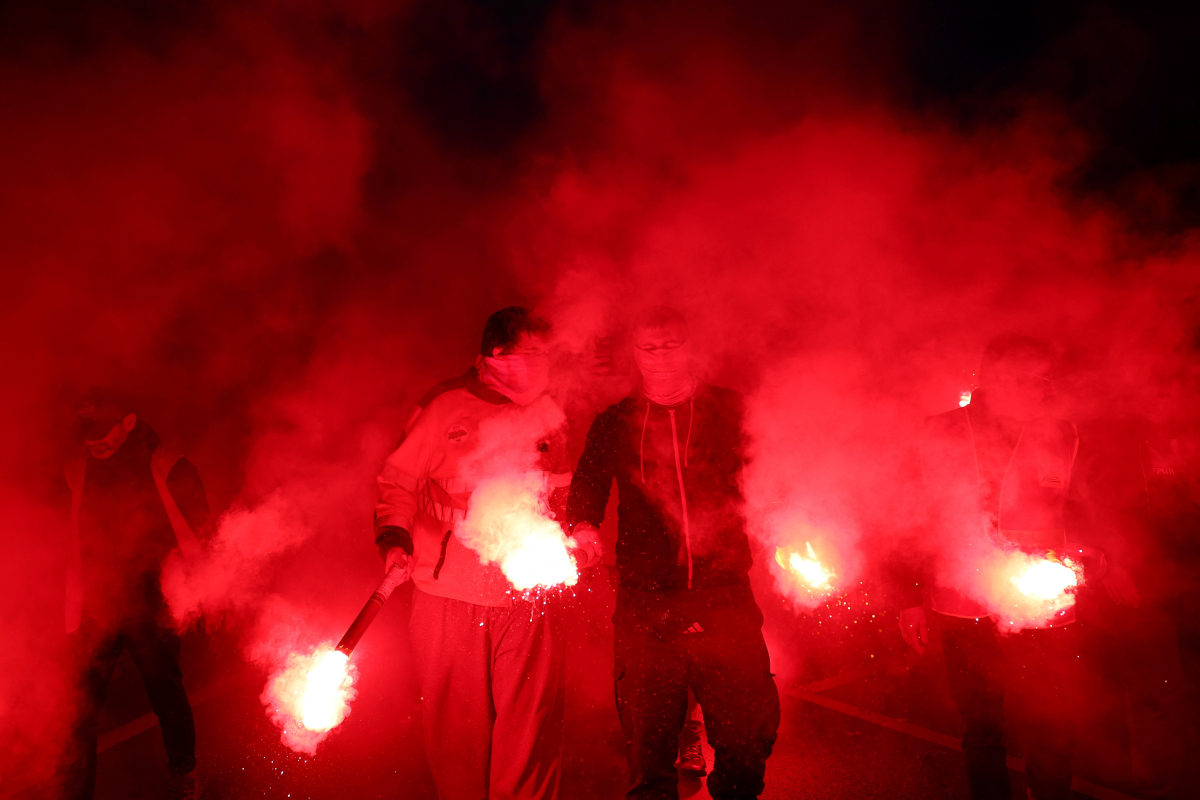
Police maintained a heavy presence at demonstrations following violent confrontations during earlier protests, particularly on 17 October.
Cullen reported that authorities had deployed substantial security forces to prevent a repeat of last month's unrest.
While many rallies remained peaceful, violence broke out in the western city of Nantes, where riot police used tear gas and water cannon during clashes with protesters.
In Paris, demonstrators marched from Place de la Nation towards Place d'Italie, as metro station closures and disruption to regional rail services affected transport across the capital.
France's national rail operator, SNCF, warned of disruption to regional trains, although high-speed TGV services were expected to run normally.
Presidential election adds political pressure
The protests come as France heads towards its 2027 presidential election, adding to the pressure on a government already struggling to balance public demands with budget constraints.
With opposition criticism mounting, the government faces the challenge of easing public anger while securing parliamentary agreement on next year's budget.
Far-right leader Marine Le Pen has sought to seize on concerns over living standards and pensions, promising to reverse President Emmanuel Macron's pension reform and lower the retirement age if elected.
With talks between unions and the government at a standstill, the latest wave of protests underscores the challenge facing French authorities as demands for higher wages, stronger public services and relief from rising living costs show little sign of fading.















What is your opinion on this topic?
Leave the first comment