U.S. President Donald Trump says Washington is taking seriously intelligence reports of a possible Iranian dirty bomb attack in the U.S. capital, warning of severe consequences. Tehran has dismissed the allegations as “baseless”.
U.S. President Donald Trump said on Tuesday that Washington was taking seriously reports that Iran may be planning a radioactive dirty bomb attack in the U.S. capital, following intelligence claims reported by CNN.
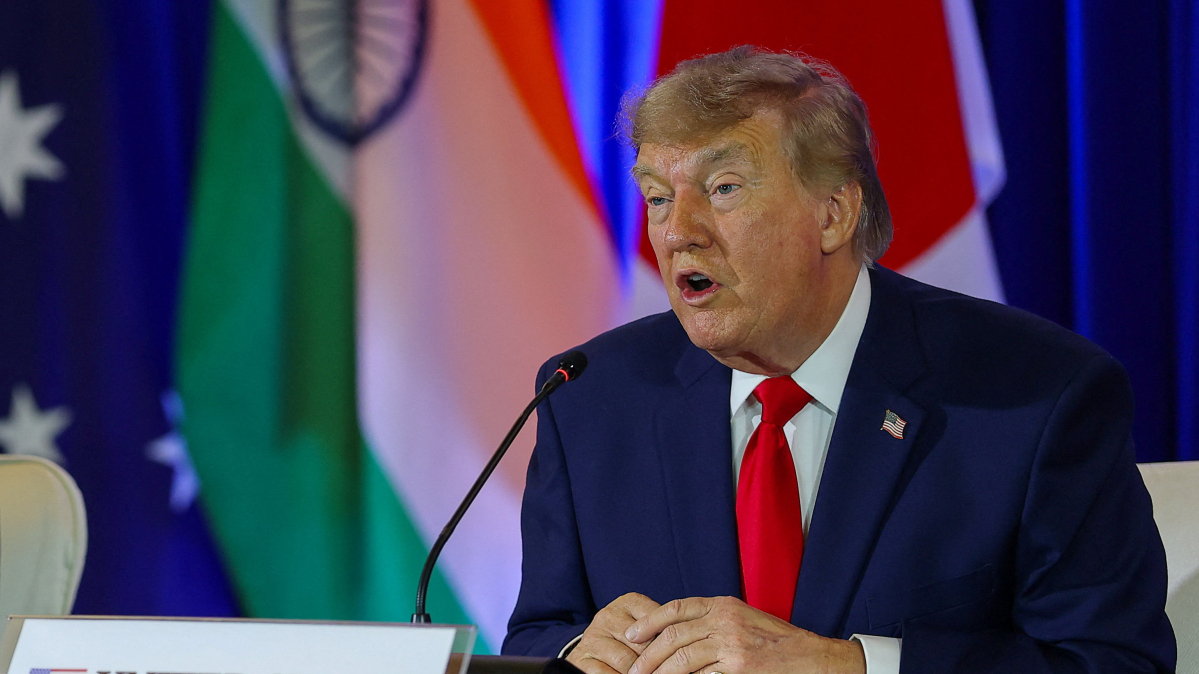
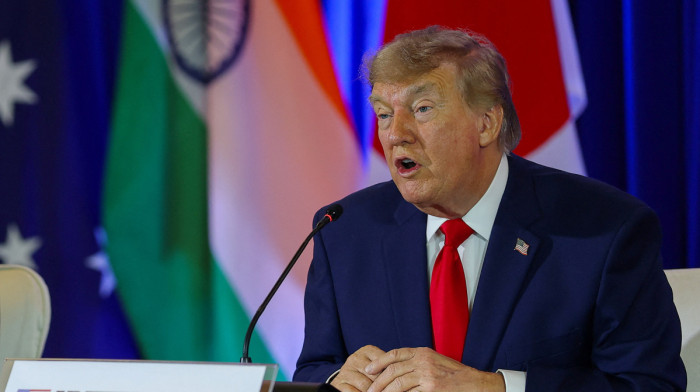
Trump nodded when asked by a reporter whether Iran was planning to detonate a dirty bomb in Washington.
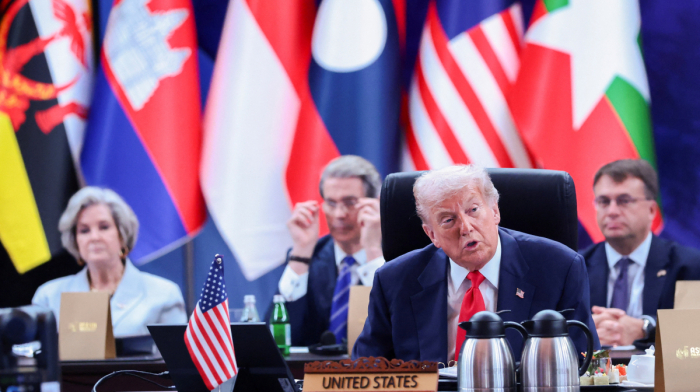
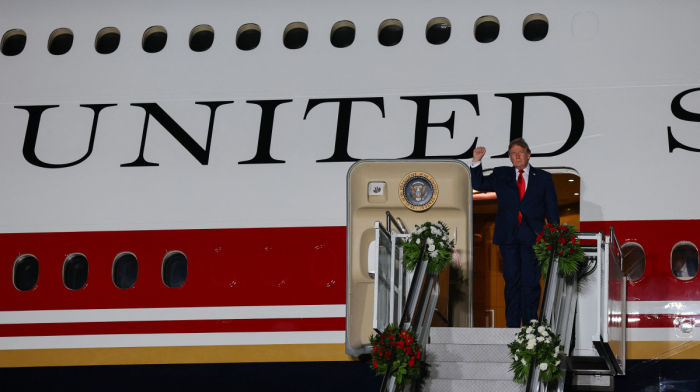
“We’re looking into it,” he told reporters during a photo opportunity in Manila.
Asked whether there was an imminent threat, he said: “Well, if there is, they will pay a price the likes of which no country has ever paid before.”
Pressed again, he said: “I hope it’s not, but we take it very seriously because they happen to be crazy.”
What CNN reported
CNN reported on Monday, citing seven U.S. officials familiar with the intelligence, that Iran may be developing plans to target senior Trump administration officials in Washington with a radioactive dirty bomb or chemical weapons.
Sources familiar with the intelligence described the alleged activity as preparations for possible attacks rather than evidence of an imminent threat. However, two sources said specific locations and potential targets in the capital had been identified.
The findings have reportedly prompted security concerns and contingency planning across the U.S. government, although officials remain divided over Iran's ability or intention to carry out an attack.
Several meetings have reportedly taken place over the past week to discuss potential responses and preventive measures.
One source described the contingency planning as “prudent”, while another said officials were still debating whether Iran had the personnel needed to carry out such an operation.
CNN also reported that U.S. Treasury Secretary Scott Bessent had been moved to military housing last week following threats linked to Iran.
White House: “No credible threats”
White House spokesperson Lauren Bis said the administration was closely monitoring potential threats but had found no evidence of an immediate danger.
The U.S. is “monitoring any and all potential threats, but at this time, there are no credible threats to the homeland,” Bis said, according to CNN.
The Pentagon referred questions to the Office of the Director of National Intelligence, which declined to comment, CNN reported.
Fears of chemical attacks on U.S. troops
Concerns extend beyond Washington, with U.S. intelligence agencies also examining the possibility of Iranian chemical weapons attacks against American military personnel in the Middle East, two U.S. officials told CNN.
Separate contingency plans are being developed to ensure U.S. diplomatic and intelligence personnel in the region have adequate protective equipment and training.
Several officials have reportedly raised concerns about whether American troops are sufficiently equipped and prepared to respond to a chemical attack.
Iran: claims are “baseless”
Iran strongly rejected the allegations, accusing its adversaries of spreading false claims to justify further military action.
Iranian Foreign Ministry spokesperson Esmaeil Baghaei described the reports as “baseless” in a post on X, arguing that they were intended to lay the groundwork for further aggression.
“Those who initiated the aggression against Iran are now trying to prepare the media ground for their insidious plans by producing baseless claims, including the recent allegations published by The New York Times and the fabricated media narrative surrounding the so-called ‘dirty bomb’ spread by CNN,” he wrote.
Baghaei said the reports were designed “to legitimise further aggression and brutality”, warning that any attack on Iran would trigger an “unforgettable” response.
He added that the international community's silence over threats to civilian infrastructure “could have devastating consequences for the region and all of humanity”.
His remarks also addressed a separate New York Times report suggesting that some Iranian dams may serve a dual purpose, providing irrigation and electricity while supporting underground military facilities.
Iran's mission to the UN in New York also denied allegations that Tehran was considering chemical weapons attacks.
It said Iran “considers the use of chemical weapons under any circumstances to be wholly illegitimate and categorically rejects and unequivocally refutes the false and fabricated allegations circulated in this regard.”
What is a dirty bomb?
A dirty bomb combines conventional explosives with radioactive material, which is dispersed when the device detonates.
Unlike a nuclear weapon, it does not produce a nuclear explosion. However, it can contaminate surrounding areas, disrupt daily life and cause widespread public alarm.
Diplomacy stalled
The allegations emerge amid stalled efforts to end the conflict between the U.S. and Iran, with major disagreements persisting over Washington's blockade, the reopening of the Strait of Hormuz and the terms of a potential ceasefire.
A regional source told CNN that the coming weeks could prove decisive for negotiations, warning that Iranian hardliners or other opponents of an agreement might attempt to derail diplomatic efforts.
Read more:










What is your opinion on this topic?
Leave the first comment