The Gulf faces a deepening security crisis as U.S.-Iran tensions persist, shipping routes come under attack and diplomatic efforts fail to deliver a breakthrough. A growing American military presence is adding to fears of further escalation.
Nearly nine months after the United States and Israel launched strikes against Iran on 28 February, the region remains caught between military confrontation, threats to vital shipping routes and disputes over its future security.
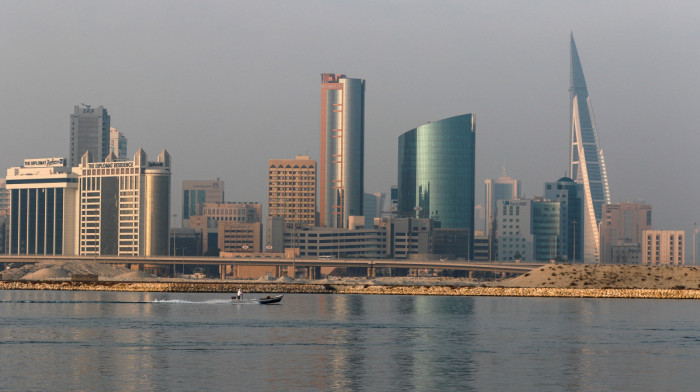
On Sunday, Bahrain said its air defences had intercepted several Iranian aerial attacks, the first reported by the kingdom since September. Iran's Islamic Revolutionary Guard Corps (IRGC) claimed it had launched six drones targeting U.S. air-defence radar at the Al-Rifaa helicopter base. Neither Washington nor Manama immediately confirmed whether the target had been hit.
Two days earlier, the U.S. military said it had intercepted two Iranian drones targeting an early-warning radar facility in Bahrain, with no damage reported.
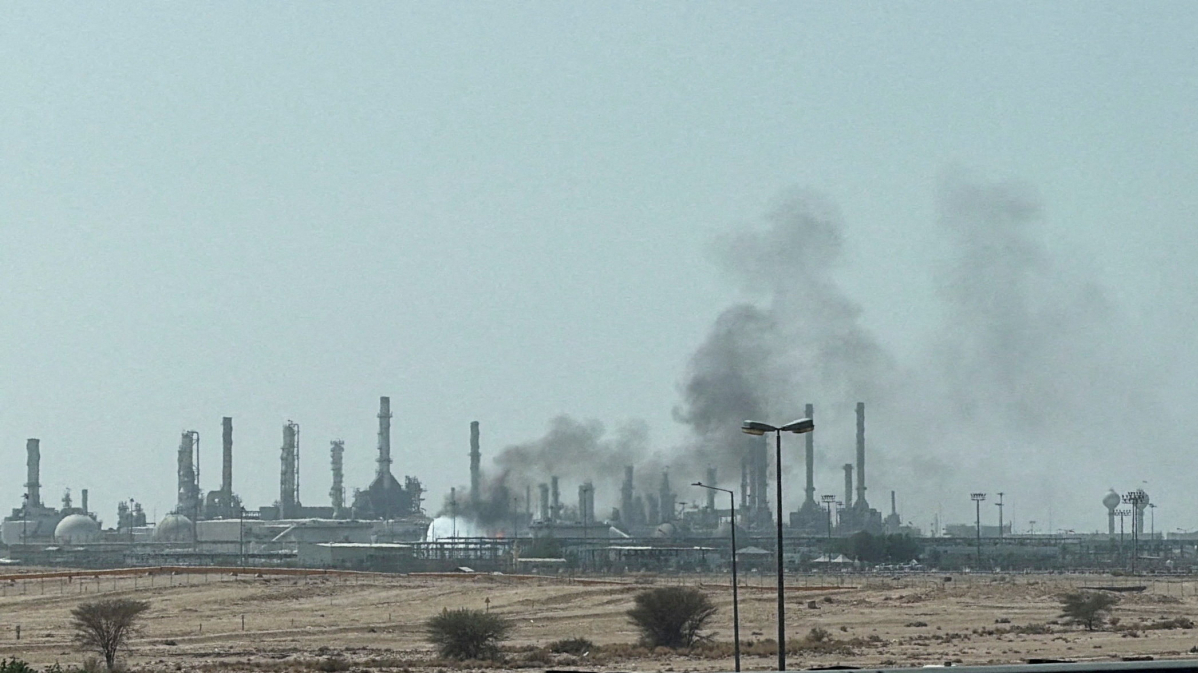
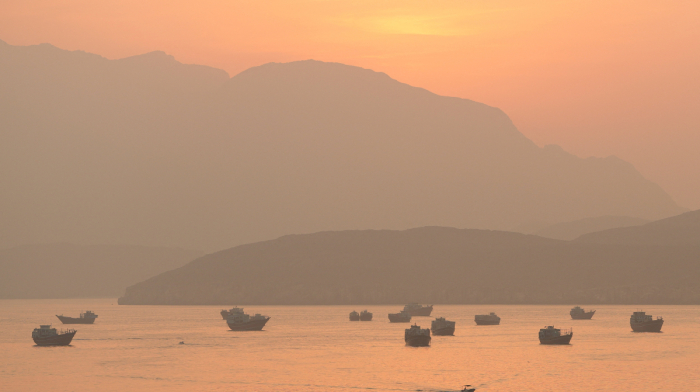
Commercial shipping is also under renewed threat. On Monday, UK Maritime Trade Operations reported two incidents involving tankers in the Strait of Hormuz. One vessel was struck by an unidentified projectile, sparking an engine-room fire. Another was reportedly attacked near Khasab, Oman, also suffering a fire. No casualties were reported.
The incidents highlight how the conflict has shifted towards attacks on shipping and military infrastructure, even as large-scale military operations have eased.
Diplomacy stalls as demands remain far apart
Oman and Qatar remain among the few regional countries maintaining diplomatic channels between Washington and Tehran, but efforts to bridge their differences have made little progress.
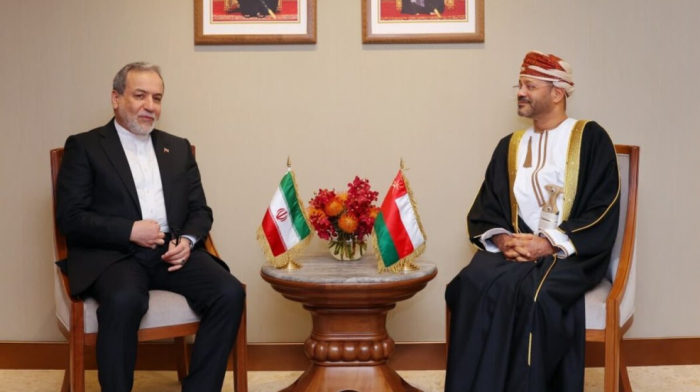
On Tuesday, Iranian Foreign Minister Abbas Araghchi travelled to Muscat for talks with his Omani counterpart, Badr Albusaidi.
According to Oman's Foreign Ministry, discussions focused on reducing tensions, reviving negotiations and safeguarding maritime trade. Both sides emphasised the importance of maintaining international navigation.
Despite Oman's longstanding role as a mediator, the meeting produced no announced breakthrough or agreement to restore unrestricted shipping.
Tehran is demanding an end to Washington's naval blockade, guarantees against future attacks and greater recognition of its regional security role before agreeing to restore normal passage through the Strait of Hormuz.
Washington insists that Iran's nuclear programme must form part of any comprehensive deal and continues to use its blockade to exert economic pressure.
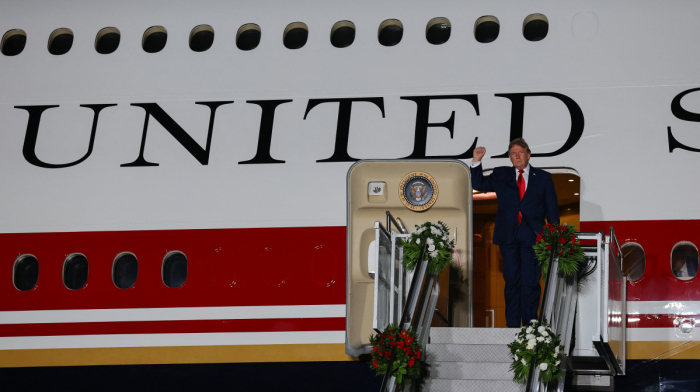
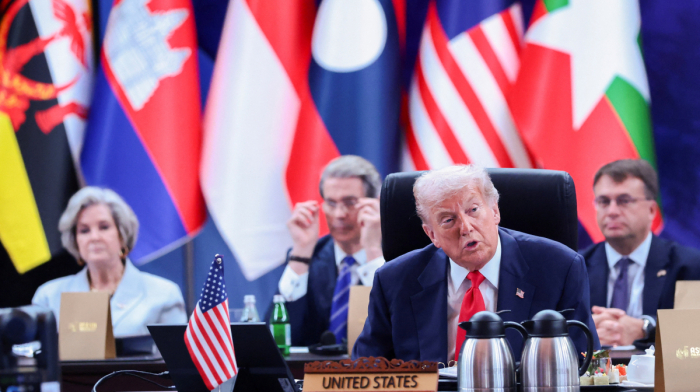
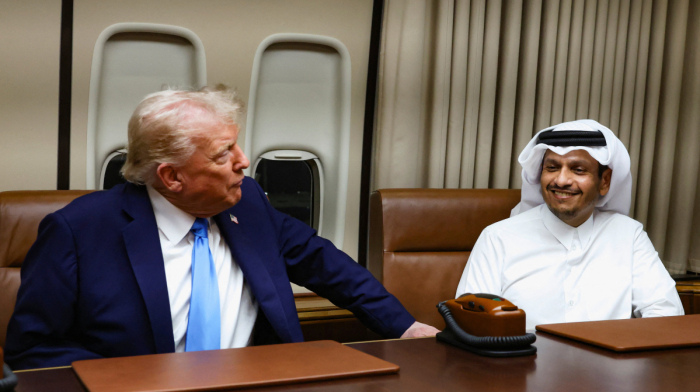
President Donald Trump has warned that U.S. forces are prepared for further action, while suggesting another major military campaign may not be necessary.
For Gulf states, the concern is that any deal negotiated solely between Washington and Tehran could leave their own security interests unaddressed.
Gulf states demand a role in security talks
That concern was raised last Friday at the UN Security Council, where Gulf Cooperation Council (GCC) Secretary-General Jasem Mohamed Albudaiwi called for Iran to be held accountable for attacks on Gulf countries.
He said GCC states had faced more than 7,000 Iranian missiles and drones since 28 February, with strikes affecting airports, ports, energy facilities, desalination plants and residential areas.
Albudaiwi demanded compensation for the damage and a return to pre-conflict maritime conditions, rejecting attempts to impose unlawful transit fees.
Gulf governments want direct involvement in any future security arrangement, alongside guarantees against further attacks and protection for commercial shipping.
The war has also exposed vulnerabilities in their longstanding reliance on American military protection. U.S. bases, naval forces and air-defence systems remain central to regional security, but their presence can also make Gulf territory a target during confrontations involving Washington and Tehran.
Iran has rejected the GCC's compensation demands, arguing that countries supporting U.S. and Israeli military operations should not expect reparations. Instead, Tehran advocates a regional security framework with a reduced foreign military presence.
Oman has previously proposed regional dialogue and non-aggression arrangements, but other Gulf capitals have shown little willingness to replace their American defence partnerships.
The challenge is whether Gulf states can develop a new security relationship with Iran while retaining U.S. protection, or continue relying on an increasingly vulnerable military structure.
Three U.S. aircraft carriers raise tensions
Washington has reinforced its military presence, with the USS Theodore Roosevelt arriving in the U.S. Central Command area on Monday.
It joins the USS George H.W. Bush and USS George Washington, bringing the number of American aircraft carriers in the region to three.
The deployment also includes 13 destroyers, two cruisers and a littoral combat ship in the Arabian Sea, alongside two additional destroyers in the Red Sea.
The concentration of naval power is unusual, although a comparable deployment took place in April at the height of the conflict.
The additional forces give Washington greater capacity for air operations, maritime security and responses to further escalation.
But they also increase the stakes for Gulf countries, where American military facilities have repeatedly featured in Iranian threats and attacks.
Washington is seeking to maintain pressure on Tehran without launching another full-scale campaign, a balance that is becoming harder to sustain as attacks continue and diplomacy remains stalled.
Houthi advances put Saudi Arabia under pressure
Saudi Arabia faces a separate setback in Yemen, where Houthi advances are threatening another critical shipping route.
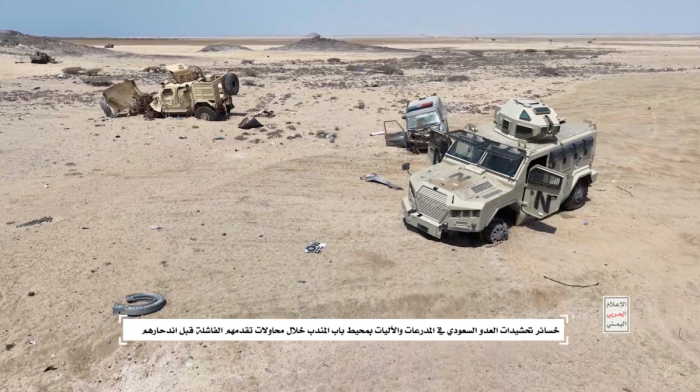
On Monday, Riyadh replaced the commander overseeing its joint forces after Saudi-backed Yemeni government troops withdrew from areas near the Bab el-Mandeb Strait.
According to Reuters, Yemeni military sources said Houthi fighters had reached Khor Omaira, approximately 100 kilometres west of Aden, putting them about 25 kilometres from government positions near Qawah.
The withdrawal reverses some gains made during an October counteroffensive backed by Saudi forces. Government troops have shifted their focus towards defending Aden, the main base of Yemen's internationally recognised authorities.
The developments add to Saudi Arabia's security concerns. The Houthis have launched missiles and drones towards the kingdom, targeting Riyadh and energy infrastructure.
On Sunday, the Saudi-led coalition said it had intercepted two ballistic missiles heading towards the capital and three drones over the Eastern Province.
Houthi threats to shipping through the Bab el-Mandeb Strait could further disrupt international trade, compounding the problems already affecting the Strait of Hormuz.
Oil prices fall despite shipping threats
Oil markets are signalling hopes of recovery despite continued military tensions.
On Tuesday, Brent crude traded at around $92.61 a barrel, while U.S. West Texas Intermediate stood at approximately $85.73.
Brent has fallen by around 22 per cent this month, reflecting expectations of improving global supply and a recovery in Middle Eastern exports.
In its November report, the International Energy Agency forecast a return to a global oil surplus in the fourth quarter of 2026, with supply expected to recover faster than demand and production rising substantially in 2027.
Meanwhile, U.S. Strategic Petroleum Reserve stocks fell to 276.4 million barrels last week, their lowest level since August 1982, according to Department of Energy data reported by Reuters.
Attention now turns to the OPEC+ meeting on 29 November, when producers are expected to discuss their output policy for 2027.
While oil traders are increasingly anticipating a supply recovery, shipping companies face a different reality: persistent attacks, disrupted routes and mounting security risks.









What is your opinion on this topic?
Leave the first comment