U.S.-Iran talks in Doha conclude, Iranian official says
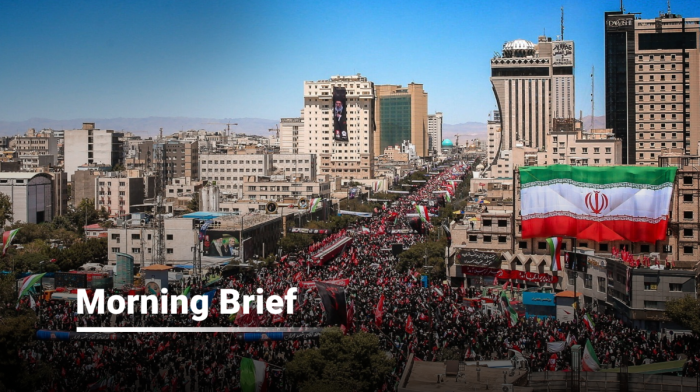
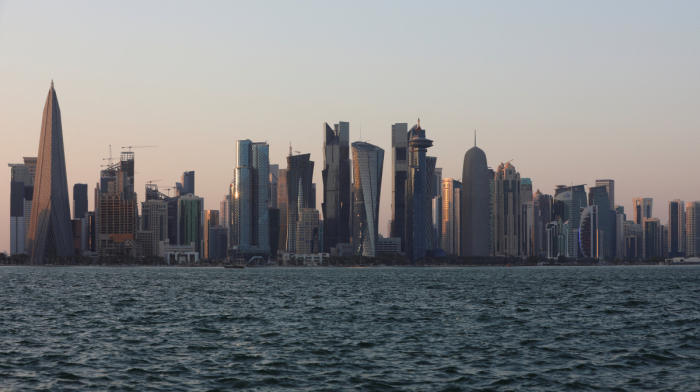
Negotiations between the U.S. and Iran mediated by Qatar in Doha have concluded, Iran's Deputy Foreign Minister, Kazem Gharibabadi has said.
The U.S. and Iran have agreed to 'stand down' and resume technical talks, allowing vessels allowed to move freely under the interim peace deal, a U.S. official said.
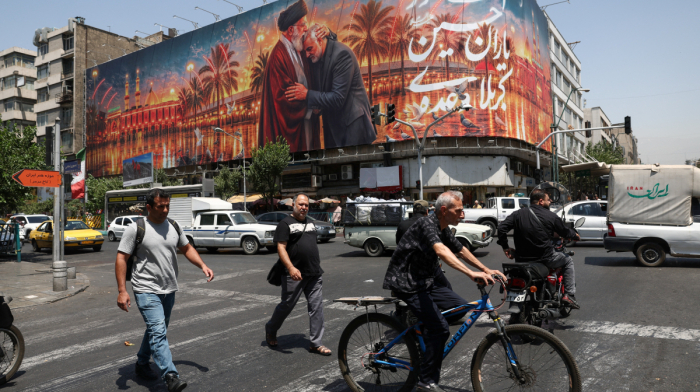
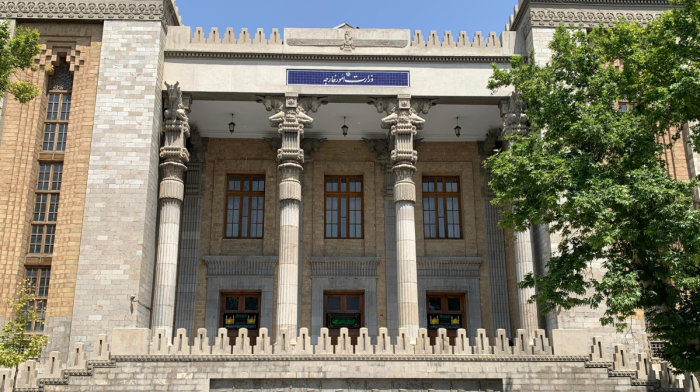
Iran's Ministry of Foreign Affairs on Friday (26 June) condemned as "interventionist, irresponsible and provocative" a statement issued following a joint meeting of foreign ministers from the U.S. and the Gulf Cooperation Council (GCC) in Manama, Bahrain.
Iran's Revolutionary Guards created secret cells inside Iraq to launch attacks on Gulf states that host American troops, bypassing established militia networks in an apparent effort to avoid detection, according to a Reuters investigation.
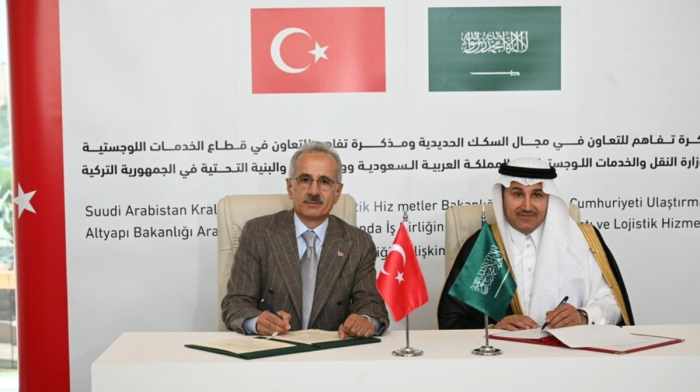
Türkiye and Saudi Arabia are aiming to establish a railway connection linking the two countries through Syria and Jordan within the next three to four years, according to Turkish Transport Minister Abdulkadir Uraloğlu.
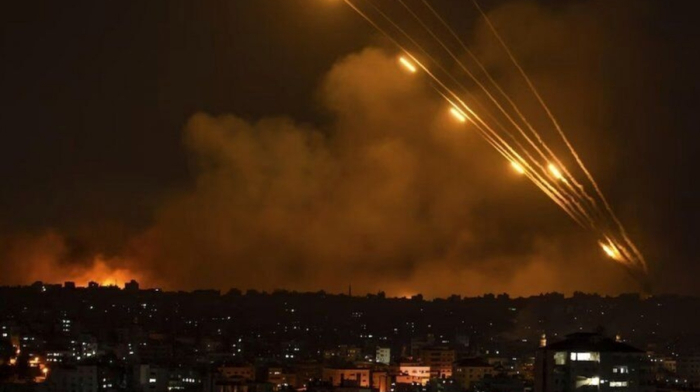
Sirens rang out across multiple areas of Israel on Sunday night after missiles were launched from Iran towards the country, the Israeli military said. Earlier, Tehran's top negotiator in talks with the U.S. threatened to target Israeli and American assets in the region, after Israel struck Beirut.
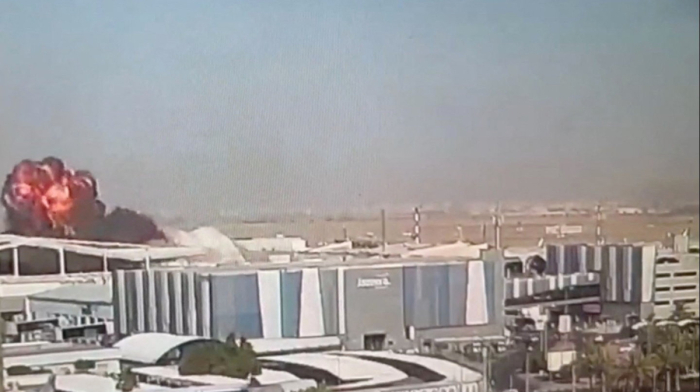
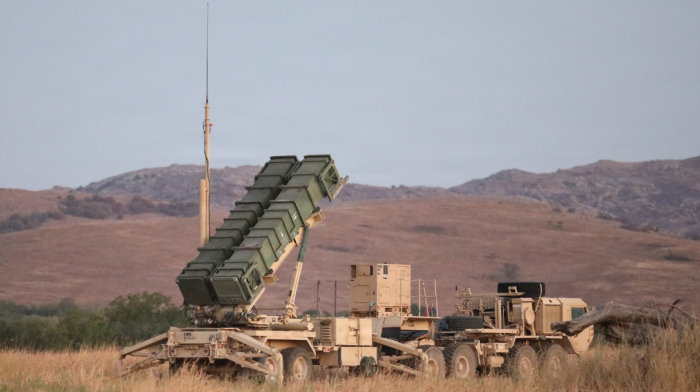
Iran’s Revolutionary Guards (IRGC) said in a statement that its Aerospace Force did not strike the Kuwait Airport passenger terminal on Wednesday, and that the destruction was instead caused by a failed U.S. Patriot missile.
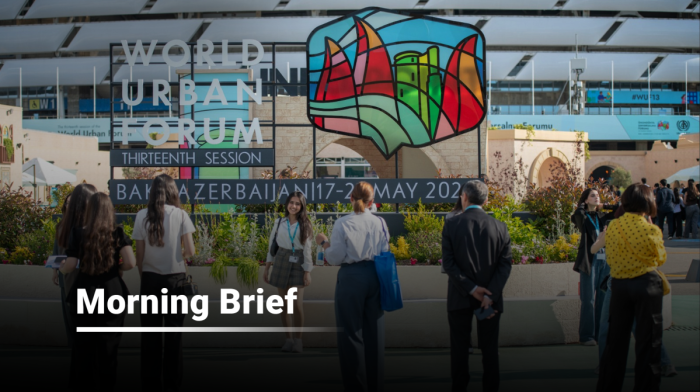
Start your day informed with the AnewZ Morning Brief. Here are the top stories for the 21st May, covering the latest developments you need to know.
U.S. President Donald Trump said on Monday he had paused a planned attack against Iran after Tehran sent a peace proposal to Washington, and that there was now a "very good chance" of reaching a deal limiting Iran's nuclear programme.
In the Gulf, U.S. military bases have long been central to regional security. But rising tensions and shifting global dynamics are prompting new questions about what they protect - and whose interests they serve.
The U.S.-Israeli war with Iran and the closure of the Strait of Hormuz have triggered the largest oil supply disruption ever recorded in terms of daily output losses. However, Reuters calculations show that at least one past crisis had a greater cumulative impact over time.
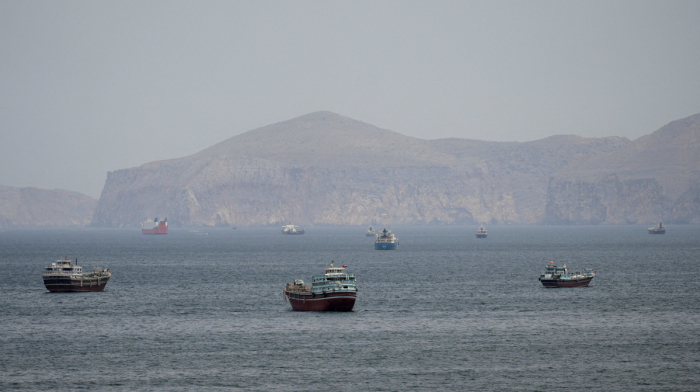
A second U.S.-sanctioned supertanker has entered the Gulf via the Strait of Hormuz, shipping data showed, despite a U.S. blockade on vessels visiting Iranian ports.
Kuwaiti authorities have detained U.S.-Kuwaiti journalist Ahmed Shihab-Eldin, who has not been seen for six weeks, according to a media watchdog, as Gulf states intensify a crackdown on war-related filming and online posts.
One U.S. crew member has been rescued after two American warplanes were downed over Iran and the Gulf, as the search continues for a missing pilot, while President Donald Trump has given Tehran 48 hours to agree to a deal to end the war.
The petrodollar system, which has anchored the U.S. dollar’s dominance in global energy markets for five decades, is showing clear signs of strain. Pressures from geopolitical tensions and shifting trade practices are accelerating moves away from dollar-based oil transactions.
History rarely announces its turning points in bold headlines. Some of the most consequential shifts begin quietly - on the margins, away from the glare of global attention - only to reshape the centre in time. The emerging conflict between Pakistan and Afghanistan is one such development.
The real power of the Strait of Hormuz lies not in closing it, but in the threat of closure.
Ukraine wants money and technology in return for helping Middle Eastern nations that have sought its expertise as they defend against Iranian kamikaze drones, President Volodymyr Zelenskyy said, after Kyiv sent specialists to the region.
U.S. President Donald Trump threatened further strikes on Iran's Kharg Island oil export hub and urged allies to send warships to secure the Strait of Hormuz, as Tehran vowed to step up its response and the war showed no sign of ending on Sunday ( 15 March).
NATO air-defence systems in the Eastern Mediterranean “neutralised” a third ballistic missile fired towards Türkiye, the Turkish Defence Ministry said on Friday.
Several marine insurers said they are cancelling war risk cover for ships due to the conflict in Iran and the Gulf. Insurers including Gard, Skuld, NorthStandard, the London P&I Club and the American Club said their cancellations will take effect from 5 March.
Iran’s Revolutionary Guards (IRGC) say they've detained two vessels in the Persian Gulf carrying more than 1 million litres of smuggled fuel, state media said, with 15 foreign crew members handed to judicial authorities.
“After all these demonstrations and internal challenges, Iran does not want to put itself in a position under threat from Mr. Trump or Israel,” political analyst Melih Demirtaş said, commenting on rising U.S.-Iran tensions in the region.
The British government announced on Wednesday that it had struck a series of trade and investment agreements worth $8.6 billion with Saudi Arabia, marking a major step in the UK’s efforts to boost economic relations across the Gulf.
You can download the AnewZ application from Play Store and the App Store.