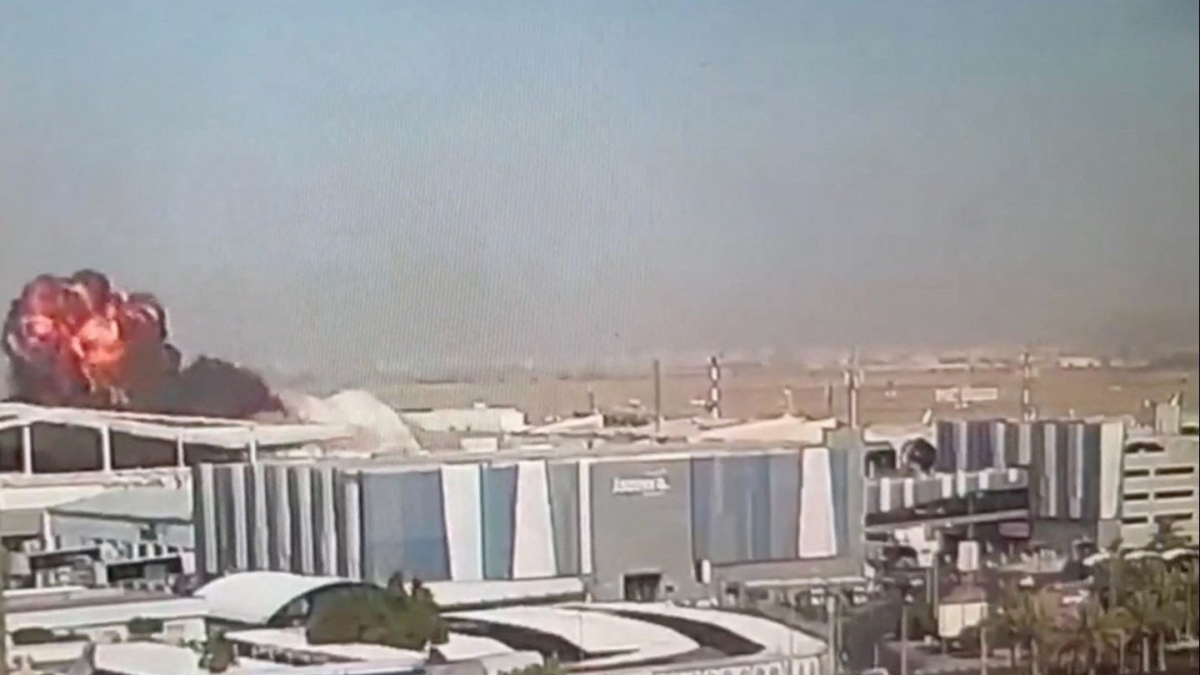
Iran’s Revolutionary Guards (IRGC) said in a statement that its Aerospace Force did not strike the Kuwait Airport passenger terminal on Wednesday, and that the destruction was instead caused by a failed U.S. Patriot missile.
“Our investigation and research into the Kuwait passenger terminal attack show that the IRGC Aerospace Force did not fire any shots” at the airport, Spokesman Second Brigadier General Hossein Mohebbi said in a statement.
“The destruction of the Kuwait airport passenger terminal was caused by an error with the U.S. Patriot systems, which landed on the terminal after failing to intercept Iranian missiles,” the Sepah News website quoted the IRGC as saying.
Weeks of regional military exchanges
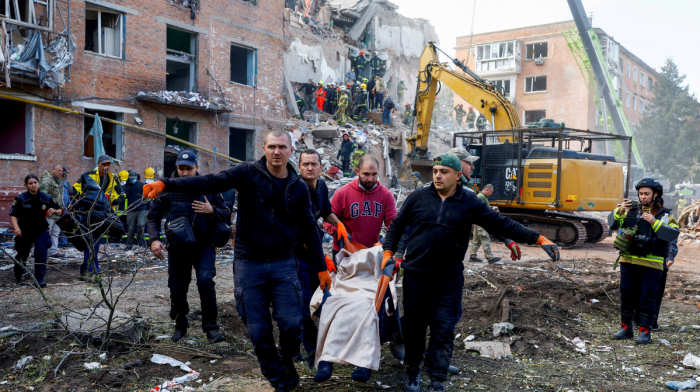
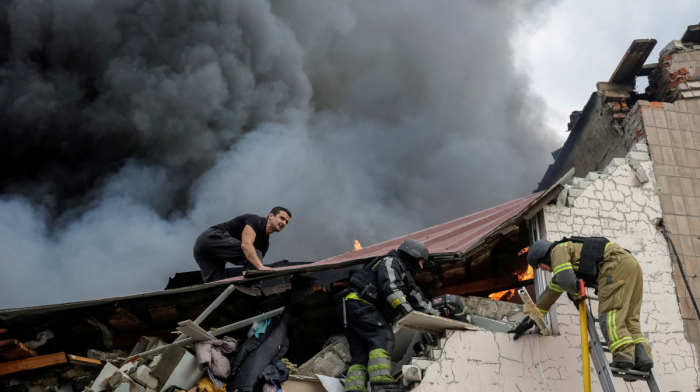
Wednesday’s deadly attack on the Kuwait Airport came after weeks of military exchanges between Iranian and U.S. militaries in the Persian Gulf, with Iran hitting the U.S. bases in the region where it said attacks against Iran originated.
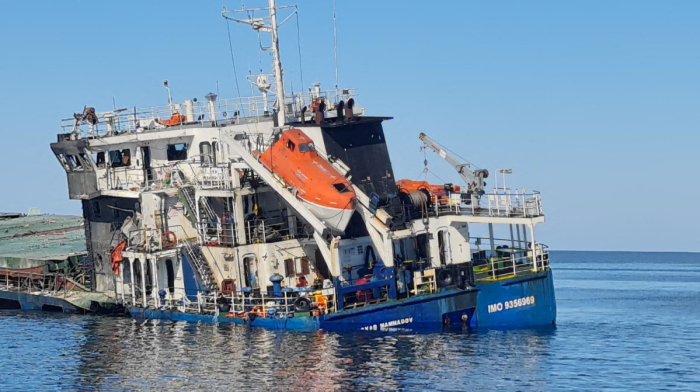
Iran has condemned the recent U.S. strikes on its tankers and merchant ships as well as a telecom site on an island in the Persian Gulf. Tehran has promised retaliation, which it has carried out with its Navy targeting a U.S. “command and control” destroyer in the Sea of Oman. All of this comes amid a ceasefire that remains shaky between Tehran and Washington.
'Right to protect territorial integrity'
In a statement on Wednesday, the Foreign Ministry said Iran will use all its power to counter aggressive acts, including by targeting the origin and source of attacks in a bid to exercise its “inherent right to defend Iran's territorial integrity and national sovereignty”.
In the latest round of assaults between Iranian and U.S. militaries, Iran’s Navy said it targeted a U.S. warship carrying out the command and control of the strikes on the Iranian assets late on Wednesday in the Sea of Oman, according to an official statement published on the Defa Press website, which is dedicated to military news.
Still no progress in mediated talks
Meanwhile, Foreign Minister Abbas Araghchi said in an interview with the Beirut-based Al-Mayadeen television network that the mediated exchanges between Tehran and Washington are continuing, but there has not been any tangible progress in the ceasefire talks.
“Our communications have not been cut off, but we have not made any significant progress on the subject of negotiations in the last few days,” he said.
The state-owned IRNA news agency quoted Araghchi as saying that although Iran does not want a war, the Islamic Republic is prepared for a prolonged war to defend its rights.
“We are ready to continue the war both in terms of military power, national cohesion and the will to confront aggression…. Therefore, we have the ability to continue the war as long as necessary, but this does not mean we want war.”
Iran’s top diplomat in a post on the social platform X said that any hostile act against Iran from the countries hosting the U.S. bases will be met with “immediate and decisive response”.
His post, which was published following Tehran’s responses to the repeated U.S. attacks on Iranian merchant ships and islands in the Persian Gulf, included video of U.S. Secretary of State Marco Rubio during Wednesday’s congressional hearing on Iran.
“Any hostile act will be met with an immediate, decisive response. What sanctions and war failed to achieve won't be won with more war,” the Iranian minister stressed.


















What is your opinion on this topic?
Leave the first comment