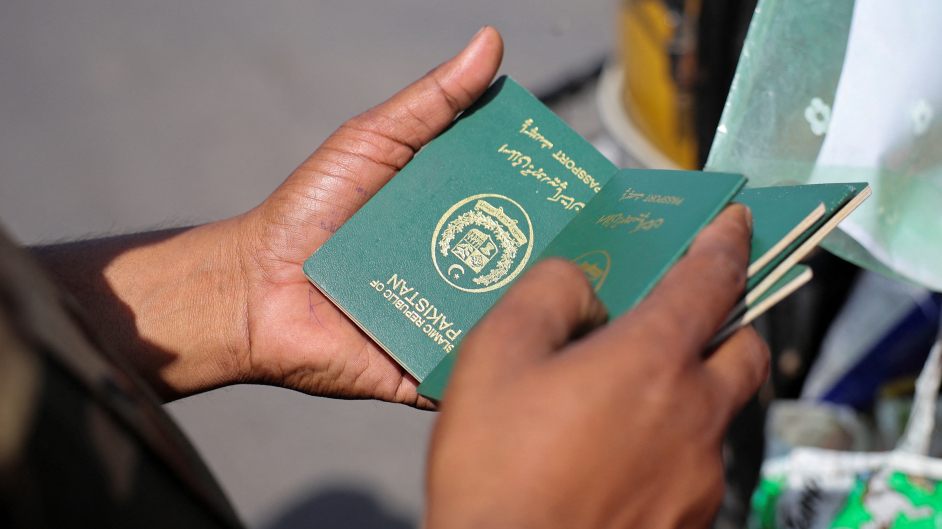
Pakistani businesses are warning that growing difficulties in obtaining United Arab Emirates (UAE) visas are disrupting trade, delaying investment and limiting access to a key export market, despite both Islamabad and Abu Dhabi saying there is no official visa ban.
Pakistan is seeking to deepen economic ties with the UAE, its third-largest trading partner after China and the U.S. Bilateral trade reached approximately U.S.$10.9 billion in the 2024–25 financial year, and both countries aim to increase trade to U.S.$40 billion over the next decade, according to Pakistan's Ministry of Commerce.
Business travel disruptions threaten exports
Pakistan's business community says exporters are increasingly struggling to secure visas for sales teams, attend trade exhibitions, meet buyers and pursue new commercial opportunities in the UAE.
Business groups say the uncertainty is already affecting preparations for Gulfood, one of the world's largest food and beverage exhibitions, held annually in Dubai. They warn that without timely visas, Pakistani companies risk missing opportunities to showcase products, negotiate contracts and expand exports.
Exporters have also reported cancelled business meetings and growing difficulties for entrepreneurs with long-established companies, investments and family ties in the UAE. Chambers of commerce have urged both governments to address the issue through diplomatic engagement to prevent further disruption to bilateral trade.
No official UAE visa ban, but uncertainty persists
The UAE has repeatedly said there is no official visa ban on Pakistani nationals and that applications continue to be processed across all visa categories. Pakistan's Foreign Office has also not described the situation as a formal ban.
However, business organisations say the experiences of many Pakistani travellers point to stricter screening, lower approval rates and longer processing times, creating uncertainty for companies that depend on regular travel to maintain commercial relationships. Neither the UAE nor Pakistan publishes official annual data showing how many visas are issued to Pakistani nationals each year.
Millions of Pakistanis live and work in the UAE
The UAE is home to an estimated 1.7 million to 1.9 million Pakistanis, making it one of the largest overseas Pakistani communities and the second-largest expatriate population in the Emirates after Indians.
Pakistanis work across construction, transport and logistics, manufacturing, retail, hospitality, healthcare, engineering, banking, information technology and education. Thousands are also business owners, with around 47,000 Pakistani-owned companies operating in the UAE, including more than 8,000 new businesses registered in 2025.
The UAE also remains one of Pakistan's largest sources of workers' remittances. Pakistani workers in the Emirates contribute more than U.S.$6 billion annually, while the State Bank of Pakistan reported remittance inflows of U.S.$696.2 million from the UAE in February 2026 alone.
Business mobility key to economic ties
For Pakistan, the issue extends beyond visa processing. The UAE is a critical destination for exports, investment and overseas employment, making the movement of business travellers an important part of the broader economic relationship.
Business groups say prolonged uncertainty over visas could affect participation in international trade fairs, delay investment decisions and reduce opportunities for Pakistani exporters in a market that both governments have identified as central to expanding bilateral trade. As Islamabad and Abu Dhabi pursue closer economic cooperation, restoring confidence in business travel is likely to remain an important test of the partnership.
Read more:
















What is your opinion on this topic?
Leave the first comment