Türkiye could become an increasingly important outlet for Iraqi crude as Baghdad develops new export routes to reduce its reliance on the Strait of Hormuz and targets capacity of five million barrels per day.
Iraqi Oil Minister Basim Mohammed Khudair said at the weekend that Baghdad had raised its crude oil export capacity to more than three million barrels per day (bpd), with exports reaching around three million bpd since 1 September.
The government ultimately aims to increase export capacity to five million bpd, but reaching that target will partly depend on the completion of two strategic pipeline projects designed to give Iraq additional access to the Mediterranean Sea.
One proposed route would link oilfields in southern Iraq with Haditha and Fishkhabur in the north, near the border with Türkiye.
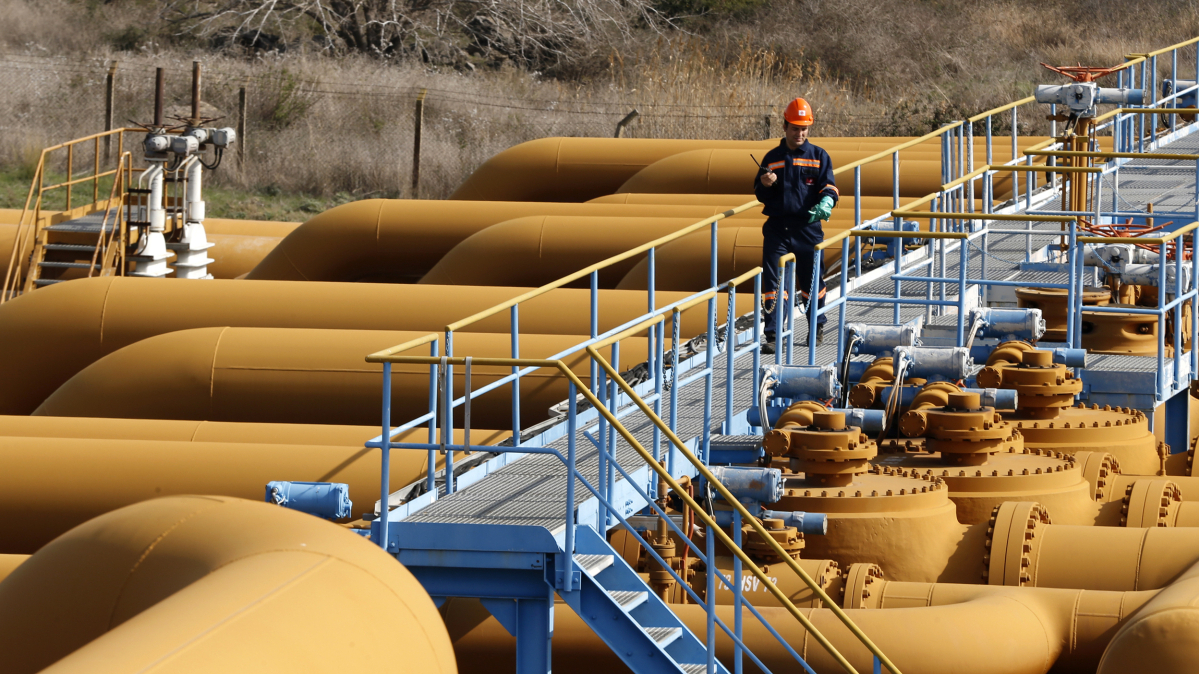
Iraqi crude could then flow into the existing Kirkuk-Ceyhan pipeline, reaching the export terminal at Ceyhan on Türkiye’s Mediterranean coast.
A second proposed pipeline would run westward from Haditha to the Syrian port of Banias, potentially reviving a historic energy corridor between Iraq and Syria.
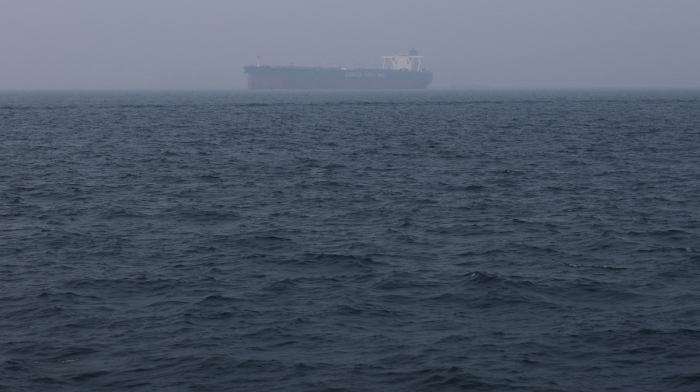
If completed, the projects would reduce Iraq’s dependence on the Strait of Hormuz, the narrow Persian Gulf waterway through which a substantial share of global oil and liquefied natural gas supplies pass.
Shipping through the strait has been severely disrupted by the conflict involving the U.S., Israel and Iran, driving up freight and insurance costs and heightening concerns over global energy security.
Plans still at an early stage
For Türkiye, increased Iraqi oil exports through Ceyhan could bolster Ankara’s ambition to become a regional energy hub, connecting producers in the Middle East and Caspian region with European and international markets.
The pipeline projects, however, remain at an early stage.
New pipelines would require significant investment, security arrangements and closer cooperation between Baghdad, Ankara and the Kurdish regional authorities in northern Iraq.
Iraq has an estimated 145 billion barrels of proven oil reserves and relies heavily on petroleum revenues to fund government spending.
Oil output fell from about 3.3 million bpd to around 1.3 million bpd during the U.S.-Israeli war with Iran that began in February, before starting to recover in July and August.
Iraq’s oil exports also recovered sharply in August, rising to around 2.34 million bpd from about 1.35 million bpd in July, according to Iraqi energy officials cited by Reuters.
If the proposed pipelines are built, the new routes could give Türkiye a central role in Baghdad’s efforts to protect its vital oil exports from instability in the Gulf while giving Iraq more options for reaching international markets.
















What is your opinion on this topic?
Leave the first comment