In an interview with AnewZ’s Sabir Safarov, Houthi-aligned journalist Hussain al-Bukhaiti warns of possible attacks on Saudi Arabia’s water and power infrastructure, dismisses concerns over global trade and acknowledges Iranian assistance in developing the group’s missiles.
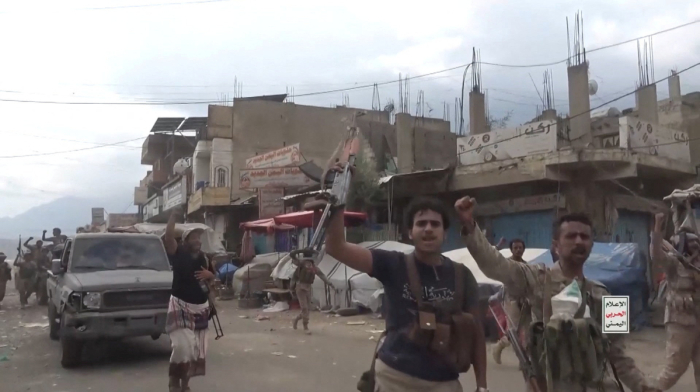
Yemen’s Houthi movement could expand its attacks on Saudi Arabia to include power stations and water plants, threatening civilian lives, energy supplies and regional stability, a journalist aligned with the group has warned.
“At one point we might target Saudi power stations, and at one point we might target Saudi water plants,” Hussain al-Bukhaiti, a journalist aligned with the Iran-backed movement, told AnewZ’s Sabir Safarov in an interview. He said Saudi residents would then “die from thirst”.
His warning signals the potential for a broader campaign against Saudi Arabia’s civilian and economic infrastructure, aimed at increasing pressure on Riyadh and the Yemeni government it supports.
Al-Bukhaiti said Saudi Arabia could end the attacks by halting its military campaign and withdrawing support from Yemeni forces fighting the Houthis. He presented threats against essential services as a means of forcing Riyadh to change course, without ruling out civilian targets.
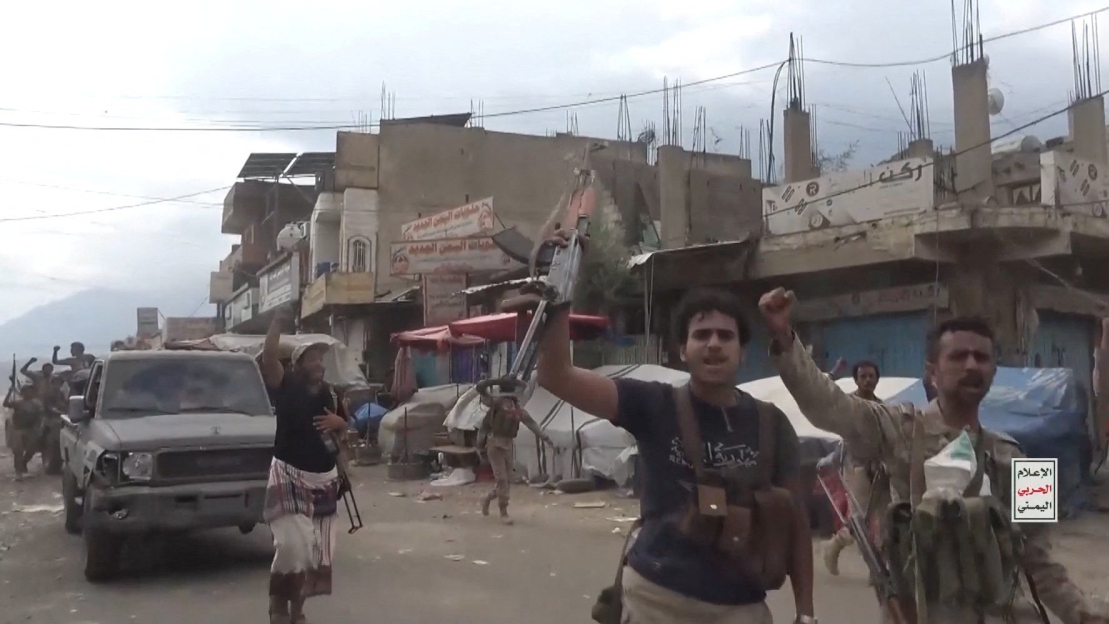
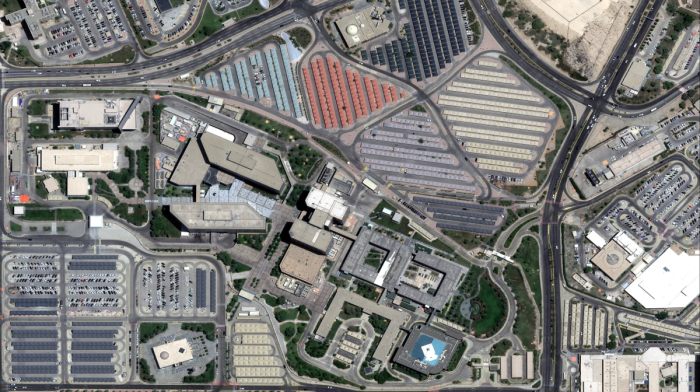
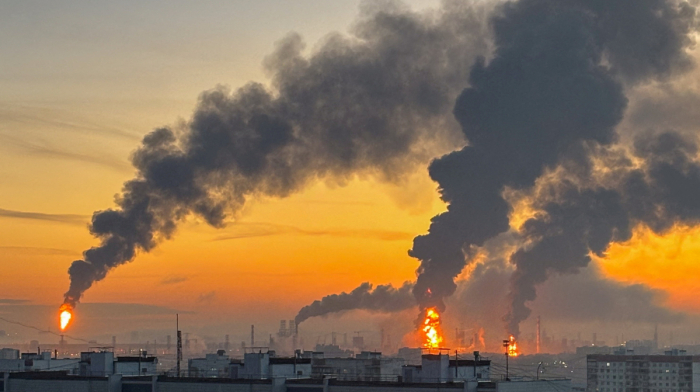
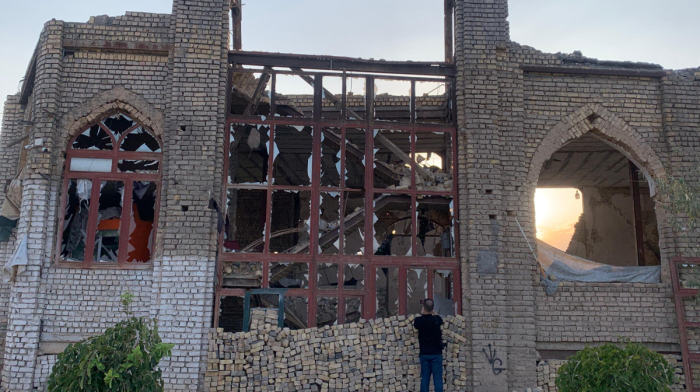
His comments follow a series of strikes on some of the kingdom's most important facilities. King Khalid International Airport in Riyadh has been attacked repeatedly, while an administrative building belonging to Saudi Aramco in Dhahran was struck on Tuesday.
Saudi Arabia has responded with strikes on Houthi-held territory, including an oil facility in Sanaa. The coalition said the site's underground fuel depots were used to store missiles and drones, a claim that has not been independently verified.
The escalating exchanges highlight the vulnerability of Saudi Arabia’s economy, which depends heavily on secure oil exports, aviation links and foreign investment.
Riyadh now faces a difficult calculation: whether further military retaliation can deter attacks without triggering a wider campaign against infrastructure vital to Saudi civilians and global markets.
From retaliation to economic pressure
Al-Bukhaiti believes Saudi Arabia’s vulnerability to economic disruption could make continued military involvement in Yemen too costly to sustain.
Asked about Houthi threats to Red Sea shipping, he dismissed concerns over international trade, arguing that Yemen’s suffering takes precedence over the economic interests of other countries.
He told the interviewer “to hell with” the international economy, insisting that the movement’s priority was Yemen’s own economy.
He also claimed the Houthis have the right to close the Red Sea to Saudi shipping and that their operations target Saudi vessels alone. These claims have not been independently verified against the movement’s actual targeting.
Saudi Arabia’s strategic position makes such threats particularly significant. Its East-West pipeline transports crude oil from eastern oil fields to the Red Sea port of Yanbu, providing an alternative export route when shipping through the Strait of Hormuz is disrupted.
Operations along the pipeline were again halted in early October following an attack on a pumping station near Khurais, according to an energy-sector source cited by Agence France-Presse.
Riyadh has blamed Iraq-based groups for earlier attacks on the line, while the Houthis have denied responsibility for the latest incident. The perpetrators of each attack must therefore be established separately rather than assumed from the wider conflict.
The disruption illustrates how damage to a single facility can have consequences far beyond the immediate target. Even when oil production continues, attacks on pumping stations, export terminals or shipping routes can restrict supply options and increase pressure on already strained energy markets.
Against this backdrop, the latest threats raise the stakes for Riyadh, exposing not only its energy exports and aviation sector but also its water supply, investment climate and wider economic stability.
Iran's role in Houthi weapons development
One of the interview’s most significant revelations concerned Iranian assistance in developing the Houthis’ military capabilities.
Al-Bukhaiti acknowledged that Iran supports the movement and that Iranian personnel have helped it develop weapons.
He said Iranian technical expertise had been crucial to the group’s ability to manufacture missiles inside Yemen.
The Iranians, he said, “have given us the blueprint how to build those missiles”.
He added that the Houthis had reverse-engineered weapons from stockpiles inherited from Yemen’s former government.
Al-Bukhaiti also said the group obtains some components from abroad, including through black-market channels, and maintained that it has the right to source parts wherever possible.
The interview did not establish the origins of individual weapons, the extent of Iranian personnel’s involvement or the routes used to import components.
However, his account reflects longstanding concerns among Western and Gulf governments that Iranian support has strengthened the Houthis’ missile and drone capabilities.
Coalition spokesman Major General Turki al-Malki made a related claim at a press conference on Thursday, saying the Houthis had obtained advanced technology with help from regional parties. He did not name them.
The relationship with Tehran adds a wider regional dimension to a conflict rooted in Yemen’s internal political divisions.
Although the Houthis have their own political objectives and domestic support base, their military ties to Iran mean the confrontation extends beyond a dispute between Riyadh and Sanaa.
For Saudi Arabia, the challenge is not simply intercepting incoming missiles and drones but weakening a movement that has retained the ability to strike targets across the kingdom despite sustained bombardment.
Further Saudi military operations could also reinforce the Houthis’ portrayal of themselves as defenders of Yemen against foreign intervention, particularly if strikes cause civilian casualties or damage essential services.
Civilian infrastructure increasingly at risk
Al-Bukhaiti repeatedly defended the Houthi campaign by pointing to the suffering Yemen has endured since the Saudi-led intervention began in 2015.
He claimed that Saudi Arabia has carried out more than 200,000 air strikes and killed more than 20,000 Yemeni civilians directly.
He also attributed hundreds of thousands of additional deaths to preventable diseases linked to the conflict and restrictions on essential supplies.
Those figures were not independently verified during the interview, although Yemen’s wider humanitarian crisis has been extensively documented throughout the war.
Al-Bukhaiti argued that international attention focuses on recent Houthi attacks while overlooking years of destruction and deprivation in Yemen. He used that history to justify continued military action against Saudi Arabia.
However, the argument raises a fundamental concern: suffering inflicted on Yemeni civilians is being used to justify potential attacks that could endanger civilians across the border.
Threats against water infrastructure are particularly serious. Hospitals, sanitation systems, food distribution networks and households all depend on reliable water and electricity supplies.
Disabling such facilities could therefore cause widespread harm far beyond the immediate area of an attack.
International humanitarian law requires parties to a conflict to distinguish between civilians and combatants and between civilian objects and military objectives.
Attacks must comply with the principles of distinction and proportionality, while those carrying them out must take precautions to minimise civilian harm.
Economic importance alone does not make civilian infrastructure a lawful military target, nor do previous attacks by an opposing force justify unlawful retaliation.
Al-Bukhaiti's comments do not establish that the Houthis have selected any particular water or power facility for attack.
They do, however, show that a journalist aligned with the movement is openly discussing attacks on services essential to civilian survival.
Can Saudi Arabia prevent further escalation?
The growing threat to critical infrastructure presents Riyadh with a major security and economic challenge.
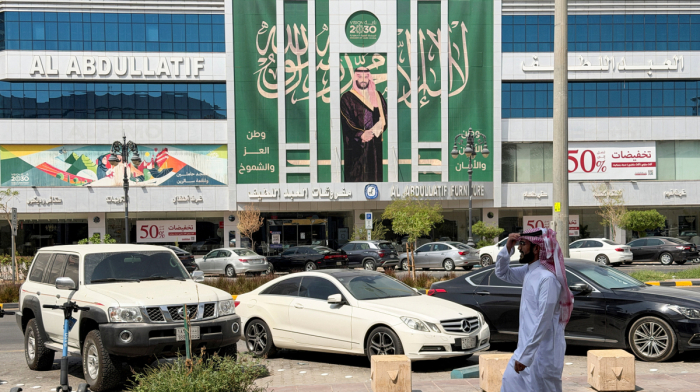
Saudi Arabia has invested heavily in promoting itself as a secure destination for international business, tourism and investment.
Repeated attacks on its main airport in Riyadh and major energy facilities risk undermining that image, even when physical damage is limited or quickly repaired.
The consequences extend beyond fluctuations in global oil prices.
Disruption to flights affects passengers and cargo, while persistent threats to energy infrastructure can raise insurance costs, complicate export planning and erode confidence in regional transport and trade networks.
Intensifying Saudi air strikes may not necessarily eliminate the Houthis’ ability to launch missiles and drones.
The movement's dispersed capabilities and its claimed domestic weapons production suggest that a swift military resolution remains unlikely.
Al-Bukhaiti said Saudi Arabia could end the attacks by withdrawing its support from forces fighting the Houthis and ending its military involvement in Yemen.
However, he offered no formal ceasefire proposal, negotiating framework, verification mechanism or timetable. Instead, he presented the possibility of further attacks as leverage against Riyadh.
That leaves a substantial gap between the movement’s stated demands and the conditions needed for lasting de-escalation.
Any settlement would have to address security guarantees, cross-border attacks, the future of Yemen's competing authorities and the protection of civilians and essential infrastructure.
It would also need to account for Iran’s regional influence and the continuing vulnerability of strategic shipping routes.
The danger of a conflict without limits
Perhaps the most striking aspect of al-Bukhaiti’s interview was his apparent willingness to accept the wider consequences of attacks on civilian infrastructure.
He described Saudi residents dying of thirst as a possible result of attacks on water plants, while placing responsibility for preventing such an outcome on Riyadh.
He also dismissed concerns about the potential damage to international trade and the global economy.
His comments suggest that the Houthis’ approach to the conflict may extend beyond conventional military objectives, with economic disruption, reputational damage and threats to essential services being used to extract political concessions.
That does not mean the Houthi leadership has decided to attack every type of infrastructure mentioned, or that it possesses the capabilities needed to carry out each threat.
Nevertheless, openly identifying water and electricity supplies as potential targets raises serious concerns about the direction of the conflict.
The greater danger is an escalating cycle in which both sides increasingly treat civilian and economic vulnerabilities as instruments of pressure.
Saudi strikes on Houthi-held territory could be used to justify further attacks on the kingdom, which in turn could trigger additional Saudi retaliation.
Such a cycle risks blurring the distinction between military operations and attacks that inflict widespread suffering on civilians.
For Saudi Arabia, the immediate priority is to protect its population and critical infrastructure while preventing further attacks.
For the Houthis, the central question is whether increasing pressure on Riyadh can secure concessions without worsening Yemen’s own isolation and humanitarian crisis.
A sustained campaign targeting airports, energy facilities, water systems and shipping routes could have consequences far beyond the two sides, threatening regional security and international trade.
Al-Bukhaiti's message was that the Houthis will keep fighting until Saudi Arabia changes its policy towards Yemen.
His warnings about water and electricity infrastructure suggest that the movement is prepared to contemplate a far broader campaign if its demands are not met.
Whether those threats are intended primarily as political pressure or signal a new phase of military escalation remains unclear. What is certain is that the consequences of further confrontation could extend well beyond Yemen and Saudi Arabia, putting civilian lives, regional stability and global trade at greater risk.











What is your opinion on this topic?
Leave the first comment