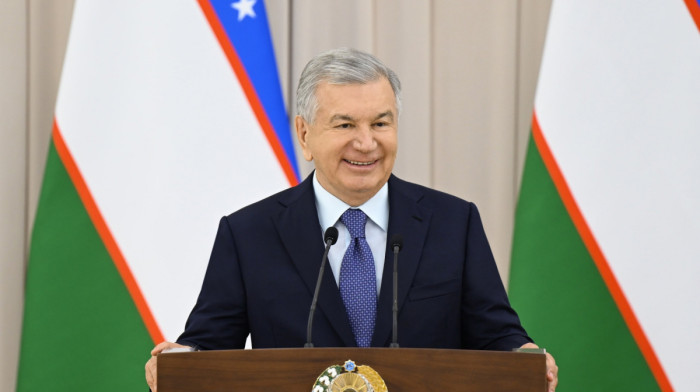
Kyrgyzstan could become the first country in the world to ban energy drinks. Kyrgyz President Sadyr Japarov has instructed ministers to examine the possibility of prohibiting the production and import of the beverages, citing health concerns, state news agency Kabar has reported.
With more than 36 million litres of energy drinks consumed in Kyrgyzstan during the first half of 2026, Japarov has expressed concern that continued consumption of the drinks could lead to higher rates of dangerous diseases and result in higher state spending on healthcare, according to Kabar.
Research has linked energy drinks to heart problems, including cardiac arrest, among younger people. The World Health Organization (WHO) has previously warned about the risk that high caffeine levels in the beverages pose.
Kyrgyz ministers will have a month to investigate the proposed restrictions and six months to introduce regulations.
How much caffeine do energy drinks contain?
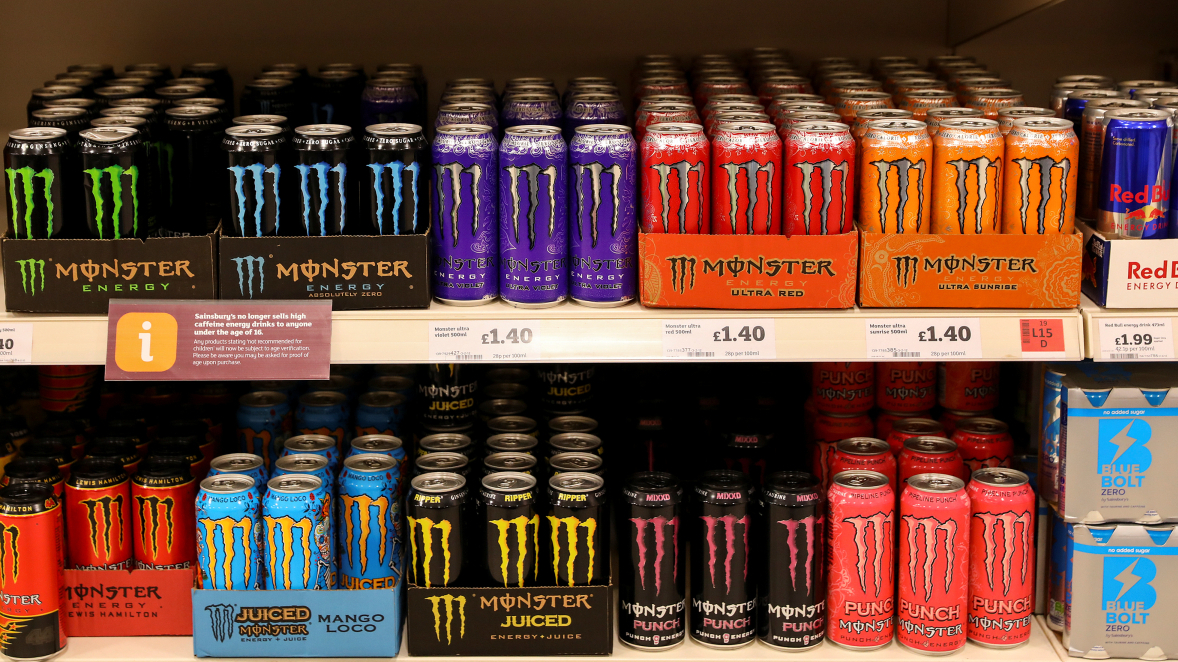
A standard 250 millilitre can of Red Bull contains 80 milligrams (mg) of caffeine. However, some energy drinks have as much as 300 mg of caffeine in a can. By comparison, a cup of coffee contains around 100 mg of caffeine.
Research has shown that energy drinks can disrupt normal heart function in addition to other side effects like high blood pressure, insomnia, anxiety, jitters and nausea.
The sugar level in some variants of these drinks have also been linked to metabolic diseases and dental decay following long term use.
One 2023 study published by the National Library of Medicine noted that adolescents tended to gravitate towards beverages that boast of swiftly boosting energy levels, enhance alertness and increase athletic performance.
Other countries have previously introduced restrictions on the sale of energy drinks. Armenia, Azerbaijan, and Uzbekistan all ban the sale of energy drinks to under 18s, while Kazakhstan introduced a ban on the sale of the beverages to those under the age of 21 in 2025.
The United Kingdom is also taking consultations with regards to banning the sale of high-caffeine energy drinks to children.
In March, Kuwait banned the sale of energy drinks in cafes, restaurants, and supermarkets, among other establishments.
Read more from Kyrgyzstan:











What is your opinion on this topic?
Leave the first comment