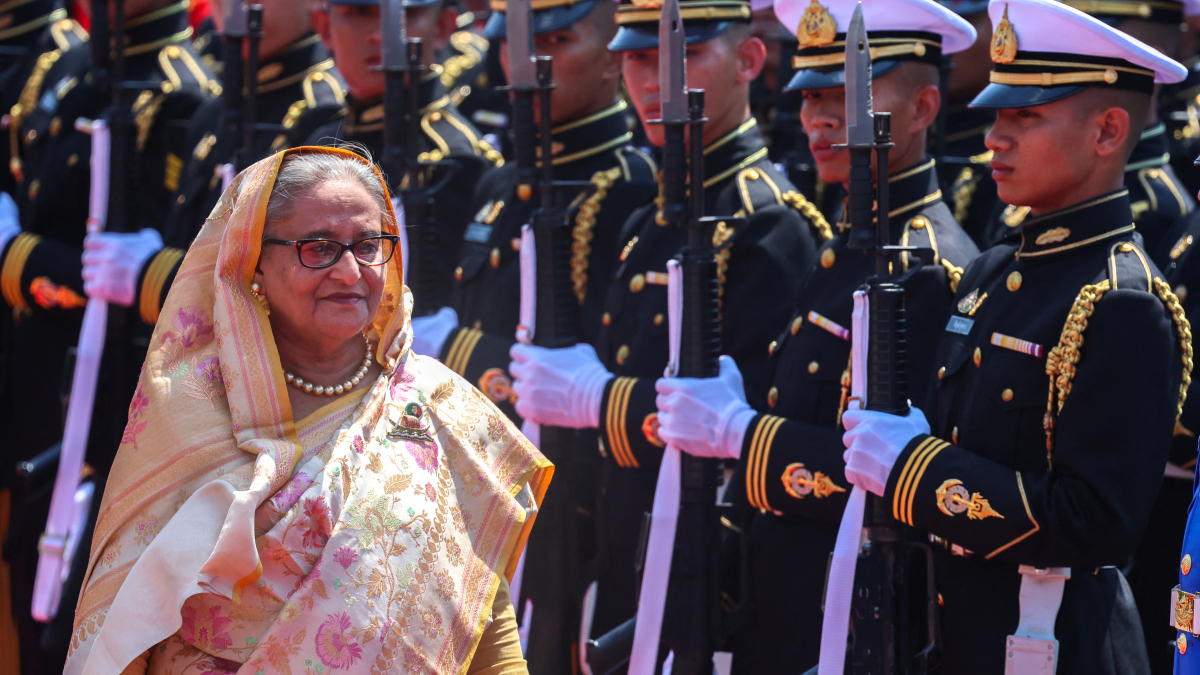
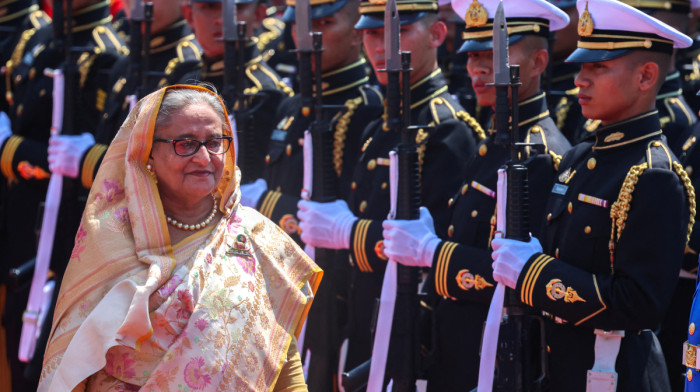
On 16 December, Bangladesh will mark 55 years since its victory in the 1971 liberation war. For its ousted prime minister, Sheikh Hasina, the anniversary could become the setting for a deeply divisive political homecoming.
After more than two years in exile in India, Hasina has set Victory Day as her intended date of return, requesting that the Bangladeshi government arrange her transport from New Delhi aboard national carrier Biman Bangladesh Airlines, her spokesperson told Reuters in an Exclusive interview on Tuesday, 24 November.
Bangladesh's government has rejected the request, insisting that the former leader can return only through extradition.
The announcement comes amid renewed political violence, economic pressures and growing challenges for Prime Minister Tarique Rahman's administration.
The political symbolism of Bangladesh Victory Day
Hasina's choice of date carries particular historical significance.
She is the daughter of Sheikh Mujibur Rahman, Bangladesh's independence leader, who was killed alongside most of his family in a military coup in 1975.
Returning on the anniversary of Bangladesh's victory over Pakistan would place Hasina's homecoming against the backdrop of her family's political legacy.
Political analysts say authorities are concerned that such an event could galvanise her supporters and turn her return into a political spectacle.
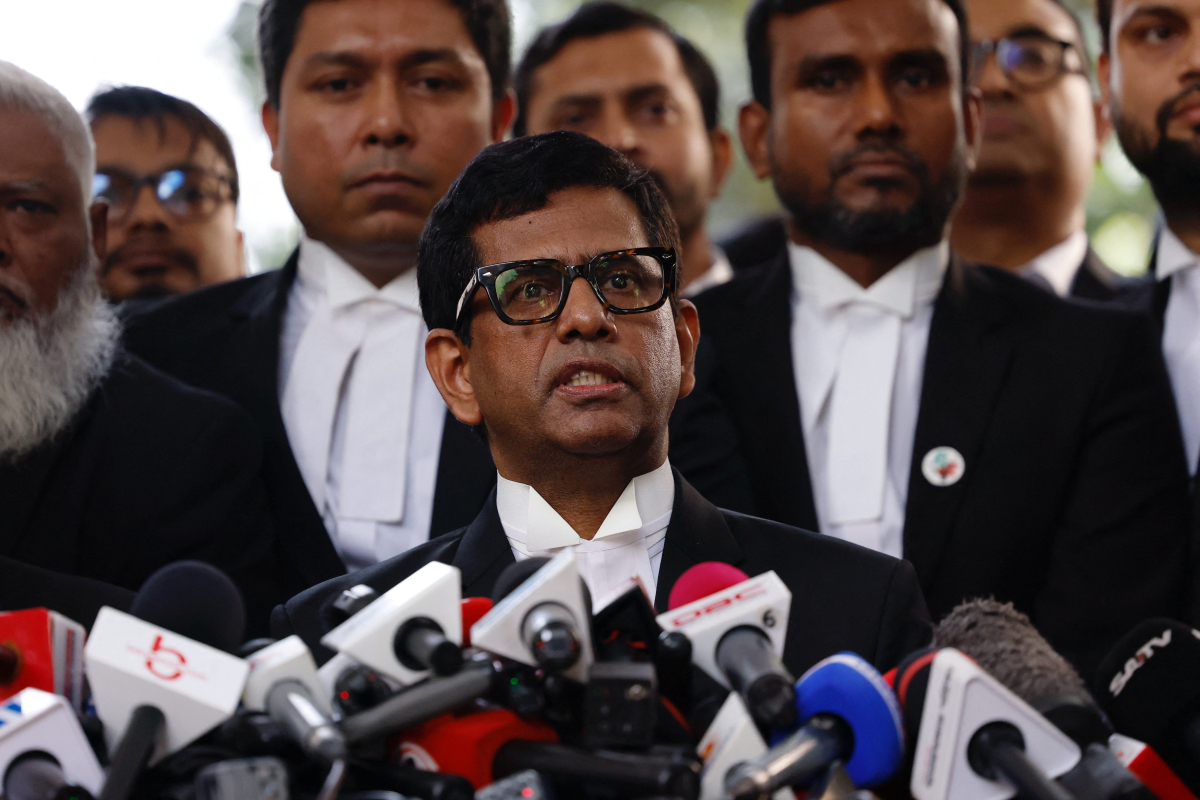
Hasina's spokesperson, Syed Mozammel Ali, argued that the government had a responsibility to facilitate her return, claiming her exile was unconstitutional.
The government rejects that position.
Although Hasina's Awami League remains banned and was excluded from February's general election, recent demonstrations suggest its supporters remain politically active.
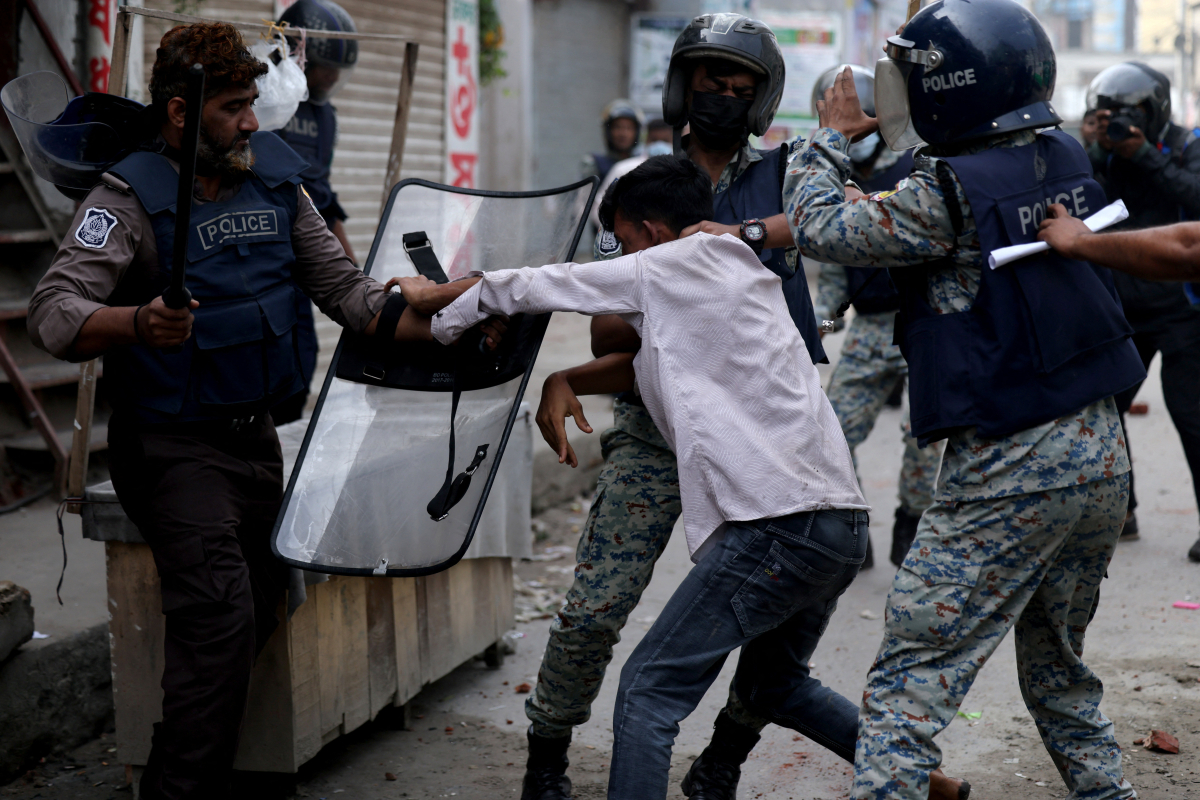
Protests intensified after Hasina applied for replacement identity and travel documents earlier this month, particularly in her ancestral district of Gopalganj.
The resulting violence killed two members of the ruling Bangladesh Nationalist Party (BNP), while the homes of two of its lawmakers were vandalised and set ablaze.
Government officials accused the Awami League of using unrest as a means of political survival.
Party supporters, however, argue that arrests and political pressure have failed to extinguish their movement.
Hasina has previously said she wants to surrender voluntarily before a court, hoping other party leaders and activists will eventually follow her example.
For Prime Minister Tarique Rahman, Hasina's proposed return comes at a particularly difficult moment.
Bangladesh is grappling with a severe measles outbreak, fuel and electricity shortages, rising living costs and industrial unrest.
Weeks of garment workers' protests have disrupted production in the country's largest export industry, prompting authorities to approve a 36 per cent increase in the minimum wage on Wednesday.
The Middle East conflict has compounded Bangladesh's economic difficulties.
According to Bangladesh Bank's October 2026 report, the country's crude petroleum import bill surged 118 per cent year-on-year to $510 million between July and September, up from $234 million during the same period in 2025.
In October, the prime minister's finance and planning adviser estimated that the conflict had cost Bangladesh an additional $4.12 billion in energy and fertiliser imports over seven months, according to local media reports.
The rising import bill adds pressure on public finances, foreign exchange reserves and domestic prices, complicating Bangladesh's economic recovery.
Against this backdrop, renewed confrontation between the country's rival political movements risks further instability.
Between political reconciliation and criminal accountability
Hasina's proposed return also confronts Bangladesh with an unresolved question of accountability for the violence that ended her government.
The United Nations estimates that as many as 1,400 people were killed during the 2024 unrest.
In November 2025, Bangladesh's International Crimes Tribunal sentenced Hasina to death in absentia for ordering the deadly crackdown. She denies the charges.
Humaiun Kobir, Bangladesh's minister of state for foreign affairs, told Reuters that Hasina could return only under the extradition treaty, “in handcuffs, and under strict surveillance”.
An adviser to the prime minister said the government intends to enforce the death sentence if she returns.
India, meanwhile, has declined to comment on her latest proposal. New Delhi previously confirmed it was examining Bangladesh's extradition request.
A date set, but a return far from certain
Hasina has now established a public deadline for her intended homecoming, but neither her travel arrangements nor the necessary documentation have been confirmed.
Her supporters see the prospect of her return as an opportunity to revive their political movement. The government views it as a matter of criminal accountability.
Fifty-five years after Bangladesh secured its independence, Victory Day could become a focal point for a renewed struggle over the country's political future.
















What is your opinion on this topic?
Leave the first comment