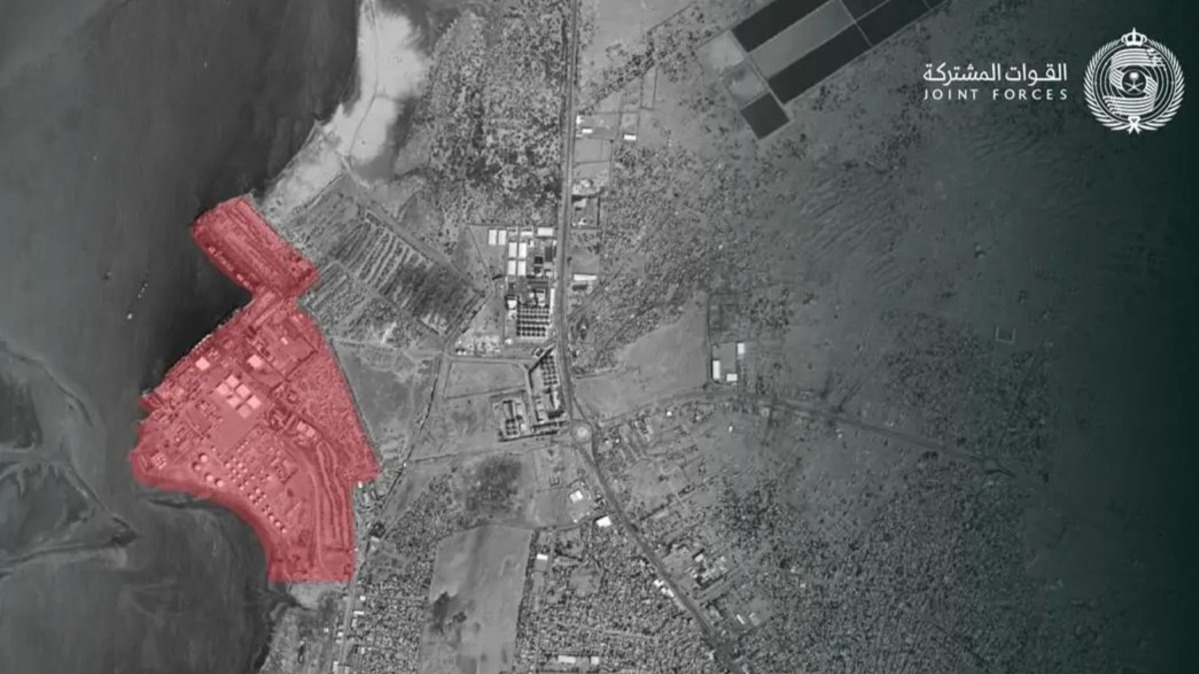
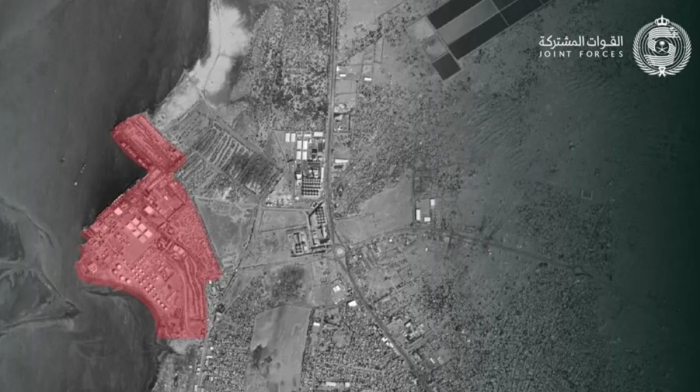
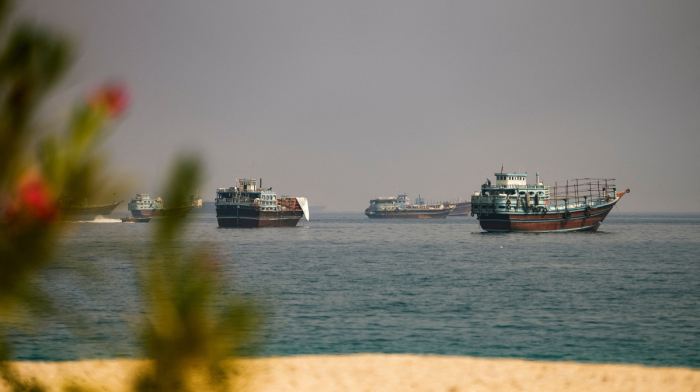
The Saudi-led coalition struck Yemen's Red Sea port of Hodeidah on Wednesday, 25 November, after the Houthis threatened to target Jeddah and other Saudi ports, escalating a confrontation increasingly focused on strategic infrastructure.
Houthi military spokesperson Yahya Saree urged port workers and nearby residents to evacuate immediately and called on shipping companies to withdraw their vessels if Saudi Arabia carried out its threatened attack on Hodeidah.
The coalition subsequently said it had targeted operational capabilities at Hodeidah and destroyed several targets in Yemen's Saada and Amran governorates.
The latest confrontation follows a Houthi drone strike on Riyadh's tallest tower on Tuesday, which injured at least 11 people, according to Saudi authorities.
The Saudi-led coalition vowed a firm response.
On 21 November, the coalition also reported intercepting three ballistic missiles fired towards Riyadh, following an earlier attack that damaged the headquarters of Saudi Arabia's sovereign wealth fund, the Public Investment Fund (PIF).
The Houthis have intensified attacks on Saudi airports, ports and oil facilities, while Saudi Arabia has stepped up airstrikes against Houthi targets in Yemen.
Why does Hodeidah matter?
Hodeidah is a critical gateway for food, fuel and humanitarian supplies entering Yemen.
According to a 2025 United Nations report, the port alone handles approximately 70 per cent of Yemen's commercial imports and 80 per cent of its humanitarian assistance.
In 2024, Hodeidah and the neighbouring ports of Salif and Ras Isa received approximately 4.87 million tonnes of food and 3.04 million tonnes of fuel.
Yemen imports around 90 per cent of its food, while an estimated 18.3 million people face acute food insecurity, according to a UN report published in June 2026.
Further disruption to port operations risks worsening the country's humanitarian crisis and restricting access to essential supplies.
The renewed fighting also threatens commercial shipping near the Bab el-Mandeb Strait, a strategic maritime passage connecting the Red Sea with the Gulf of Aden.
A conflict reignited
Saudi Arabia has supported Yemen's internationally recognised government for more than a decade against the Iran-aligned Houthis.
The conflict reached a stalemate in 2022 before fighting reignited in July 2026.
The Houthis have since seized Yemen's Red Sea coast, forcing Saudi-backed government forces to retreat towards their temporary capital, Aden.

















What is your opinion on this topic?
Leave the first comment