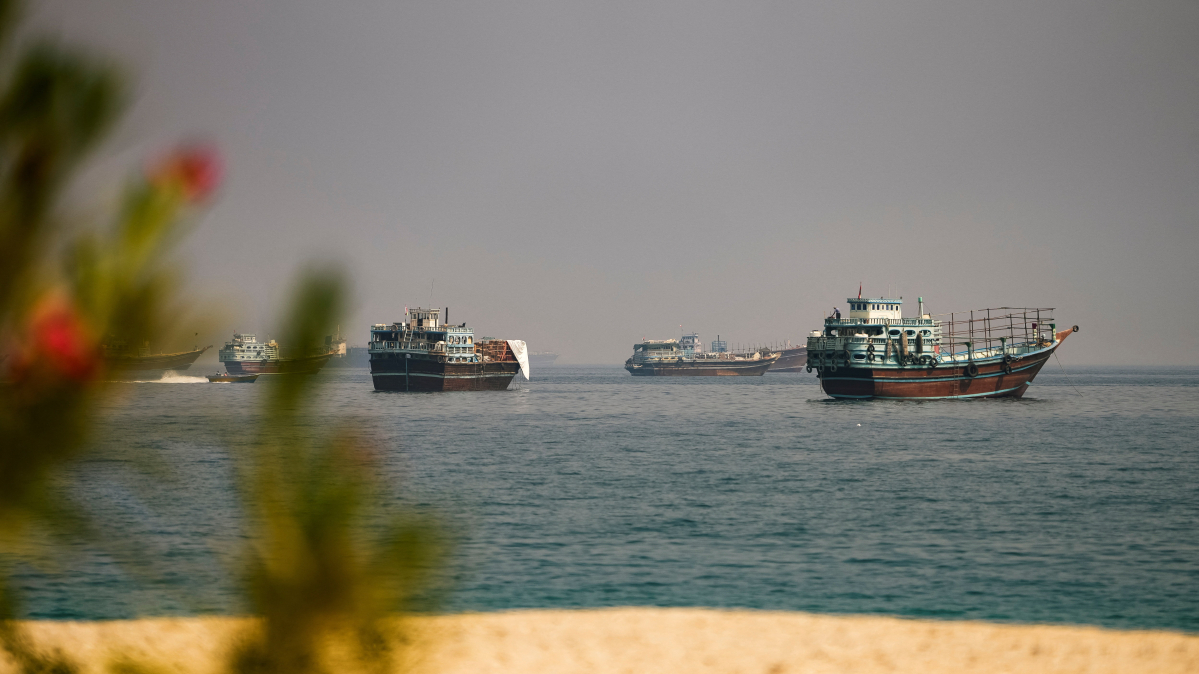
Disruption to shipping through the Strait of Hormuz is forcing Gulf states to rethink trade routes, with Saudi Arabia, the United Arab Emirates (UAE) and Oman increasingly relying on alternative ports and overland transport to keep goods and energy moving.
The shift began as an emergency response to the U.S.-Iran conflict but is now raising questions about the region's long-term dependence on one of the world's busiest maritime routes.
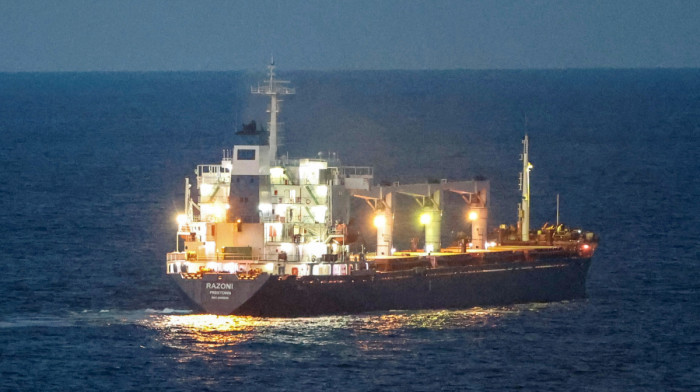
According to the Financial Times, 263 vessels passed through the Strait of Hormuz in the week ending 18 November, around 15 per cent fewer than the previous week. Oil tanker transits fell from 52 to 37.
Before the conflict began in February, around 135 vessels crossed the strait each day, carrying oil, gas and commercial goods.
Diverting cargo requires additional port capacity, trucks, storage facilities and customs arrangements, while some exports depend on specialised infrastructure that cannot be quickly replaced.
Saudi Arabia and the UAE expand export options
Saudi Arabia has one of the most established alternatives. Its East-West pipeline carries crude oil from production areas in the east to Yanbu on the Red Sea coast, allowing tankers to bypass Hormuz.
The pipeline's importance became clear after attacks in April. Saudi Arabia's Ministry of Energy said the damage had cut pumping capacity by around 700,000 barrels per day. Days later, operations were restored to about seven million barrels per day, the ministry said.
However, tankers travelling from Yanbu to some Asian markets remain exposed to security threats around the Bab al-Mandeb Strait.
The UAE has also developed an export route that bypasses Hormuz. Abu Dhabi's existing crude oil pipeline connects production areas to the export terminal at Fujairah, on the Gulf of Oman.
Abu Dhabi National Oil Company (ADNOC) is building a second pipeline intended to double the country's crude export capacity through Fujairah.
In May, ADNOC chief executive Sultan Ahmed Al Jaber said construction was around 50 per cent complete. The project was being accelerated, with commissioning expected in 2027.
Oman emerges as a key trade gateway
While pipelines offer alternative routes for oil exports, shipments of food, machinery, pharmaceuticals and industrial components still depend on ports, roads and functioning border crossings.
Oman's ports at Sohar and Salalah, alongside Fujairah and Khor Fakkan in the UAE, allow ships to bypass Hormuz. Cargo can then be transported by road to markets in the UAE, Saudi Arabia, Kuwait, Qatar and Bahrain.
In an operational update on 23 November, Maersk confirmed it was expanding combined sea and road transport services across Saudi Arabia, Kuwait, Bahrain, the UAE, Qatar and Iraq. Its network includes cargo moving through Salalah and Khor Fakkan, with onward road connections across the region.
However, the company also reported temporary suspensions of some overland cargo bookings, including shipments from the UAE and Qatar routed through Jeddah and Oman. Cargo movements from Salalah and Sohar towards Gulf destinations were also temporarily suspended.
Khor Fakkan, on the UAE's east coast, has faced congestion, limited berthing capacity and pressure on container storage facilities. Road traffic and longer truck waiting times have added to delays. Some containers have had to be transferred to another facility before continuing to their final destination.
Although Oman stands to benefit from increased regional trade, its ports face growing pressure on handling capacity, storage facilities and road connections.
Shipping costs climb
Maersk introduced an additional charge of $1,000 per container for shipments passing through the Strait of Hormuz, citing higher insurance premiums and risks to crews.
Its emergency freight rates stood at $1,800 for a 20-foot dry container, $3,000 for a 40-foot dry container and $3,800 for refrigerated, special and dangerous goods containers.
Manufacturers and retailers could pass these additional costs on to consumers through higher prices, while longer journeys and port congestion threaten to disrupt supply chains.
Gulf countries depend heavily on imported food, machinery and industrial supplies. Delays can affect supermarket deliveries, factory production, construction projects and distribution centres.
Long-term alternatives face limitations
In its November World Energy Outlook, the International Energy Agency said prolonged insecurity around Hormuz could encourage investment in additional pipelines and alternative export infrastructure.
However, such projects take years to plan, finance and build, and cannot fully replace the strait.
Liquefied natural gas (LNG) presents a particular challenge. Qatar is one of the world's largest LNG exporters, and its shipments depend on maritime access through the strait.
Unlike crude oil, LNG cannot be transported through existing oil pipelines, leaving Qatar reliant on maritime routes unless substantial investments are made in dedicated alternative infrastructure.
Even routes that bypass Hormuz are not immune to regional instability. Pipelines, export terminals and ports could become targets in a wider conflict, leaving Gulf trade exposed despite efforts to diversify.
















What is your opinion on this topic?
Leave the first comment