QatarEnergy is prepared to rapidly restore liquefied natural gas (LNG) production at its Ras Laffan complex once shipping routes through the Strait of Hormuz return to normal, according to a source familiar with the matter.
The source told Reuters that output from facilities unaffected by Iranian strikes could return to full capacity within a month. However, the main obstacle is not production itself but the ability to move cargo through the Strait of Hormuz.
"The problem will be how fast can we bring ships in and how fast we can load them after the strait opens," the source said. "It's more of a shipping and logistics problem than production."
Damage from Iranian strikes
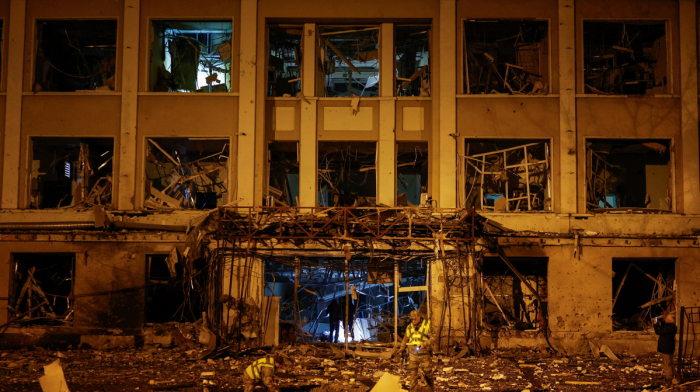
Iranian attacks earlier this year damaged two of Qatar's 14 LNG production trains and one of its two gas-to-liquids (GTL) facilities. According to QatarEnergy's chief executive, the damage removed around 17% of the country's LNG export capacity and could take years to fully repair.
As a result, some production facilities have remained idle throughout the conflict.
Shipping bottlenecks remain
Although the U.S. and Iran have reached a framework agreement aimed at ending the war and reopening the Strait of Hormuz, shipping activity remains limited.
Only a small number of LNG tankers have successfully exited the waterway since fighting began in late February. Shipping companies are still seeking assurances that the route is safe before resuming normal operations.
Industry participants remain particularly concerned about the clearance of naval mines and other security risks that emerged during the conflict.
Global energy markets watching closely
The Strait of Hormuz is one of the world's most important energy chokepoints, handling a significant share of global LNG and oil exports. Any prolonged disruption to traffic through the passage could continue to affect energy markets and maintain upward pressure on global gas prices.
While Qatar appears capable of restoring much of its LNG production relatively quickly, a full recovery in exports will depend on how quickly shipping traffic can safely return to normal.




















What is your opinion on this topic?
Leave the first comment