The United States is pushing to establish a formal deconfliction mechanism between Israel, Türkiye and Syria after Israeli airstrikes on a Syrian airbase raised concerns about the risk of a wider regional confrontation.
U.S. Special Envoy for Syria Tom Barrack said Washington is actively working on a framework designed to improve communication between the three countries and prevent military misunderstandings that could escalate into a larger crisis.
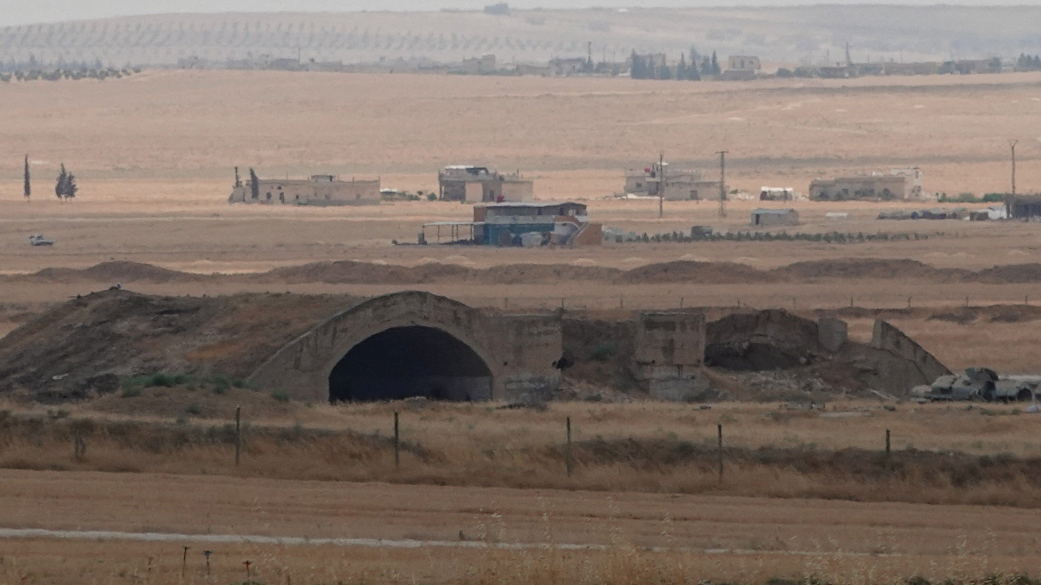
The effort follows Israeli strikes on the Abu al-Duhur airbase in northwestern Syria, a site located roughly 70 kilometres from the Turkish border.
Fears of unintended escalation
Speaking to Reuters, Barrack revealed that Türkiye had not received advance warning of the Israeli operation.
According to the U.S. envoy, Turkish authorities observed military aircraft moving toward their border and could have interpreted the situation as a potential threat requiring a response.
"Thankfully, calm heads were able to prevent the situation from deteriorating further," Barrack said.
His comments underline growing concerns in Washington that military activity in Syria increasingly involves multiple regional actors operating in close proximity, raising the possibility of miscalculation.
What is a deconfliction mechanism?
A deconfliction mechanism is typically a communication channel used by governments and militaries to share information about operations and avoid accidental clashes.
Such arrangements have previously been used in Syria by various international powers, including Russia and the United States, to reduce the risk of unintended confrontations.
Barrack said the U.S. already facilitates dialogue and information-sharing among Israel, Syria and Türkiye but believes a more structured framework is now needed.
"What is required is a more robust architecture with greater resources committed to it," he said.
He argued that investing in communication systems is significantly less costly than dealing with the consequences of military escalation.
Rising tensions over Syria
The proposal comes amid increasingly tense relations between Israel and Türkiye, both of which share borders with Syria and have become deeply involved in developments there.
Türkiye has emerged as one of Syrian President Ahmed al-Sharaa's closest allies since the overthrow of Bashar al-Assad in 2024. Ankara has provided political support, military assistance and training to Syrian government forces while helping rebuild state institutions and infrastructure.
Israel, meanwhile, has viewed Syria's new leadership with caution and has continued military operations inside the country.
For years, Israel has conducted strikes in Syria aimed at disrupting weapons transfers and limiting Iranian influence. Following Assad's removal, Israeli operations have continued against targets it considers security threats.
Barrack suggested the latest strikes may have been linked to concerns that Türkiye could increase its presence at the airbase in the future.
"The strikes reflected a perception, whether accurate or misplaced, that Türkiye might in the near future increase its presence at that base," he said.
Airbase targeted by multiple strikes
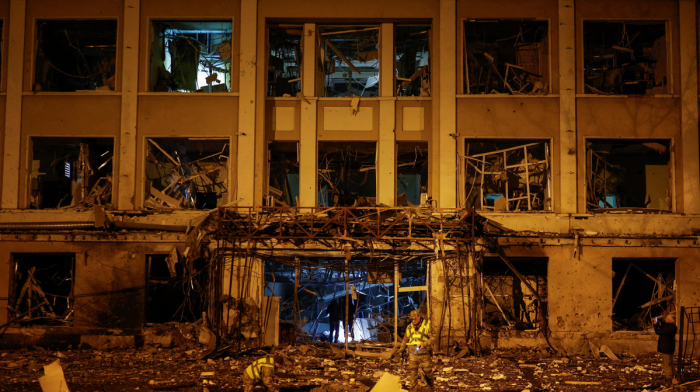
Syrian state media reported that Israeli aircraft carried out eight strikes on the Abu al-Duhur airbase, targeting the runway and storage facilities.
According to Syrian military sources and local residents, no casualties were reported.
The base has a complicated history. Once an important military installation, it ceased functioning as a dedicated air force facility in 2013 and changed hands several times during Syria's civil war.
The Israeli military has not commented publicly on the operation.
Diplomatic efforts continue
The latest incident comes despite ongoing contacts between Israel and Syria.
Since Syria's political transition, the two sides have held several rounds of discussions focused on border security and de-escalation. However, no comprehensive understanding has been reached.
Barrack said the recent strike highlighted the urgency of expanding those talks and creating new safeguards against future incidents.
"The priority now is to lower tensions and allow space for a more measured approach," he said.













What is your opinion on this topic?
Leave the first comment