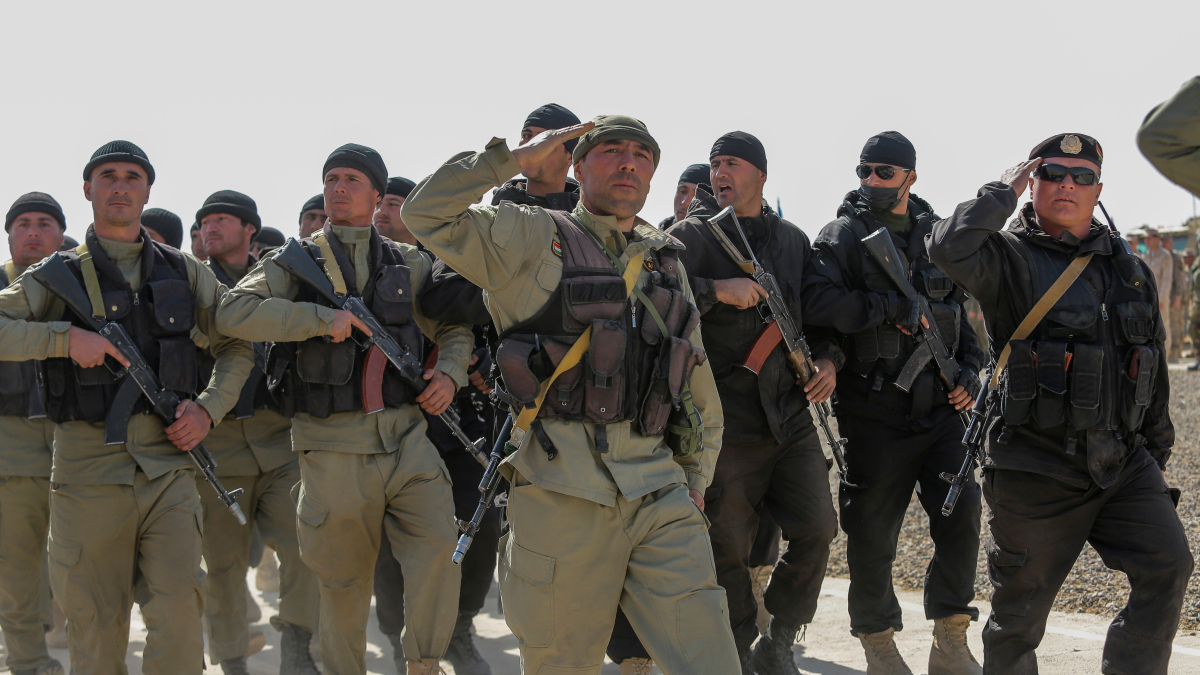
Tajikistan is urging regional allies to step up support for its border with Afghanistan following a series of deadly armed incidents. Despite building more than 80 new border outposts, Dushanbe says it needs further assistance to secure its southern frontier.
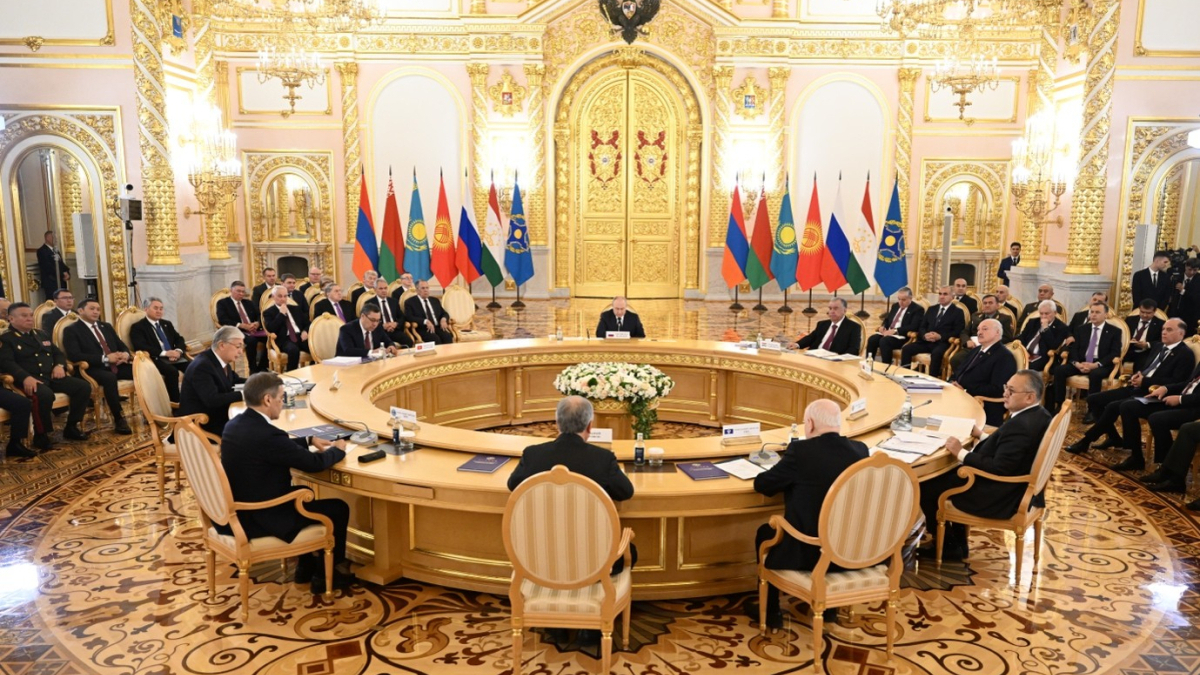
The appeal was made by Nasrullo Mahmadzoda, chairman of Tajikistan’s parliamentary committee on law and order, defence and security, at a conference in Moscow marking the 20th anniversary of the Collective Security Treaty Organisation (CSTO) Parliamentary Assembly.
He warned that instability in Afghanistan remains a concern for the wider region, particularly for Tajikistan, which shares around 1,400 kilometres of border with its southern neighbour. Much of the frontier runs through remote mountainous terrain, making surveillance and rapid responses to security threats particularly difficult.
Recent incidents have exposed the risks along the border. In November 2025, five Chinese nationals working in Tajikistan’s border areas were killed in two attacks launched from Afghan territory.
The following month, two Tajik border guards died in a confrontation with an armed group attempting to cross into the country. According to Tajikistan’s Drug Control Agency, seven armed clashes with Afghan drug traffickers were recorded in the first half of 2026, with more than 1.5 tonnes of drugs seized.
Broader security challenges
Security concerns extend beyond these incidents. Afghanistan’s northern provinces have seen continued clashes involving Taliban forces and local armed groups, according to conflict-monitoring organisation ACLED. The presence of extremist organisations, including the Afghan branch of Islamic State, has added to concerns about the potential for violence to spread across borders.
The Taliban authorities insist they have the situation under control and will not allow Afghan territory to be used to threaten neighbouring countries. For Tajikistan, however, armed incursions and cross-border drug trafficking remain pressing challenges.
Dushanbe has responded by expanding its border infrastructure.
Mahmadzoda said more than 80 new outposts, equipped with modern technology and essential facilities, had been built over the past two to three years. But securing such a long and difficult frontier requires continued investment. Tajikistan is now looking to its CSTO partners to deliver on commitments made in November 2024, when the organisation approved a joint border security programme at a summit in Astana chaired by Kazakhstan.
The programme runs from 2025 to 2030 and provides military equipment, improved border infrastructure, technical upgrades and personnel training. It does not require other CSTO members to station troops along the Tajik-Afghan border. Instead, the focus is on strengthening Tajikistan’s own border forces through coordinated assistance.
The first deliveries may now be approaching.
In October, CSTO Secretary General Taalatbek Masadykov said weapons and military equipment from Kazakhstan, Kyrgyzstan, Russia and Belarus were expected to arrive before the end of 2026. Tajikistan had already selected suppliers and agreed on the value of the orders, although details of the equipment and quantities involved were not disclosed. Dushanbe is now pressing its allies to ensure those commitments are met on schedule.
Read more:














What is your opinion on this topic?
Leave the first comment