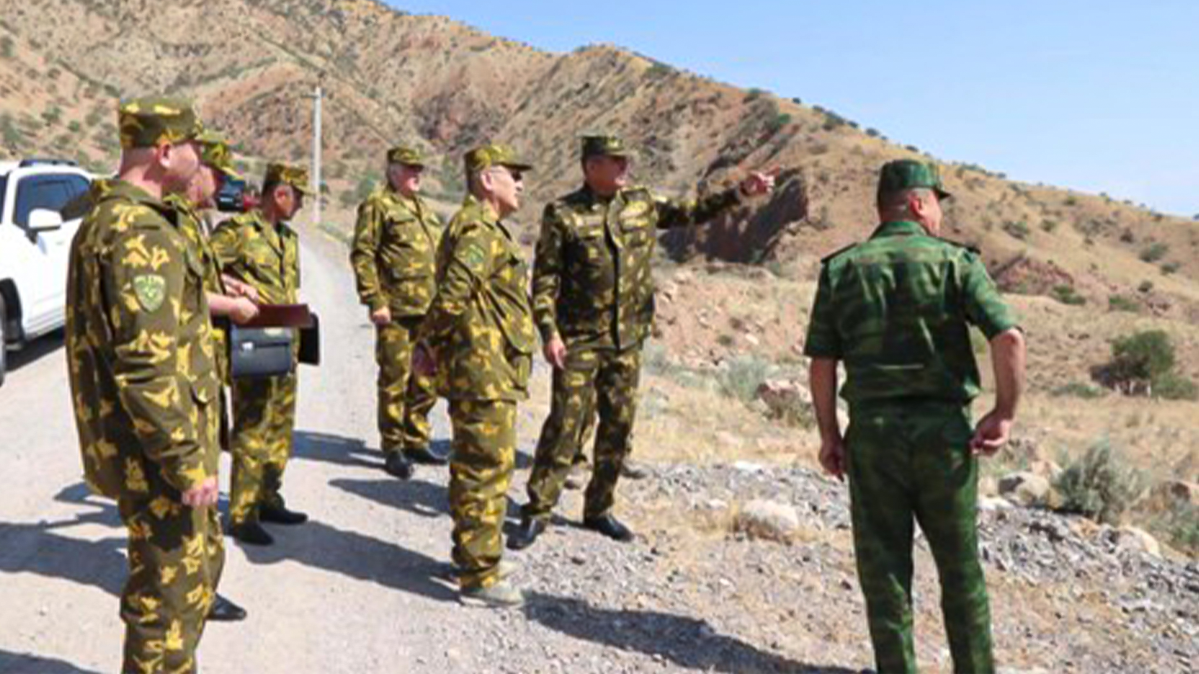
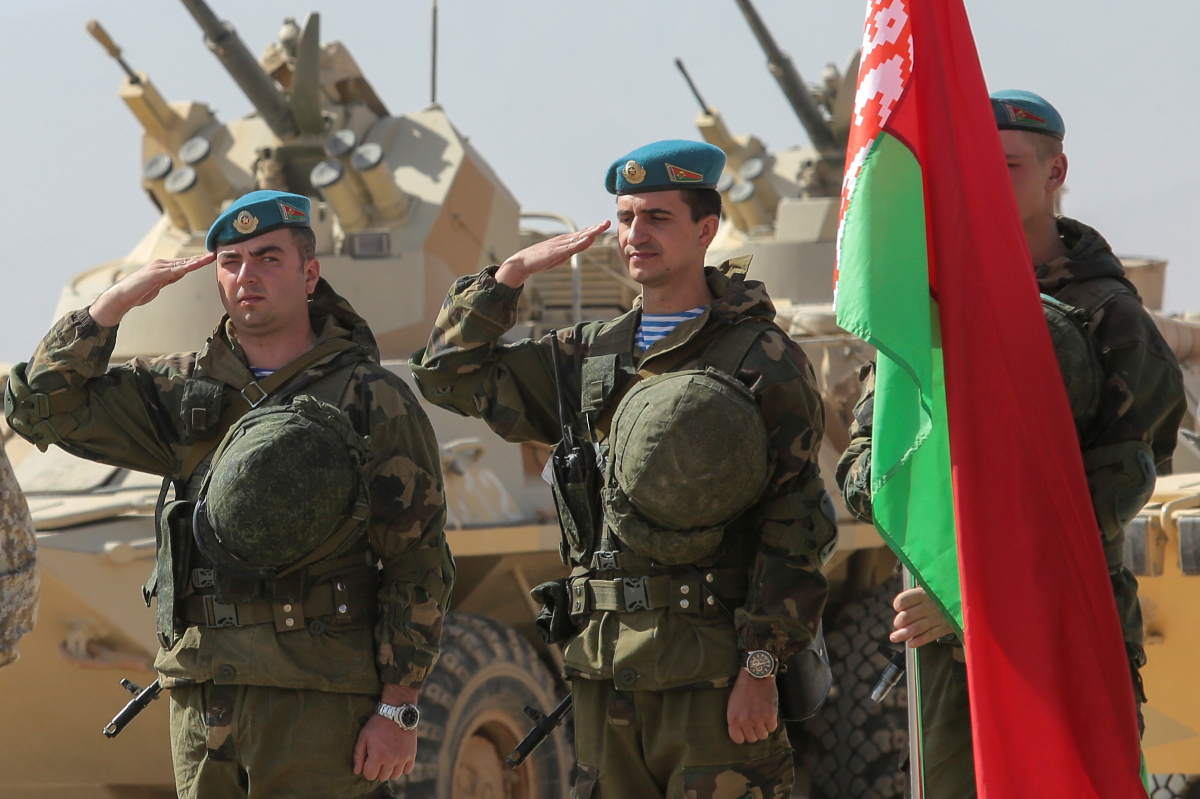
Kazakhstan, Kyrgyzstan, Russia and Belarus are preparing to supply Tajikistan with weapons and military equipment by the end of 2026, as a series of violent incidents raises security concerns along its border with Afghanistan, according to the Collective Security Treaty Organization (CSTO).
The announcement marks a new stage in a five-year programme approved by CSTO leaders in Astana in November 2024. Secretary General Taalatbek Masadykov said Tajik authorities have completed the selection of suppliers and agreed on the value of their orders. Contracts are now being finalised, with the first shipments expected before the end of the year.
The supplies to Tajikistan will include weapons, military hardware and technical equipment for border protection, although the total cost and quantities have not been disclosed. The programme is scheduled to run until 2029.
Securing a shared border
Tajikistan shares a border of more than 1,300 kilometres with Afghanistan, much of it running through remote mountainous terrain and along the Panj River.
Securing this frontier has long been complicated by drug trafficking and the activities of armed groups. The risks became particularly apparent in November 2025, when five Chinese nationals were killed in two separate attacks launched from Afghan territory.
Further violence followed in January 2026, when Tajik border guards killed three suspected drug traffickers during an armed confrontation in Khatlon Province, seizing weapons, ammunition and narcotics. The incidents have heightened concerns about security not only for border communities but also for foreign workers and economic projects in the region.
The situation has also exposed tensions between Dushanbe and Kabul over responsibility for cross-border security. Afghanistan’s northeastern Badakhshan province has experienced armed clashes involving Taliban forces and their opponents, adding to concerns about instability near Tajik territory. The Taliban authorities, however, reject suggestions that Afghanistan poses a threat to its neighbours.
In August, spokesman Zabihullah Mujahid described the CSTO’s concerns as unfounded, insisting that Afghan security forces maintained control of the country’s borders and expressing readiness to discuss security issues directly with neighbouring states.
A test for collective security
For the CSTO, Tajikistan’s southern frontier has become a test of its collective security commitments.
The Russia-led alliance traces its origins to a treaty signed in 1992 and was formally established as an international organisation in 2002. It comprises Russia, Belarus, Kazakhstan, Kyrgyzstan, Tajikistan and Armenia, although Yerevan has suspended its participation following disagreements over the organisation’s response to its security concerns.
The alliance operates on the principle of collective defence and maintains multinational rapid reaction forces, which expanded to approximately 30,000 personnel in 2024.
Speaking at a regional security conference in Moscow in October, Masadykov acknowledged progress by the Taliban authorities in consolidating control over Afghanistan, but warned that risks persist in certain areas, particularly those linked to terrorism, drug trafficking and armed violence.
Despite the military nature of the programme to secure Tajikistan's border, Masadykov stressed that the planned supplies were not directed against Afghanistan or its population. The CSTO maintains that reinforcing Tajikistan’s border is a preventive measure intended to reduce risks to its member states rather than escalate tensions with Kabul.
Read more:












What is your opinion on this topic?
Leave the first comment