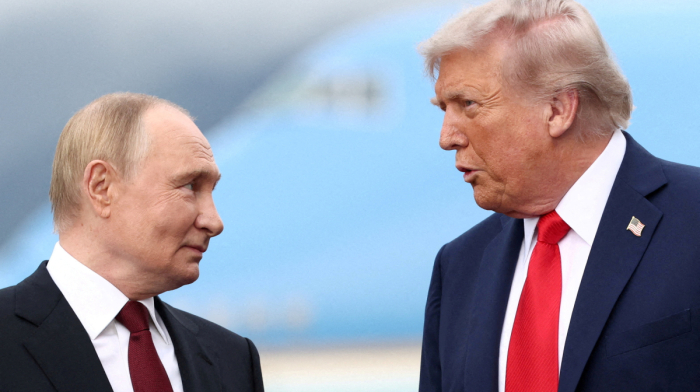
South Korea and the United States are scaling back their annual joint military exercises following an order from U.S. President Donald Trump to substantially reduce American participation.
The Ulchi Freedom Shield drills, which began on 17 August, will now end on 21 August rather than running until the 27th. Some field manoeuvres will also be reduced, while other live-training activities will be cancelled or replaced with computer simulations.
The allies said the changes would preserve essential military readiness.
Second phase reportedly cancelled
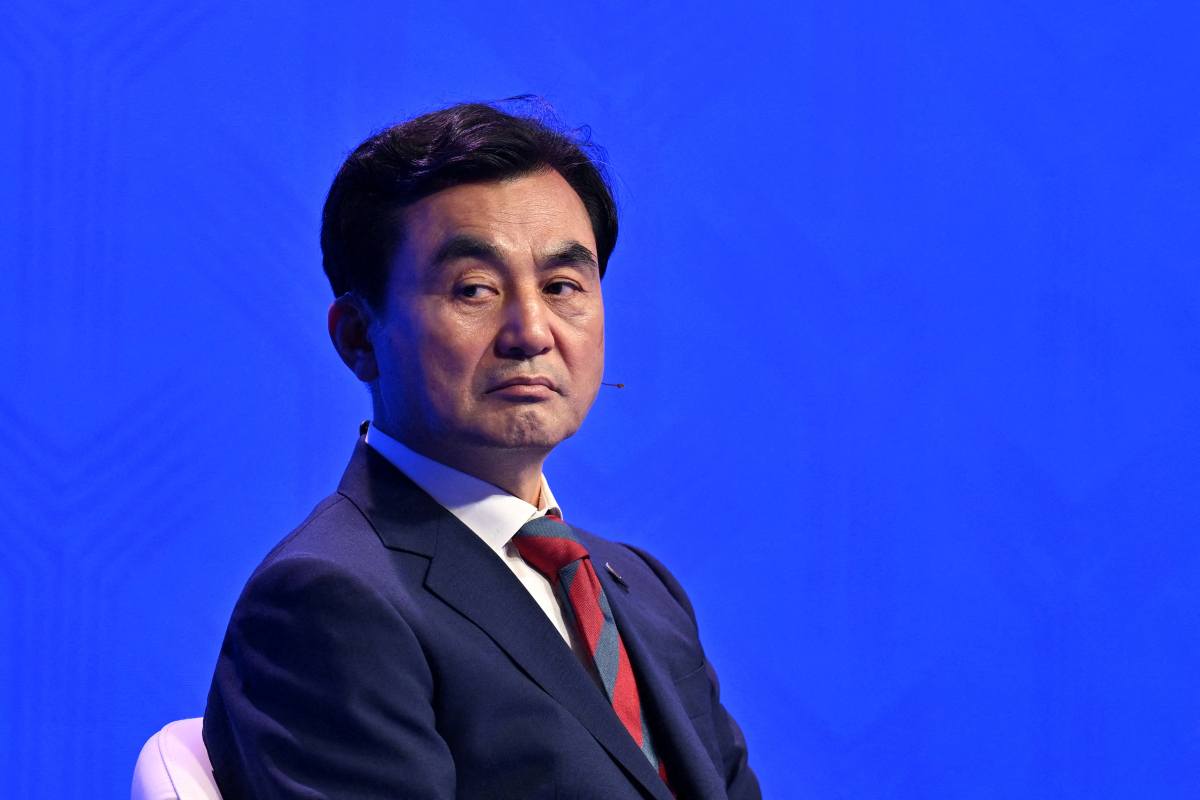
South Korean Defence Minister Ahn Gyu-back said the allies were moving to cancel the second phase of the exercise, which involves counterattack operations, according to South Korean media.
Despite the changes, a Pentagon official said the adjustments would not undermine U.S. training objectives.
South Korean officials said the decision was being coordinated closely with Washington. National Security Adviser Wi Sung-lac said Seoul would “continue such coordination in the future”.
Wider tensions behind the decision
The scale-back has raised questions about coordination between the allies. South Korea's Foreign Minister Cho Hyun told a parliamentary hearing in Seoul on Wednesday that neither South Korean nor U.S. officials had been informed in advance of Trump's order.
“Our government officials, of course, and the U.S. government officials hadn't known about it in advance,” Cho said when asked whether Seoul had been notified of the planned reduction.
Cho also suggested that Trump's message appeared to carry pressure for South Korea to become more involved in the war in Iran, linking the decision on the joint drills to wider disagreements between Washington and Seoul.
Trump has criticised South Korea for not doing more to support U.S. military operations in Iran, while Seoul has said it is considering “practical contributions” within the limits of its defence posture and domestic law.
The dispute adds another layer to an already complex alliance, as Washington seeks greater support from Seoul while South Korea remains focused on maintaining military readiness against North Korea.
North Korea condemns exercises
Pyongyang criticised the drills again on Wednesday, calling the U.S. and South Korea “warmongers” and accusing them of increasing tensions on the Korean peninsula.
However, North Korea did not directly address Trump's order to scale back the exercises. Analysts said the relatively restrained response could indicate that Pyongyang wants to keep diplomatic options open.
The timing is significant, with Chinese Foreign Minister Wang Yi visiting Seoul this week for talks expected to include regional security and developments on the Korean peninsula.
Trump cites relationship with Kim Jong Un
The move to shorten the joint military drills follows Trump's decision to reduce the U.S. role in the exercises, with the president pointing to his “very good relationship” with North Korean leader Kim Jong Un.
Trump has met Kim three times and has indicated that he wants to reopen direct diplomacy with Pyongyang. Reports suggest his administration is exploring the possibility of another meeting with the North Korean leader later this year.
The exercises have long been a source of tension with North Korea, which routinely describes them as preparations for an invasion. Washington and Seoul maintain that the drills are defensive and necessary to ensure their forces remain prepared to respond to a potential attack.
Read more about South Korea:











What is your opinion on this topic?
Leave the first comment