European leaders will warn U.S. President Donald Trump at Tuesday’s G7 summit that a superficial interim Iran deal risks entrenching Tehran's nuclear and ballistic missile programmes, while also pressing him to rethink his Ukraine strategy.
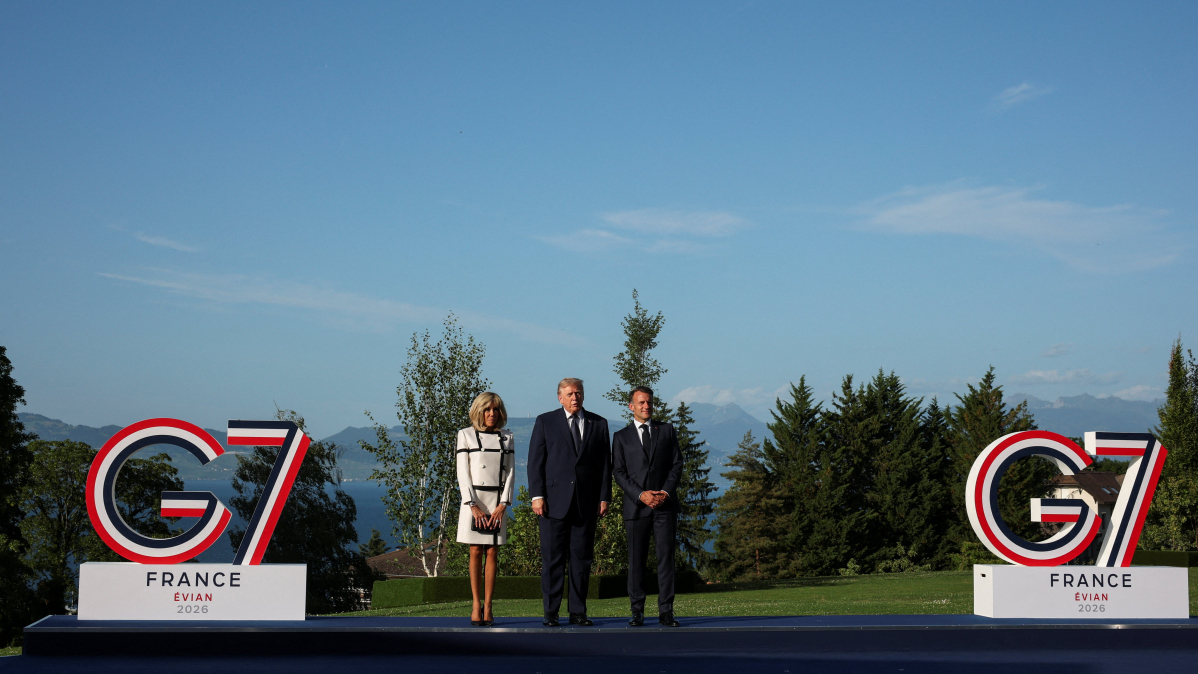
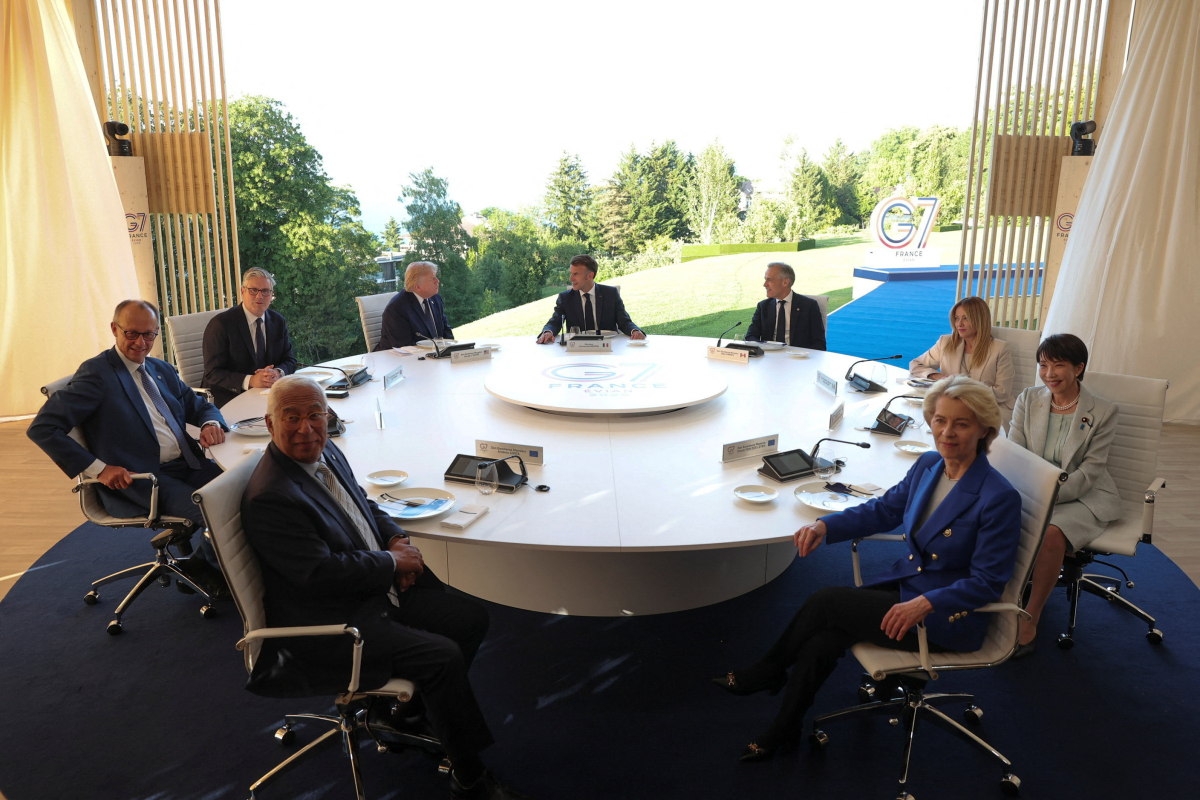
The 15–17 June gathering in Évian-les-Bains, on the shores of Lake Geneva, brings together the leaders of France, Britain, Canada, Germany, Italy, Japan and the United States, alongside the European Union.
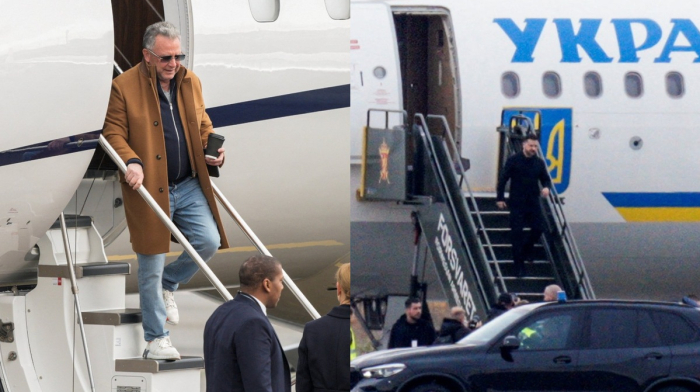
Trump arrived in France on Monday evening buoyed after Washington and Tehran agreed a preliminary deal to end the wider conflict, with a formal signing targeted for Friday.
"The Iran deal will bring a lot of success," Trump said shortly after he arrived in Évian-les-Bains.
French President Emmanuel Macron said the priority was to ensure there is a "solid, serious agreement that is finalised."
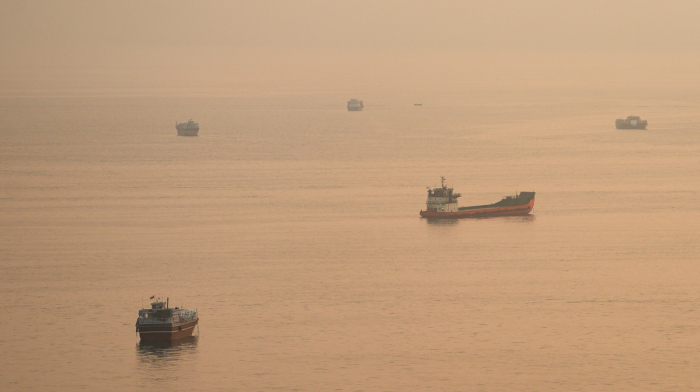
He said a Tuesday lunch session would focus on the safe reopening of the Strait of Hormuz, including a possible Franco-British-led maritime mission and identifying alternative energy routes bypassing the waterway. Trump said the strait would be "completely open" on Friday.
Leaders from the United Arab Emirates, Qatar and Egypt will attend Tuesday's talks. They are not expected to get into detailed discussions on Iran's nuclear programme, but may outline their expectations, diplomats said.
The interim deal should open a 60-day window for complex technical negotiations that would include the fate of Iran's highly enriched uranium and sanctions lifting.
However, European allies fear an inexperienced U.S. negotiating team may fail to secure a robust nuclear agreement or address Iran’s ballistic missile programme in the next phase, risking a prolonged standoff.
France, Britain and Germany want a role shaping the coming talks after being sidelined in recent months.
The three countries first engaged Iran on its nuclear programme in 2003 and later worked with then-U.S. President Barack Obama to secure a 2015 deal in exchange for sanctions relief. Trump has been disparaging of that accord, which he pulled the U.S. out of during his first presidency.
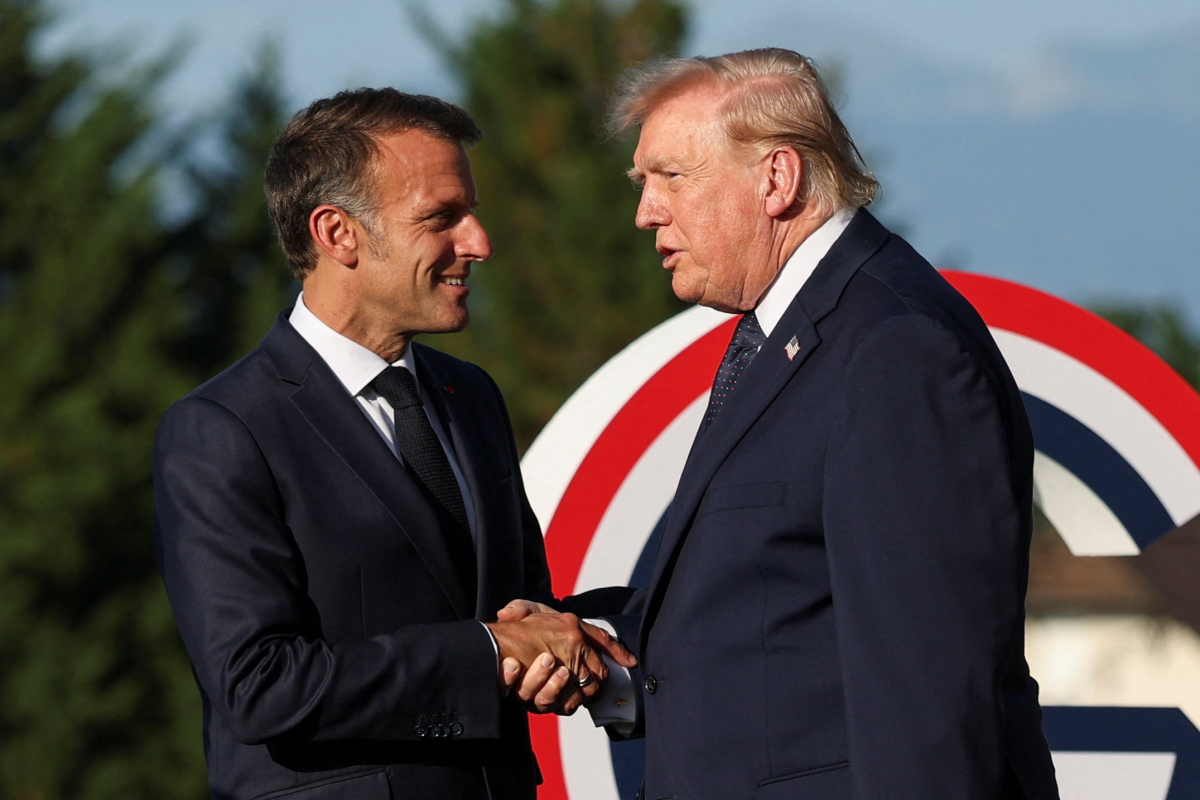
"It's not like the Obama document, that was a terrible document," Trump said of his deal before going into a bilateral meeting with Macron.
Seeking reset on Russia-Ukraine talks
European diplomats also see the summit as an opportunity to convince Trump that past U.S. proposals for a deal to end the fighting in Ukraine have been too favourable to Moscow.
European nations want to signal that they are willing to engage in talks with President Vladimir Putin while tightening sanctions on Russia and boosting military support for Ukraine, emphasising that it is Moscow, not Kyiv, that is blocking progress.
Trump said he thought Putin and Ukrainian President Volodymyr Zelenskiy were "open to do something about the war." Zelenskyy will take part in the first session of the day dedicated to "building peace in Ukraine" and may talk separately with Trump.
With negotiations stalled, Zelenskyy is pushing for renewed momentum and a greater European role. He said on Monday he had offered to meet Putin at the G7 summit for talks to end the four-year war, but that Putin was not ready to speak.
"Ukraine is holding the front line and even partially regaining territory. Ukraine has developed the capability to strike strategic targets deep inside Russia. And Ukraine has become a world-leading producer of cutting-edge military equipment," European Commission President Ursula von der Leyen told reporters in Evian.
Zelenskyy frets that the conflict in Iran has diverted U.S. attention. Meanwhile, dynamics on the battlefield have shifted, with Ukrainian drones striking deeper into Russian territory to cut battlefield supply lines and hobble energy infrastructure.












What is your opinion on this topic?
Leave the first comment