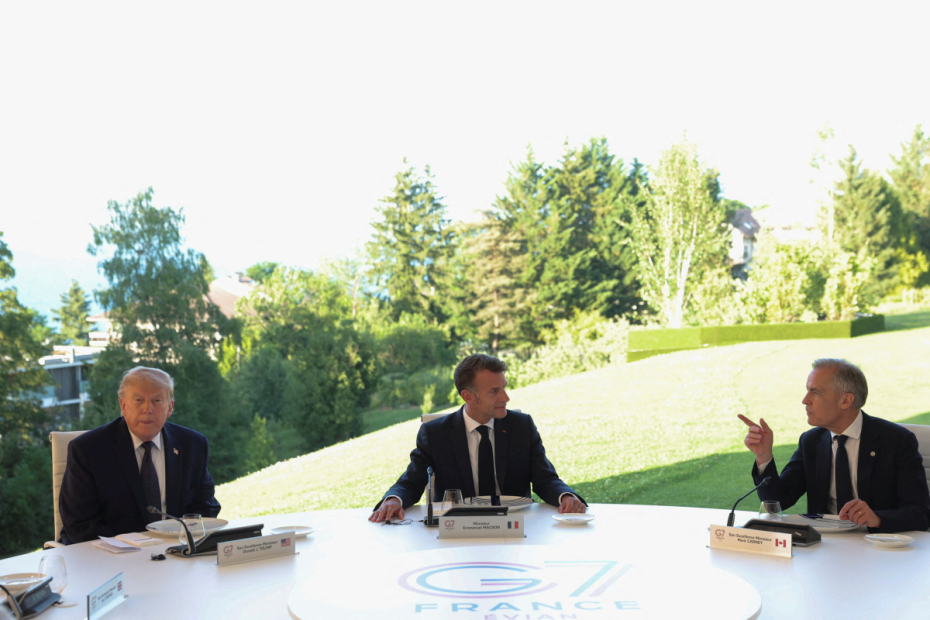
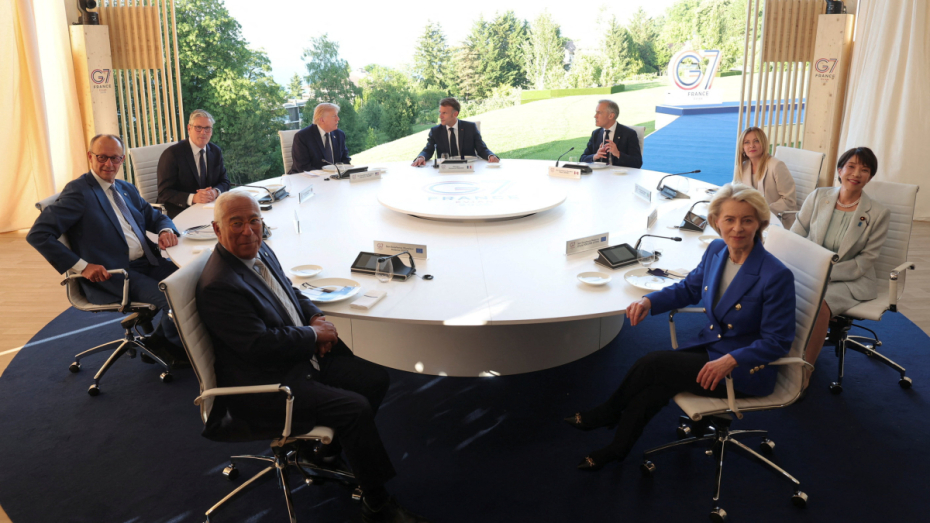
The first day of the Group of Seven (G7) summit in Évian-les-Bains, France, was dominated by discussions on the Middle East, Ukraine and the global economy, as leaders grappled with multiple crises that have reshaped the international landscape.
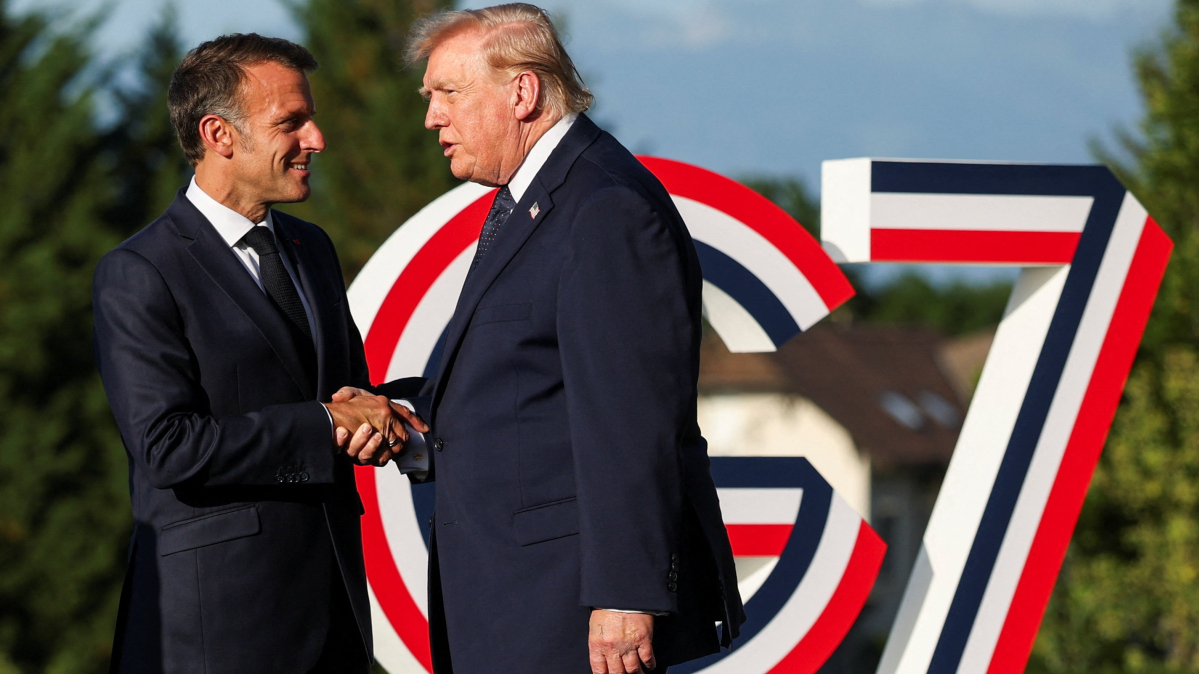
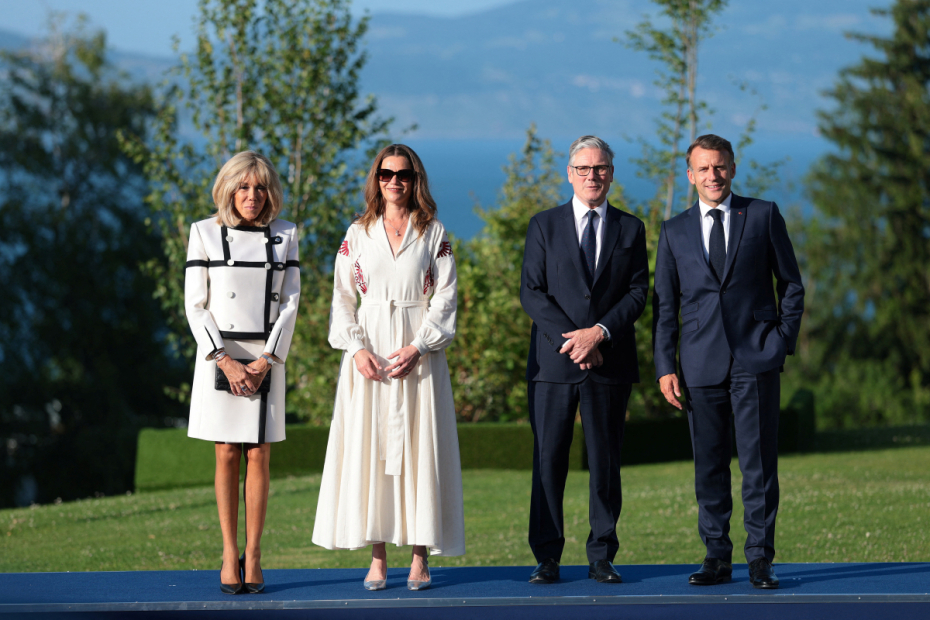
French President Emmanuel Macron welcomed leaders from the United States, the United Kingdom, Germany, Italy, Japan and Canada, alongside invited partners including India, Brazil, South Korea and Ukraine.
The summit comes at a time of growing geopolitical uncertainty and mounting economic challenges, with leaders attempting to find common ground on some of the world's most pressing issues.
Middle East crisis takes centre stage
The situation in the Middle East quickly emerged as the most urgent item on the agenda following the recently announced agreement between the United States and Iran aimed at ending hostilities.
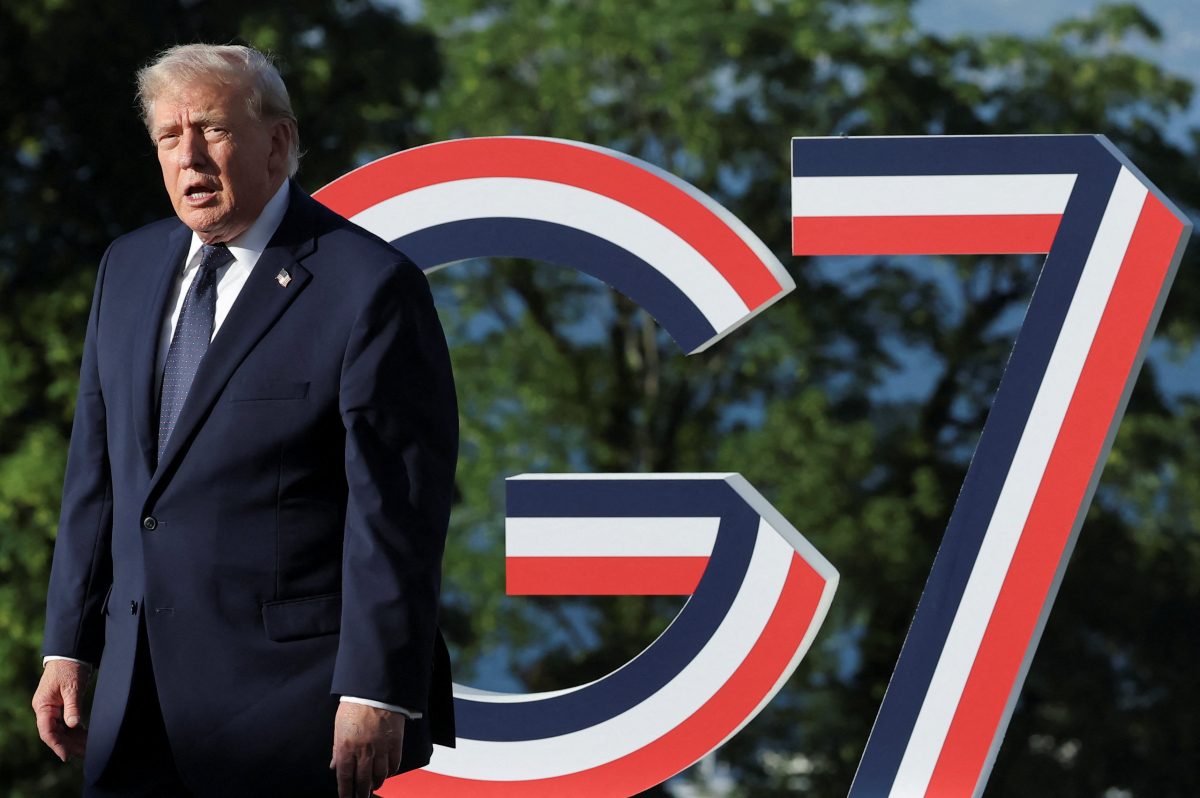
U.S. President Donald Trump arrived at the summit promoting the deal as a breakthrough that could bring stability to the region and help restore the free flow of oil through the Strait of Hormuz, one of the world's most important energy corridors.
European leaders welcomed signs of de-escalation but sought greater clarity on the details of the agreement and Iran's future commitments regarding its nuclear programme.
The G7 also discussed the potential implications for global energy markets and concerns about further disruptions to oil supplies.
Ukraine remains high on the agenda
Despite the focus on the Middle East, support for Ukraine remained one of the summit's central themes.
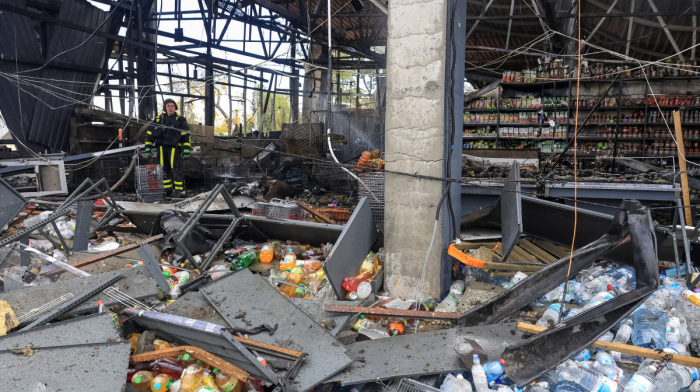
Ukrainian President Volodymyr Zelenskyy attended the gathering as an invited guest amidst a fresh wave of Russian attacks on Kyiv, including damage to the UNESCO-listed Kyiv Pechersk Lavra monastery.
Zelenskyy urged leaders to maintain military and financial assistance and renewed his call for direct peace talks with Russian President Vladimir Putin. European leaders also discussed ways to increase pressure on Moscow, including additional sanctions and measures targeting Russia's energy revenues.
The discussions highlighted the continued determination among Western allies to support Ukraine, even as attention has increasingly shifted to developments in the Middle East.
Trade and economic concerns return to the forefront
Economic issues featured prominently during the opening day, with leaders expressing concerns over slowing global growth, supply chain vulnerabilities and dependence on Chinese critical minerals.
The G7 discussed the need to diversify supply chains and reduce reliance on single suppliers of strategic materials essential for advanced technologies and the energy transition.
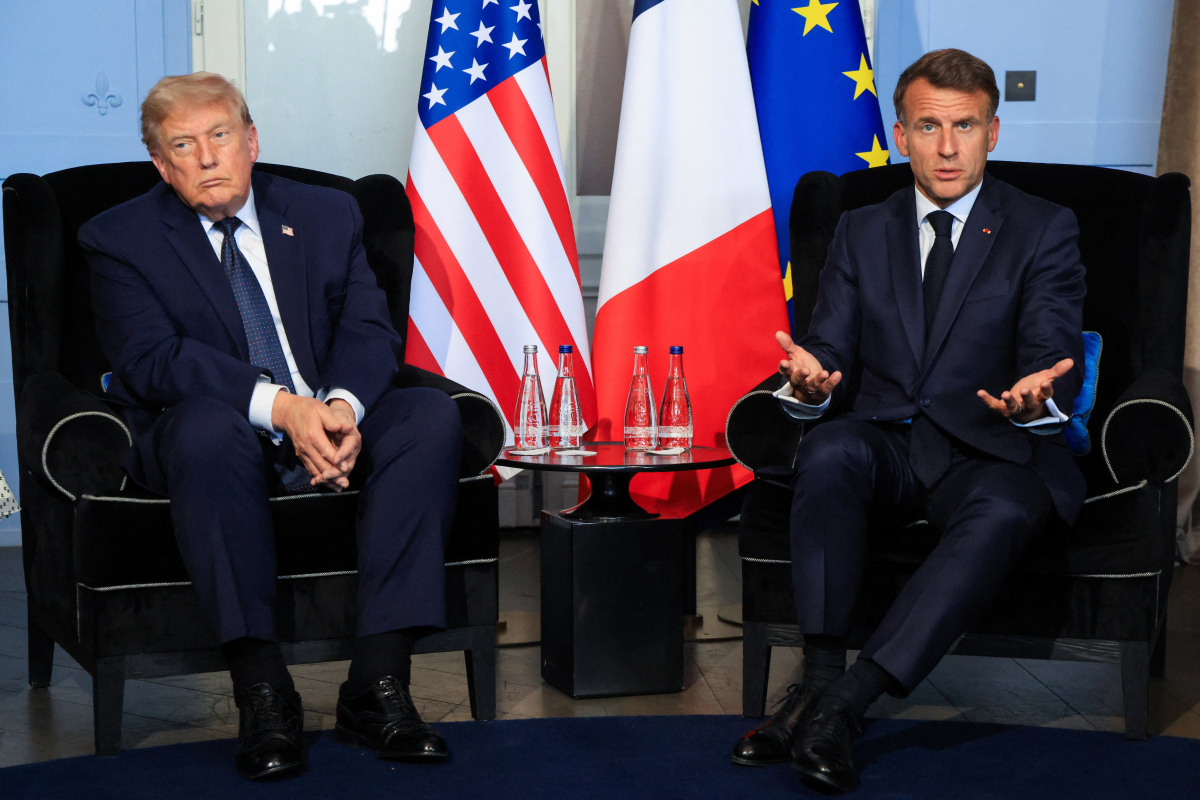
Trade tensions also resurfaced after President Trump threatened France with steep tariffs on wine in response to its digital tax on major American technology companies. The issue underscored lingering divisions within the group over trade policy and economic relations.
President Macron sought to emphasise the importance of maintaining G7 unity and avoiding protectionist measures that could further weaken the global economy.
Artificial intelligence and critical minerals
Beyond immediate geopolitical crises, leaders began discussions on long-term challenges such as artificial intelligence, technological competition and access to critical minerals.
The summit is expected to focus on strengthening cooperation on AI governance, ensuring online safety and developing more resilient supply chains for the resources needed in emerging technologies and clean energy industries.
Macron's delicate balancing act
As host, Macron has sought to steer the summit through an increasingly fragmented international environment.
The French president has attempted to keep the focus on areas where consensus remains possible, while avoiding issues that could deepen divisions among member states. Climate change, which featured prominently at previous summits, has taken a less central role this year as leaders concentrate on security and economic concerns.
What Comes Next?
The second day of the summit is expected to focus on:
- Continued support for Ukraine
- The implementation and implications of the U.S.-Iran agreement
- Global economic growth and energy security
- Cooperation on artificial intelligence and critical minerals
- Engagement with partner countries from the Global South.
Although leaders projected an image of unity on the opening day, significant differences remain over trade, global security and how to respond to rapidly changing geopolitical challenges. Whether the summit produces concrete agreements or merely broad statements of intent will become clearer as discussions continue.













What is your opinion on this topic?
Leave the first comment